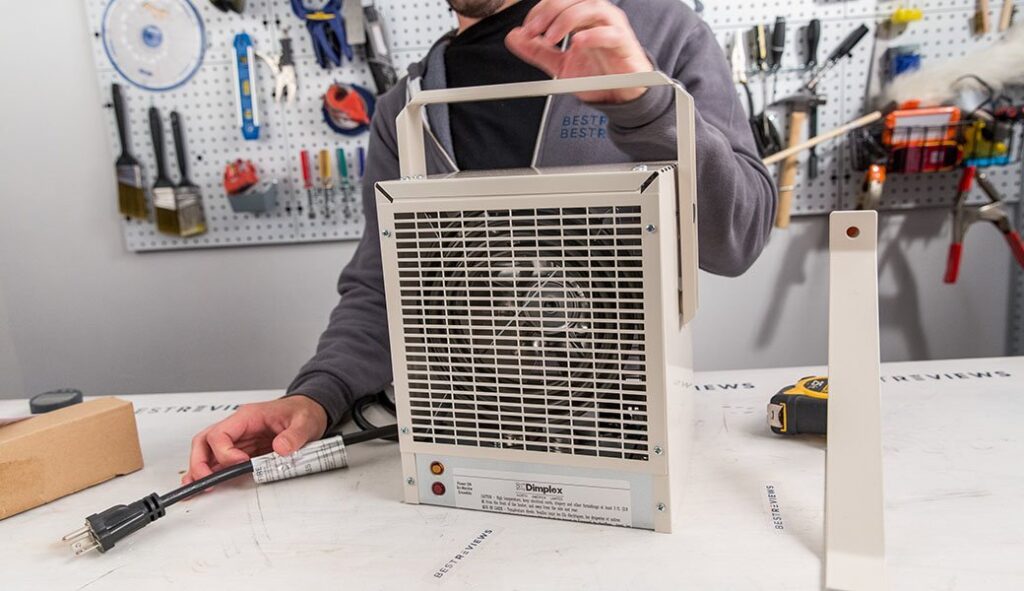
Best garage heaters deserve careful consideration. In automotive spaces, heat efficiency and safety trump hype. Choosing the right heater for a shop or home garage means balancing warmth with energy use, reliability and practicality.
In winter, a well-placed heater keeps tools, fluids and people comfortable, which speeds up workflows and reduces the risk of cold-related issues. Cold temperatures complicate paint curing, rust prevention and battery service. Myths persist—some say any heater will do, others claim high wattage guarantees instant warmth. The reality is more nuanced: effective heating starts with space size, insulation, and a safety-minded approach.
What You Get
Garage heater options typically span electric infrared panels, portable ceramic heaters, forced-air units and fuel-fired models using propane or natural gas. Infrared radiants warm people and objects directly, which is handy for quick comfort in a busy shop. Convection heaters push warm air to raise the room temperature more evenly but take longer to feel the effect. Fuel-fired units can move heat across larger spaces but require ventilation, fuel supply and proper exhaust safety.
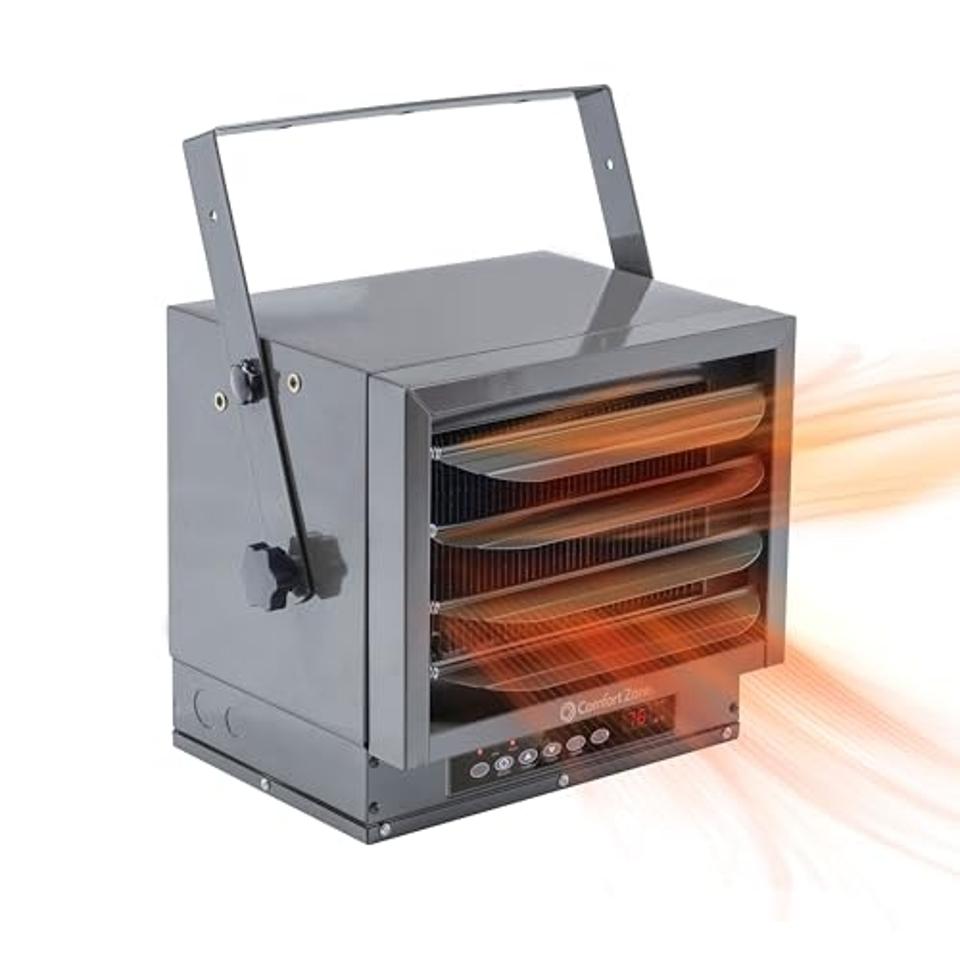
Configuration changes what you can safely install and how much heat you can expect to produce. Portable electric heaters are affordable, easy to move and simple to store, but they rely on smaller outputs and frequent repositioning. Hard-wired units offer larger BTU capacity and better thermostatic control, but need wiring and possibly a dedicated circuit. Gas and propane systems deliver sustained warmth in bigger spaces, yet demand venting, regular maintenance and CO monitoring.
Performance and Efficiency
Performance depends on heat type and garage size. Infrared radiants deliver focused warmth to people and tools, with quick feel-good heat, while convection units circulate air to raise the overall temperature. Efficiency improves when you size the unit to the space, seal gaps and maintain the system. In a typical 400–600 sq ft garage, a well-chosen setup can keep the space comfortable with modest energy use.
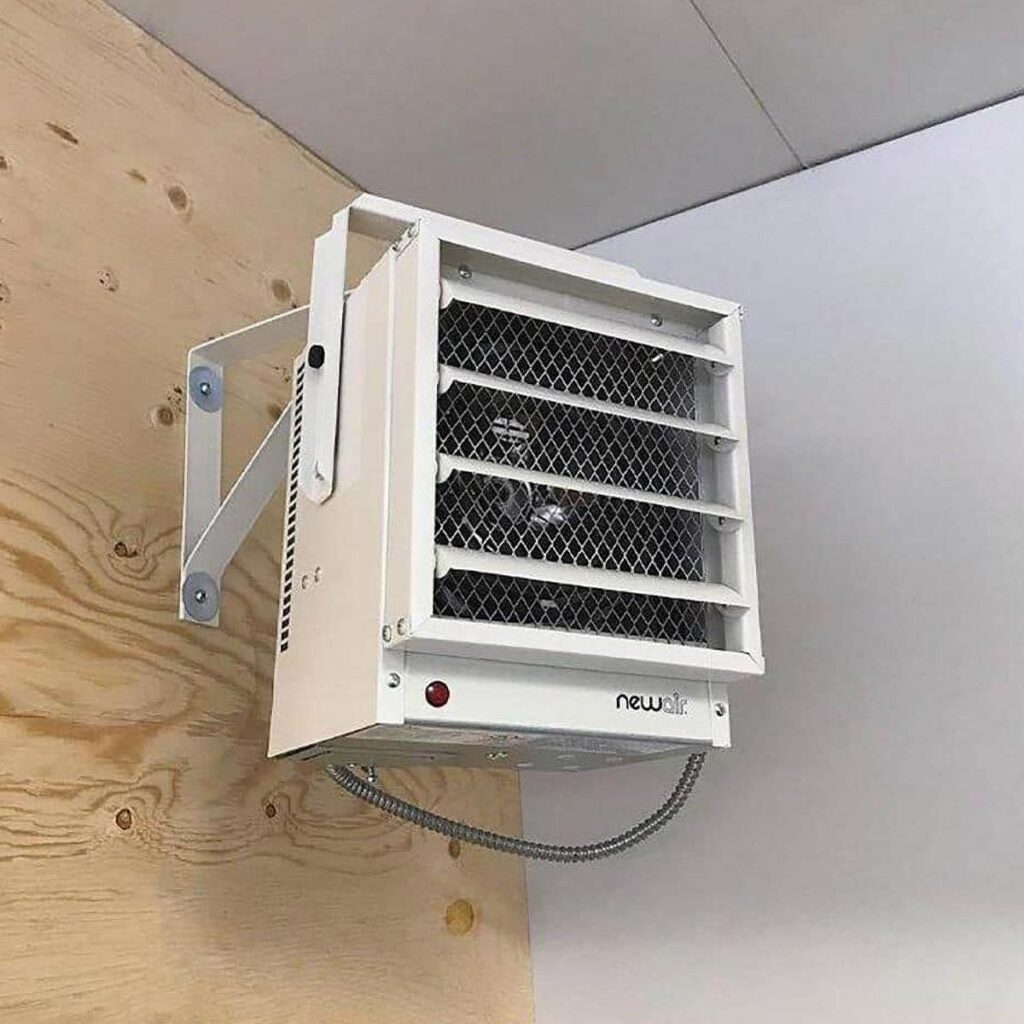
Practical considerations include safety features, installation effort and ongoing costs. Gas heaters require venting, carbon monoxide monitoring and routine maintenance, while electric models avoid combustion risks but depend on circuit capacity and outlet availability. Noise, startup lag and thermostat reliability shape daily use. Investing in proper clearances, a thermostat with stage control, and a simple service plan pays off over several winters.
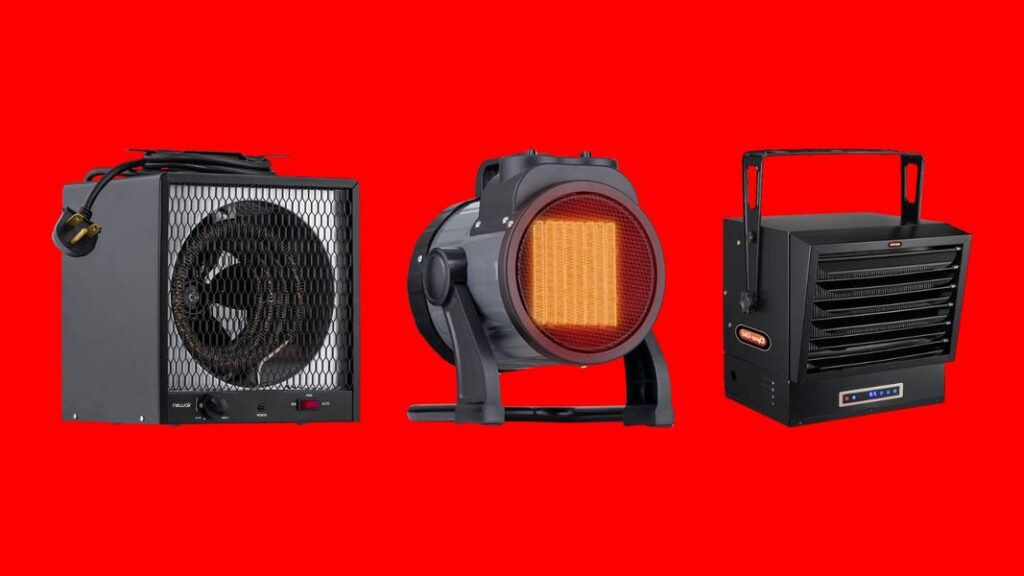
Final Take: There is no one-size-fits-all answer for best garage heaters. The wiser approach weighs space, insulation, fuel options and usage patterns to choose a model that delivers reliable warmth without waste. Myth-busting matters here: bigger is not always better, and safety features matter more than fancy branding. With careful sizing and sensible installation, a heater can extend your workshop’s productivity through cold months.