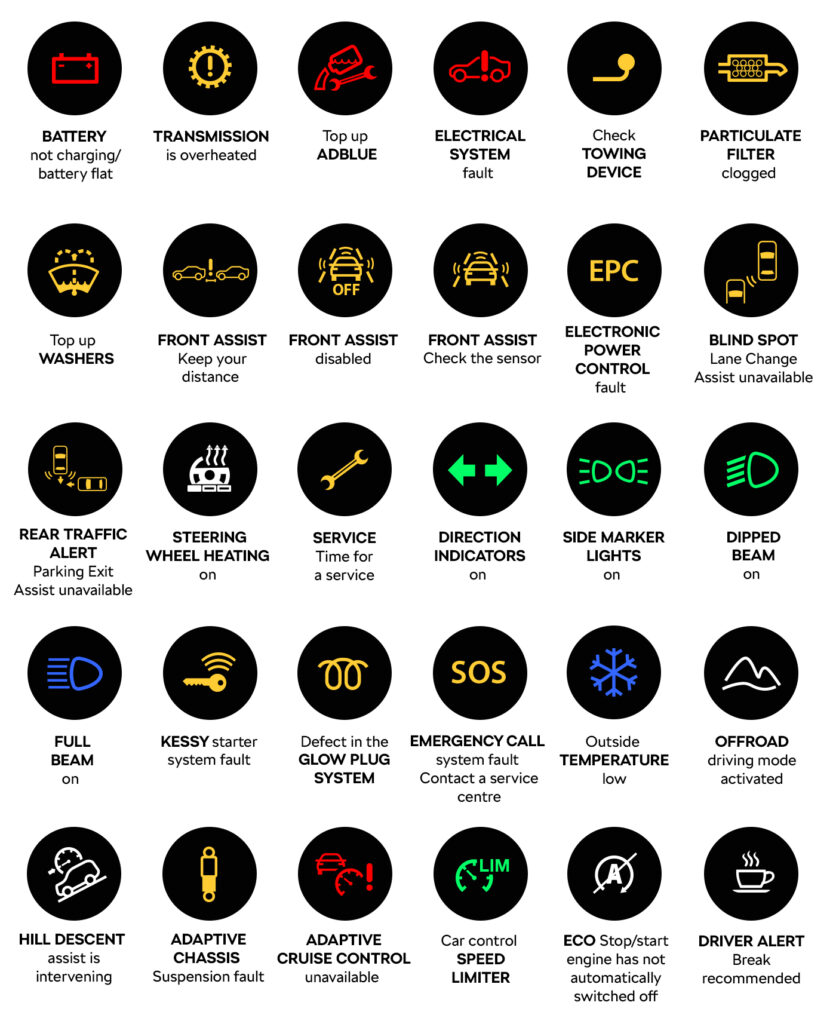
Warning lights on dash can feel intimidating in a family car. This guide translates the symbols, explains when to act, and helps you plan maintenance so daily drives stay safe and predictable. It focuses on common lights, practical steps, and when a quick check is enough or a professional is needed.
From tire pressure to the engine, the dashboard uses color, shape, and text to signal urgency. In family cars, legibility matters, so a low-oil icon is not mistaken for a routine reminder. This piece compares how common models present warnings, what owners typically do first, and where a quick manual check or a service visit fits into a typical weekday schedule.
Quick Take
Quick Take: warnings fall into three bands. Red lights require immediate action, amber alerts deserve attention soon, and blue or green indicators are informational. In family driving, prioritizing red alerts and planning a service window for amber ones keeps you moving without last-minute scrambles. The best behavior is to treat red as critical, amber as a repairable constraint, and informational lights as reminders to check the gauge cluster and schedules at your earliest convenience.
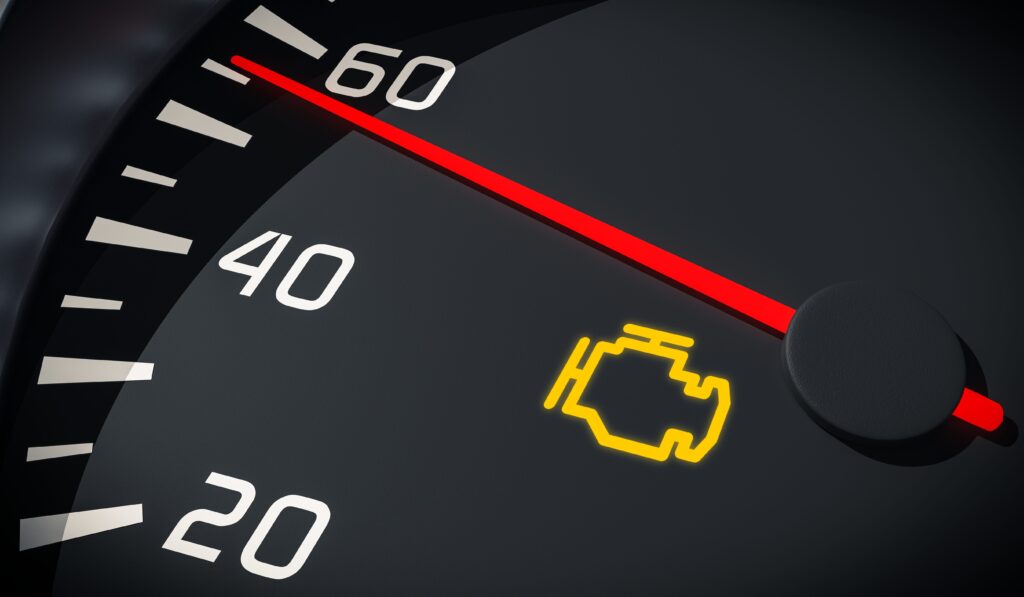
Beyond color, symbol shape matters. A check engine icon generally signals a drivability issue, while a tire pressure warning invites a quick air-check and possibly a slow-down. Systems that pair icons with short text speed understanding, while icon-only panels may force a manual lookup. In all cases, avoid long highway trips if a warning persists, and book a service slot before a minor issue becomes a breakdown. This approach trims uncertainty and keeps family trips reliable, with a plan for immediate response when needed.
How It Works in Practice
Daily Driving or Use: In typical family routines, most warnings occur during mornings and school runs. The plan is to address red lights immediately by pulling over and calling for roadside help if needed, while amber warnings invite a scheduled visit. When a blue or green indicator lights up, you can usually continue driving while you arrange maintenance. The key is to avoid ignoring any persistent alert. Keep a spare tire kit and fluids in the back, and glance at the cluster regularly.
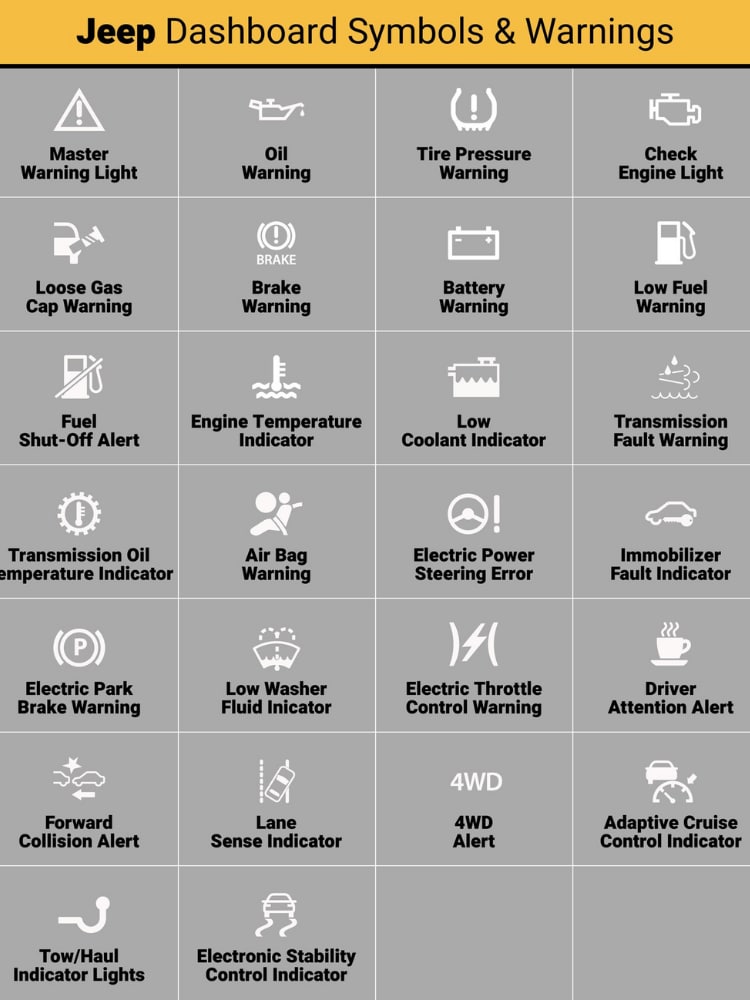
Comfort and Convenience: Modern dashboards aim to minimize distraction. Some vehicles show color-coded warnings with a dedicated quick-access menu so you can see related subsystem status, oil life, or service intervals at a glance. In family cars, visibility matters during dusk or wet conditions, so bright icons and audible chimes help you stay informed without tracing multiple screens. Still, the best habit is a routine check of tire pressure, fluids, and battery health every few weeks.
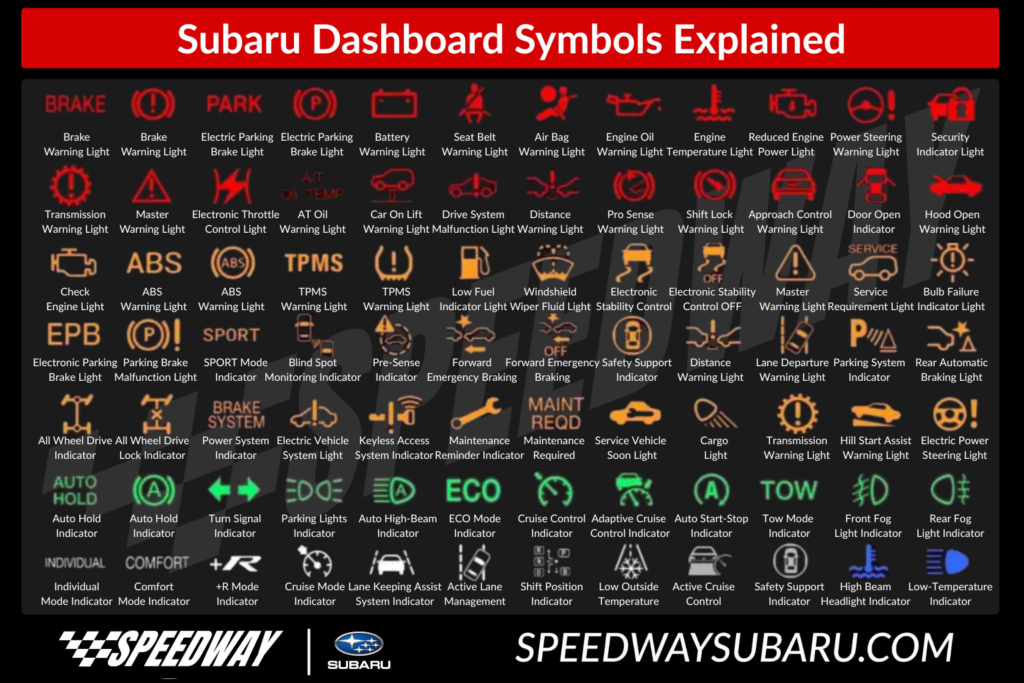
Specifications, Features or Capabilities: Most family models rely on a centralized information display to accompany the warning lights on dash, with TPMS, oil life indicators, and service reminders integrated into the vehicle health screen. Higher trims may add customizable alerts, speed-related warnings, and proactive maintenance scheduling. The trade-off is that more information can overwhelm a casual driver, so the choice of display clarity and alert verbosity matters for everyday usability.