
The garage car lift landscape blends safety engineering with everyday practicality. As a car design analyst, I compare lift concepts the way I compare chassis layouts: by how they fit your space, support your workflow and protect a vehicle during service. This overview highlights design tensions and practical trade-offs.
What makes a lift interesting goes beyond its stated capacity. The geometry determines how easily you access wheels, the maximum working height, and the risk level during alignment and underbody tasks. A well-conceived design reduces repetitive motion, minimizes noise, and speeds up tasks without compromising safety. Yet every choice introduces trade-offs: installation complexity, footprint, maintenance demands, and the potential impact on future upgrades or vehicle compatibility.
Exterior, Interior or Physical Design
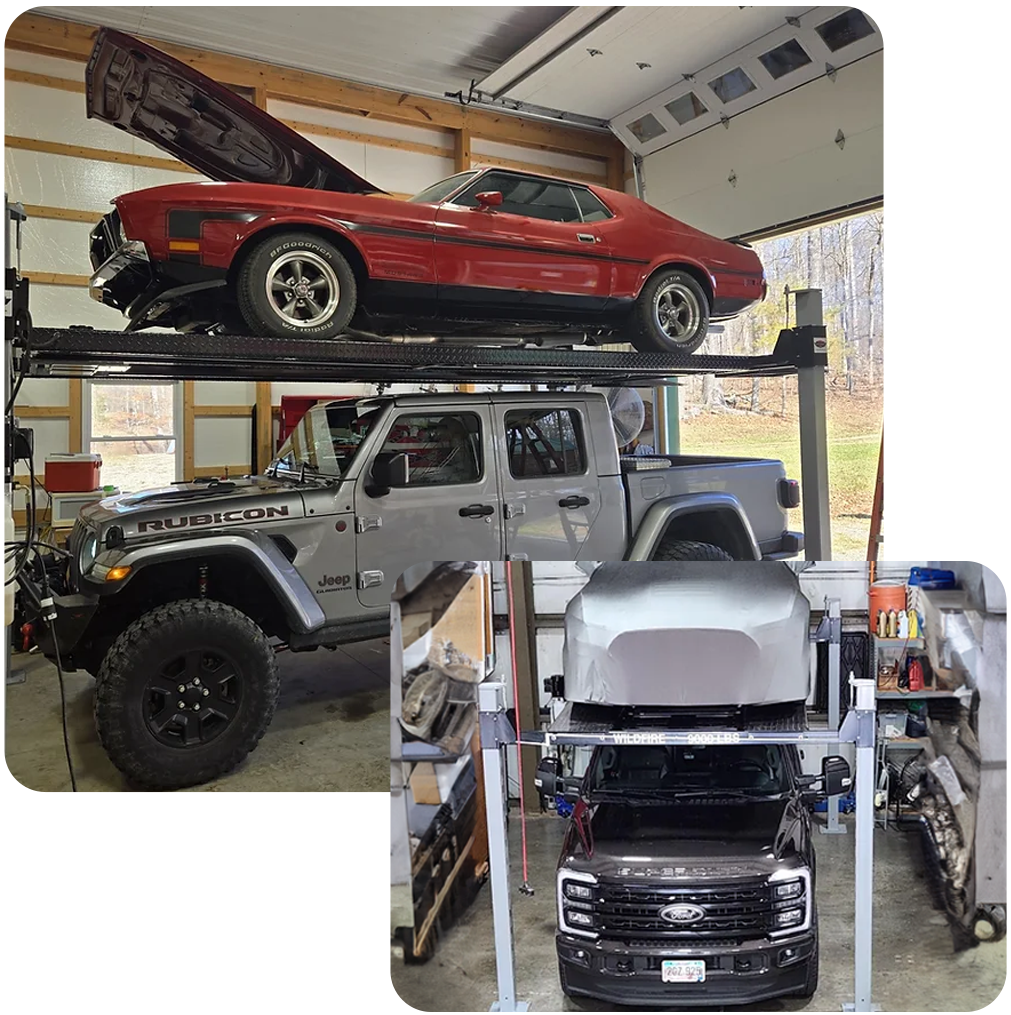
Exterior and physical design drive both compatibility and practicality. Four-post lifts tend to stand tall, with broad footprints and generous ground clearance, making them stable for heavier vehicles and long-term maintenance. Two-post designs save space but demand precise alignment and secure anchoring. Scissor lifts blur into a compact profile but can constrain tall vehicles or low-slung exhaust work. The decision shapes how cleanly you can run a shop day after day.
Footprint, ramp angles, and platform width affect daily usability. A wide platform eases tire changes and alignment, while tighter bays favor a leaner footprint. Consider service needs like brake work, oil changes, or exhaust access, and how often you’ll need to move the lift for garage flow. Accessibility to service panels and hydraulic lines matters for quick maintenance.
Powertrain or Core System

Most garage lifts rely on a hydraulic core or an electric screw-drive system. Hydraulic systems offer smooth, controllable raises with robust load handling, but demand routine oil maintenance and careful leak monitoring. Electric drives simplify wiring and enable precise, programmable positions, yet can add complexity and cost. The core choice influences reliability, downtime, and vibration during operation.
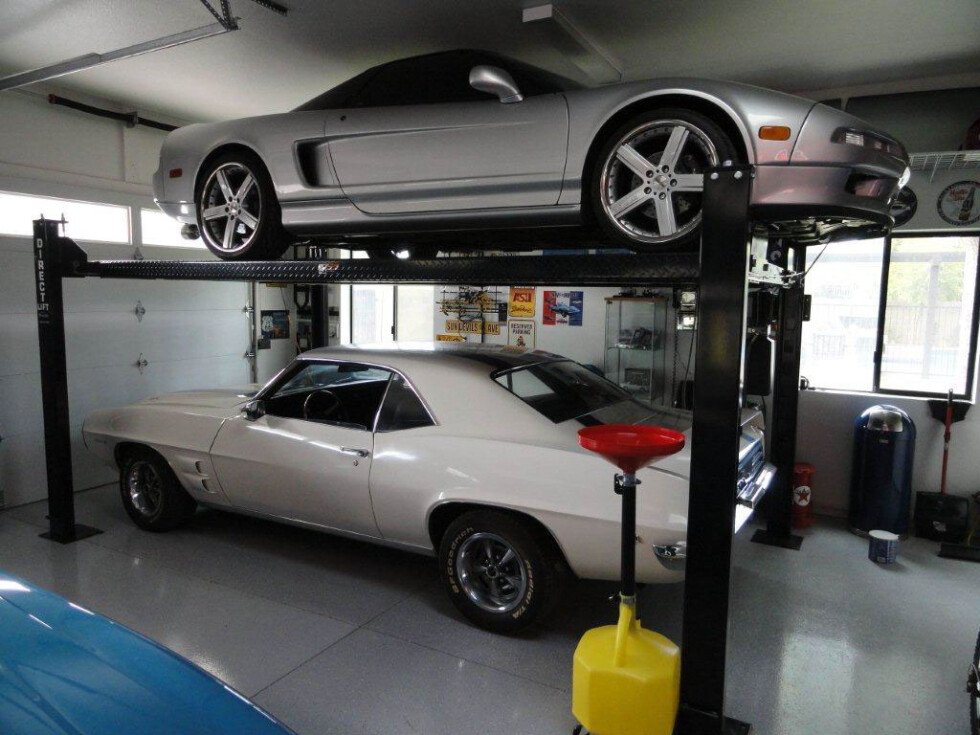
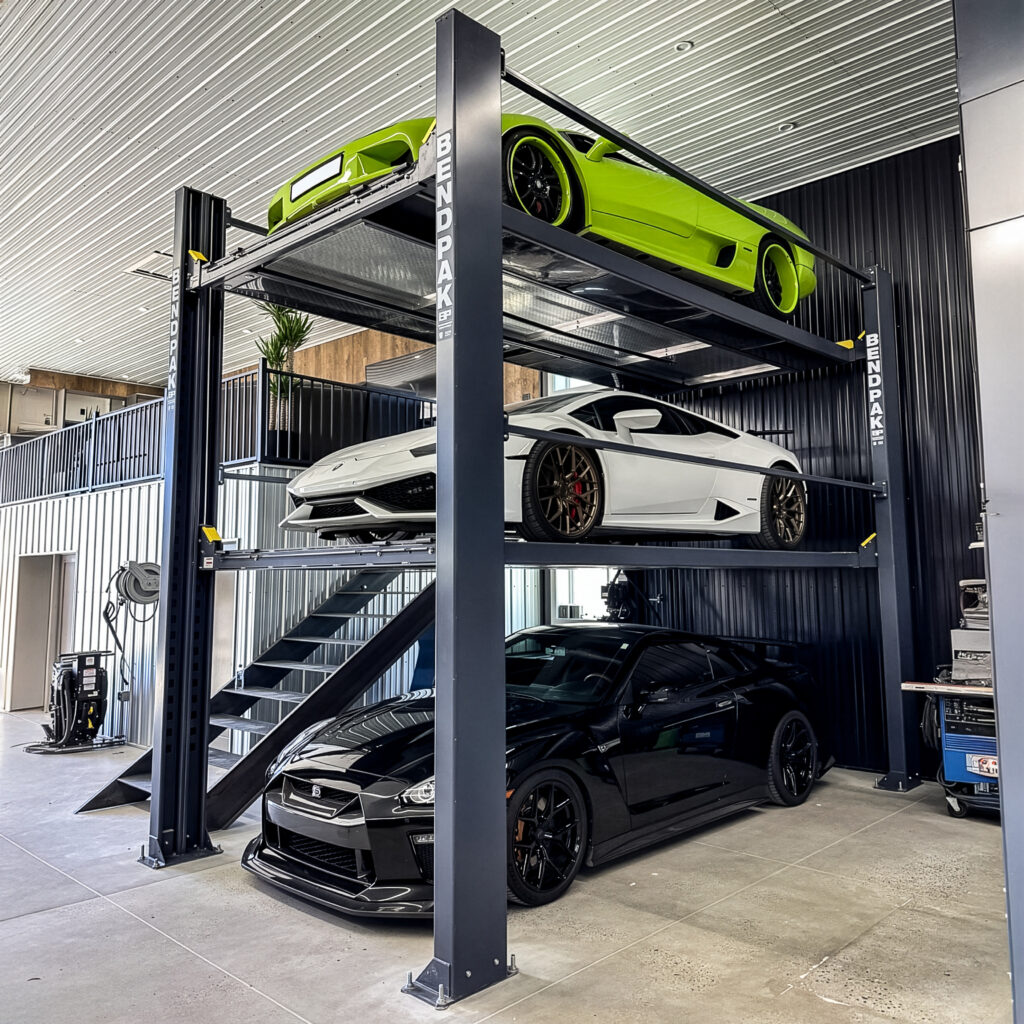
Controls range from simple wall-mounted switches to integrated touchscreens with status indicators, auto-lock features, and safety interlocks. A thoughtful system prioritizes intuitive operation, clear diagnostics, and quick fault isolation. Practical benefits include streamlined routine checks, remote monitoring options, and safety enhancements that reduce the chance of pinched fingers or dropped loads.


