Choosing between the Honda HR-V and Honda CR-V hinges on trim level details, not just model names. This trim level guide explains how configuration affects space, tech, and everyday usability, helping buyers balance budget with practicality in real-world driving. It informs budgeting and maintenance expectations.
Trim levels matter because they drive much of the ownership experience: the amount of cargo and passenger space you get, the interior quality, and the level of safety and tech you routinely rely on. A couple of step-ups typically deliver more comfort, faster infotainment response, and nicer materials, while keeping the underlying Honda reliability you expect. The HR-V and CR-V each speak to different lifestyle needs, from urban practicality to family-ready versatility.
Both models share Honda’s reputation for predictable handling, a quiet cabin, and user-friendly controls, but their packaging tells a different story. The HR-V is a smaller, more maneuverable SUV with a compact footprint and clever rear seating that maximizes cargo flexibility. The CR-V emphasizes interior room and refined road manners, offering more cargo space and a broader set of tech and comfort options. In short, they address distinct daily routines, balancing urban ease with highway presence.
What You Get
Base trims of both models provide the essentials: a comfortable cockpit, decent seating, and accessible cargo for everyday use. A broad set of safety aids is common across recent trims, and smartphone integration with Apple CarPlay and Android Auto is typically standard. Even entry-grade versions aim to be practical, but the CR-V usually feels roomier and a touch more polished in shared features, including seat comfort, sound isolation, and tactile switches. If you plan to grow into a loaded mid-trim, those tweaks often justify the price delta for daily reassurance.
What Changes by Configuration
Moving from LX to EX and beyond typically adds comfort and convenience rather than radical capability. Expect larger touchscreens, upgraded audio, leather or leatherette seating on higher trims, and features like heated front seats or a power-adjustable driver's chair. Exterior upgrades may include larger wheels or chrome accents, while all-wheel drive becomes more accessible on higher trims. The CR-V tends to offer more upscale options at each tier, reinforcing its premium appeal, and it often pairs these upgrades with a quieter ride and smoother acceleration.
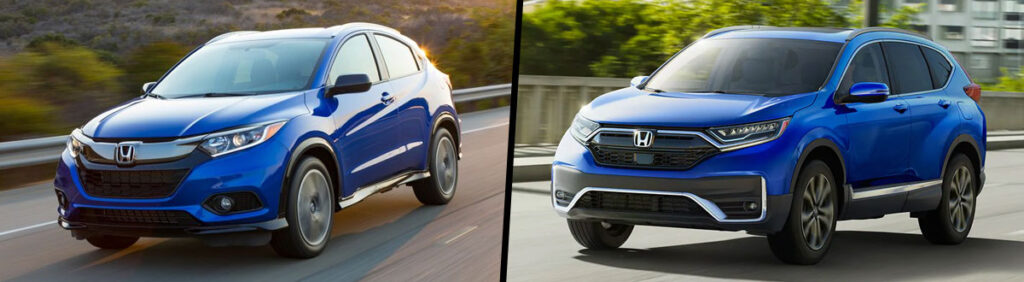
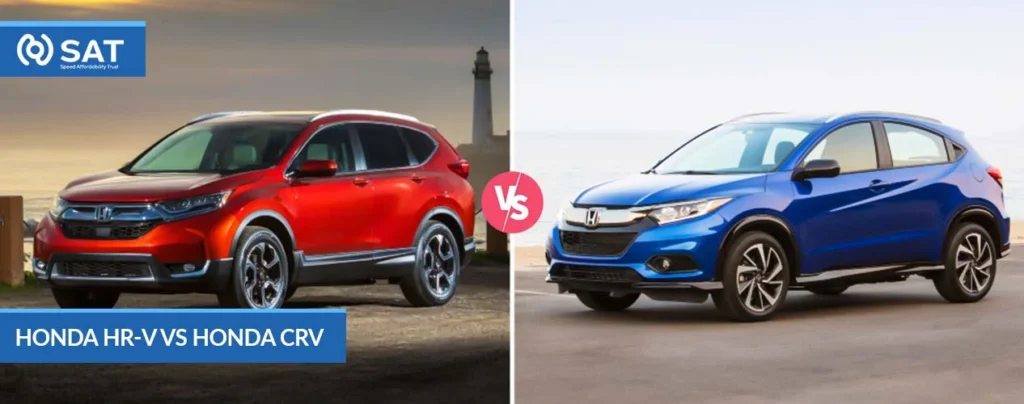
Across trims, both SUVs aim for smooth, predictable performance with efficiency in mind, but their emphasis shifts with size and chassis. The HR-V’s lighter mass helps agility in tight city streets, makes parking easier, and contributes to a lively everyday feel. The CR-V generally delivers a steadier highway ride, more refined sound levels, and notably more cargo practicality by design. Available all-wheel drive on higher trims can improve traction in variable weather, though it may modestly affect fuel economy, and vehicle load can shift the numbers as well.
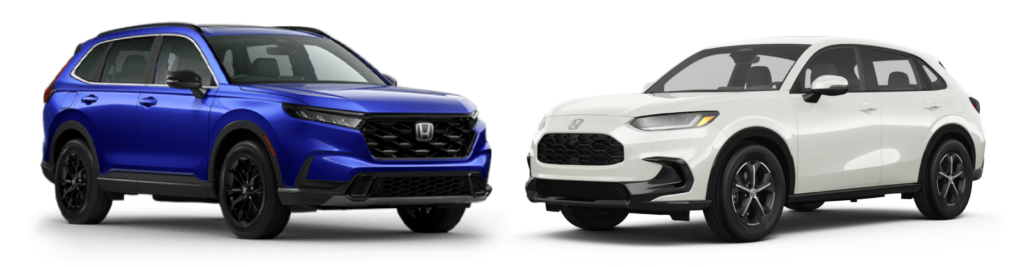
Where It Has an Advantage: The HR-V demonstrates real strength in urban environments where parking is at a premium, visibility is strong, and a smaller footprint pays dividends in maneuverability. The CR-V holds the advantage for families or frequent long trips, offering more rear-seat room, greater cargo volume, and a more accommodating overall feel, especially with upgraded interiors and tech.
Where Rivals Differ: In the compact-SUV space, rivals prioritize sportiness, luxury, or off-road bias, whereas Honda leans toward practicality, ease of use, and dependable daily functionality. Pros and Cons: The HR-V shines with nimble city usability, easy parking, and a lower entry price, while the CR-V delivers more interior space, stronger highway comfort, and broader option availability across trims. Buying or Ownership Considerations: Think about how you use the vehicle day to day—cargo needs, seating for passengers, and how long you expect to own it.
Final Take: Neither Honda is a universal winner; your best pick aligns with your lifestyle, budget, and travel plans, including climate and road conditions you encounter most. Matches your daily journeys.