This 2026 Honda Accord review covers generations, model-year differences, engines, and costs, while weighing real off-road realities. It isn’t a trail vehicle, but ride quality, ground clearance, and traction influence navigation on rough pavement, snow, or light gravel. Claims, recalls, and safety data are clearly separated. The piece invites verification from authoritative sources.
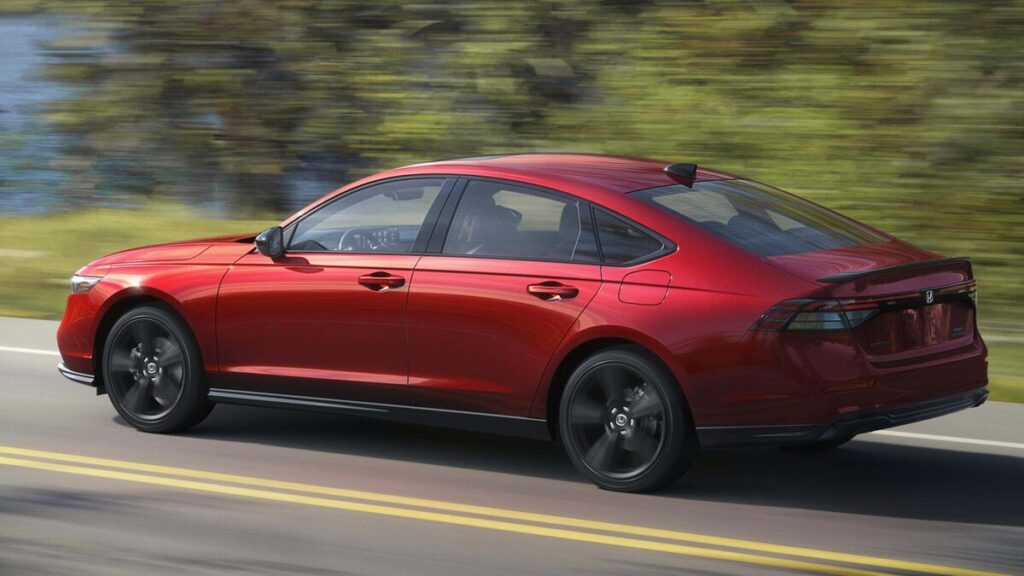
Generational updates in the Accord typically bring incremental improvements rather than drastic redesigns. For 2026, confirm which powertrain and features pair with your trim, as changes can occur yearly. These shifts affect fuel economy, acceleration feel, and the transmission tuning you experience in daily driving. Keeping records of service and option packages helps buyers compare model years more accurately.
Powertrain options
Honda typically offers a 1.5-liter turbocharged engine with a CVT for the base configuration and a 2.0-liter turbo with a traditional automatic in higher trims; exact pairings vary by year and market. Both setups emphasize efficiency and smooth power delivery, with the 2.0L delivering stronger acceleration on highways. Confirm the exact transmission when evaluating a specific 2026 Accord.
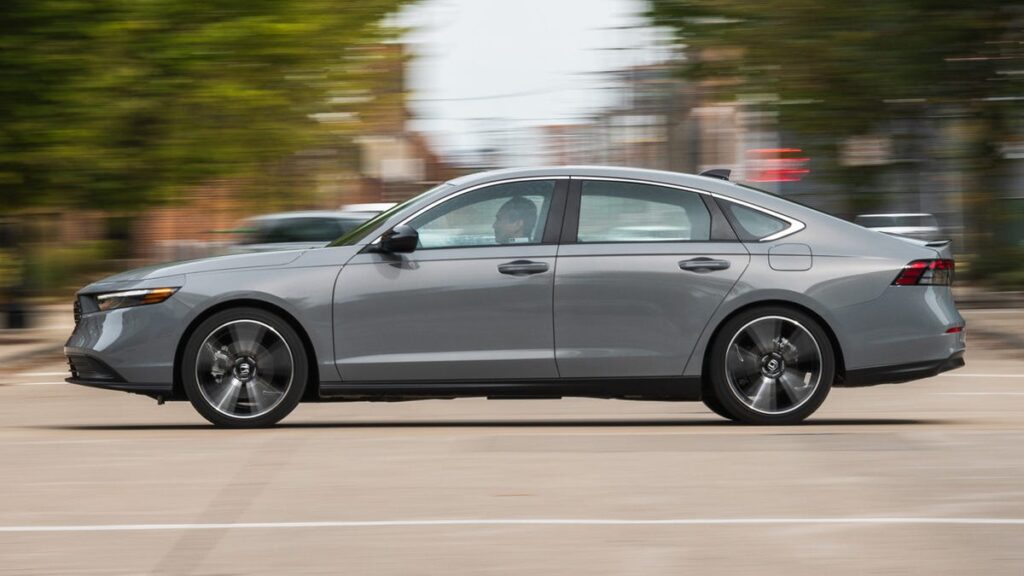
Recall and reliability notes are year-specific; check NHTSA and Honda notices for your VIN. Recall activity varies by generation and year, and it is essential to verify the current status before purchase. Editorial observations note infotainment quirks and some software-related issues, but reliability data should be verified from authoritative sources for the exact vehicle.
Reliability snapshots
Maintenance for the Accord follows typical modern sedans: regular oil changes, brake and tire inspections, and software updates. For the 2026 model, pay attention to transmission service intervals if applicable to your trim. Inspect the suspension and steering for rough-road handling, especially if you plan light off-road use on gravel or poor pavement.
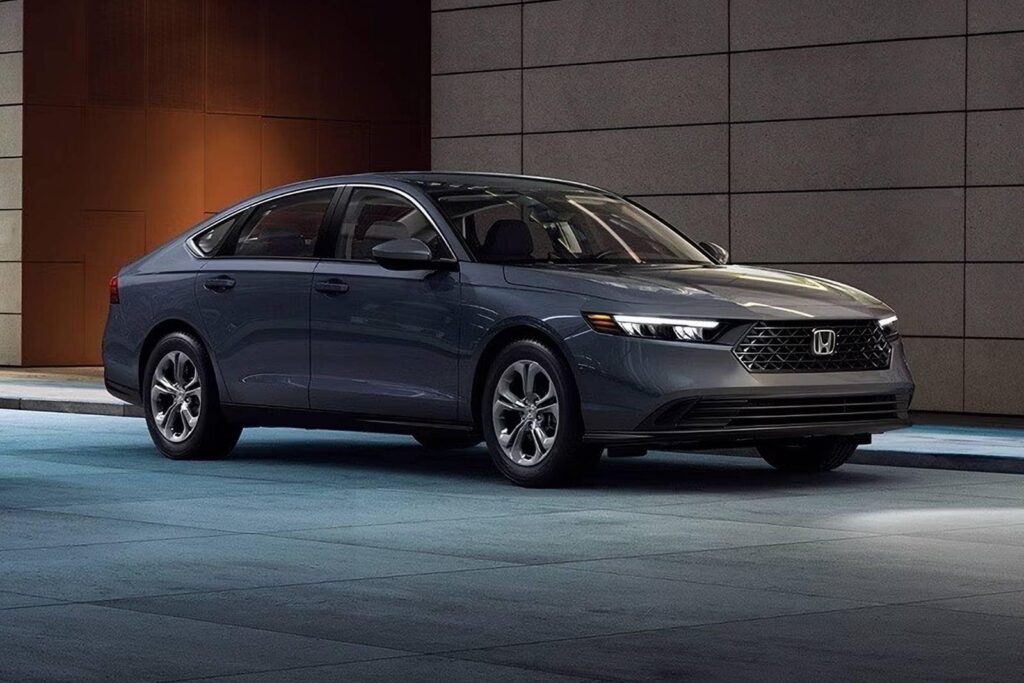
Depreciation and ownership costs will vary by trim, mileage, and market demand for sedans. Expect model-year differences in resale value, insurance, and maintenance needs; verify with VIN-specific history. A pre-purchase inspection can help confirm wear on components exposed to rough roads and off-pavement conditions.
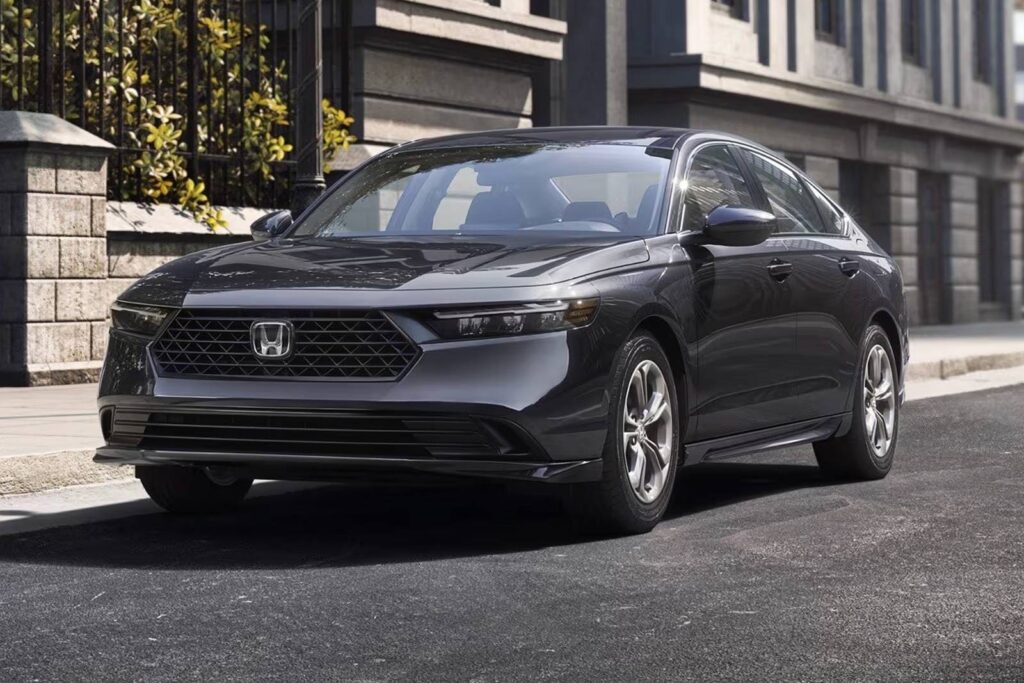
Safety features and ownership costs are central to the buy decision. Look for Honda Sensing features and crash-test information from official bodies, and verify the coverage in your trim. For ownership costs, gather insurance quotes, maintenance plans, and tire-and-brake budgets, noting that off-road use can influence wear on suspension and tires.