
The 2005 Toyota Tacoma remains a practical choice for urban drivers seeking a compact pickup with real-world versatility. Its nimble footprint, simple controls, and dependable drivetrain help with city commutes, errands, and light hauling. This city guide highlights what to expect and how to pick a trim for urban life.
City streets reward the Tacoma with a practical footprint. It fits into tight spots and gives clear sightlines from the upright cabin, easing lane changes and parking maneuvers. Errands and weekend projects feel doable thanks to predictable handling and simple controls. The trade-off is a firmer ride and more engine noise on the highway compared with a car, but the trade-off pays off in real truck utility.
Powertrain options
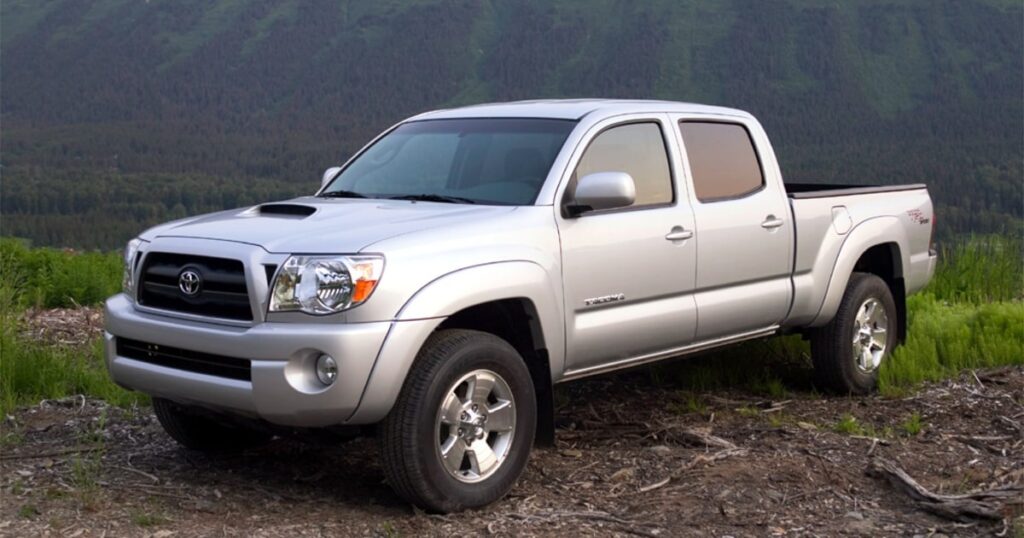
Two engine choices were offered for the 2005 Tacoma: a 2.7-liter four-cylinder and a 3.4-liter V6. In urban use, the four-cylinder is lighter on fuel and easier to accelerate from a stop, while the V6 provides steadier, confident response when merging or climbing hills after a long day. Both could be mated to a manual or an automatic transmission, and four-wheel drive added capability for rain or snow. For winter commuting or on slick backroads, the drivetrain choice really matters and can influence daily usability.
Choosing between Access Cab and Double Cab changes daily usability more than you might expect. The shorter cab limits rear-seat legroom but frees up bed length for tools and groceries, while the Double Cab sacrifices some bed space for rear passenger comfort, which matters for carpool days or family trips. For city haulers, the bed length and tie-downs become practical features, especially when picking up bulk items or furnishings.
If you see yourself stuck in traffic with gear, plan your configuration accordingly and map your typical trips to determine whether passenger space or cargo capacity takes priority.
Interior and usability
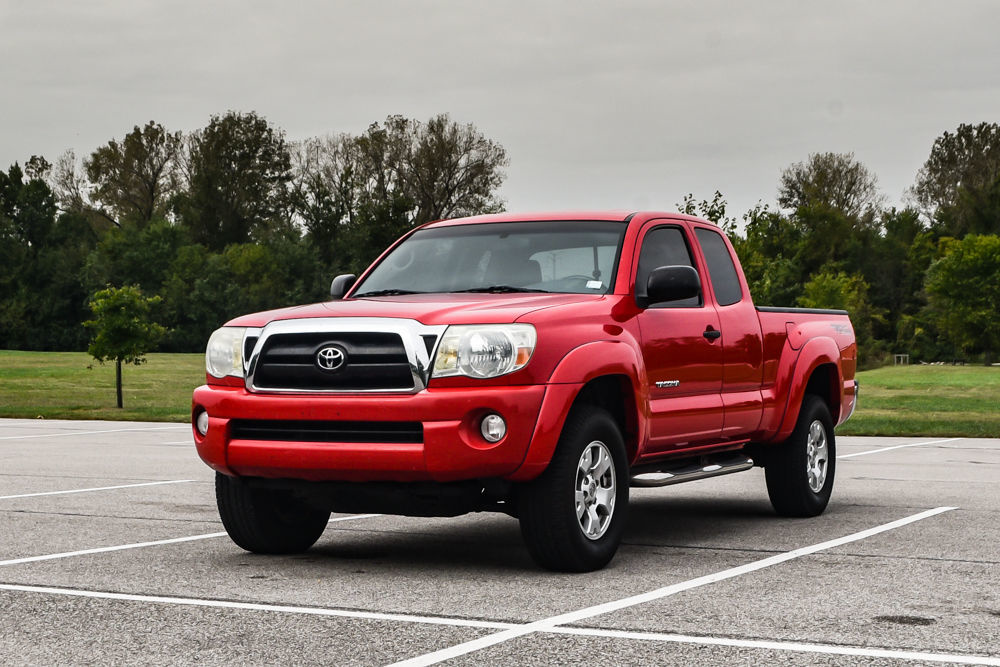
Internally, the Tacoma's upright seating position and wide windshield promote easy maneuvering in traffic and parking lot shifts, while durable materials resist scuffs from daily use. The controls are straightforward and respond well to gloved hands, making it easy to operate with distractions or in a hurry. Seat comfort varies by trim, but even base models provide solid support for short commutes and longer runs alike. Storage nooks and a practical center stack keep daily essentials within reach, and the bed remains ready for groceries, tools, or sports gear.
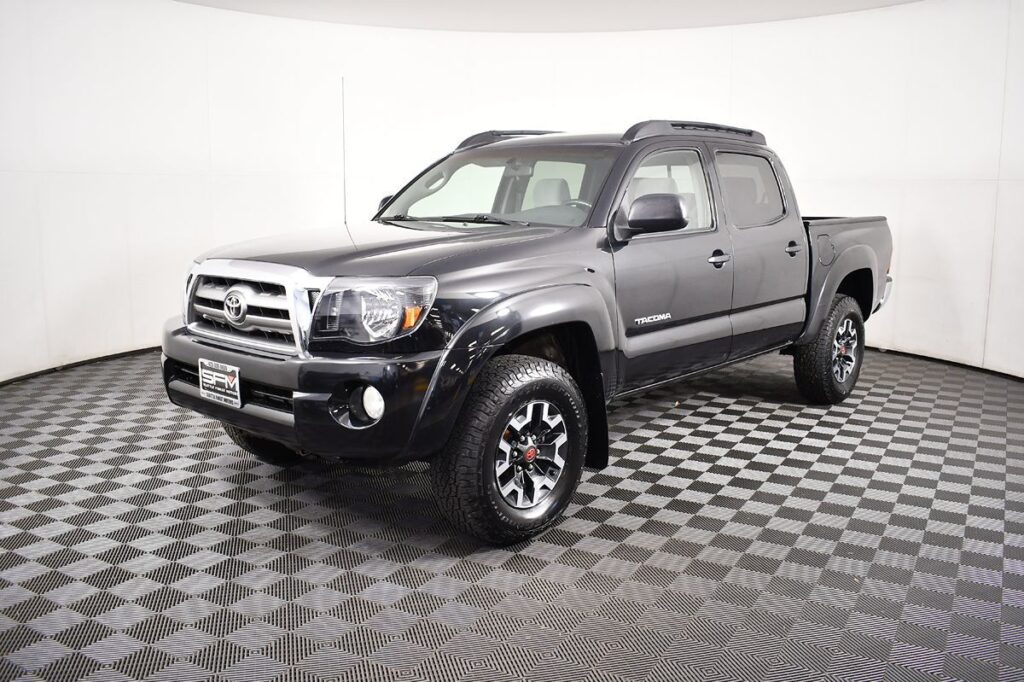
From a maintenance perspective, the 2005 Tacoma remains a straightforward, long-standing platform. Regular service items like brakes, tires, and belts stay within predictable budgets, and aftermarket parts remain widely available. Safety features were dependent on trim, with airbags and anti-lock brakes commonly present on higher or newer configurations. Given the truck's age, a careful pre-purchase inspection is wise to detect rust, frame wear, or suspension wear, and to assess the condition of steering and ball joints.
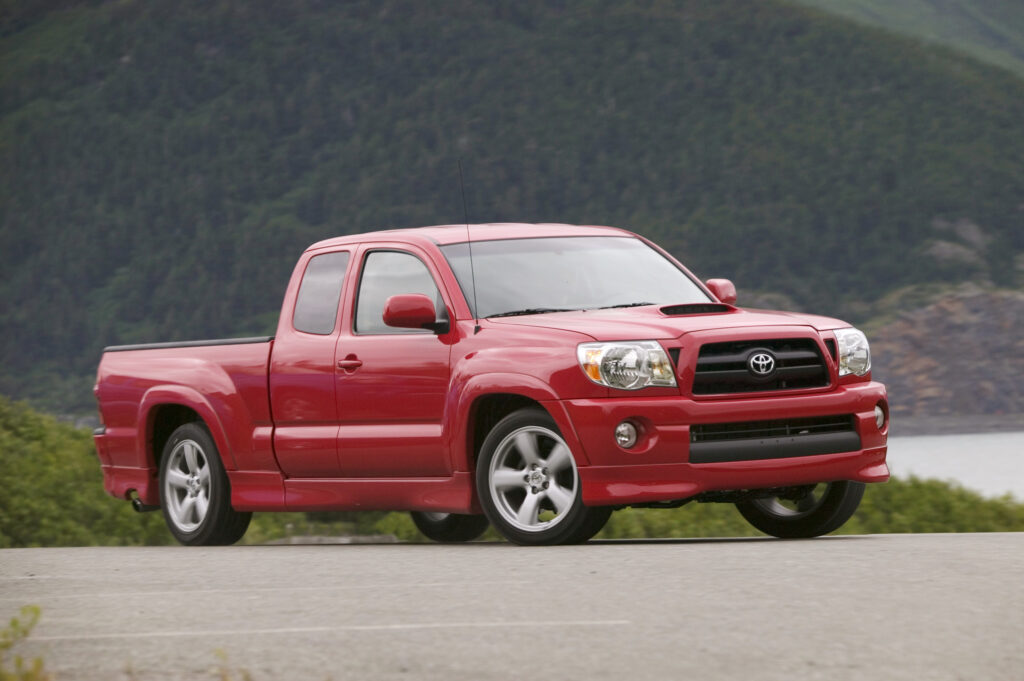
Overall, the Tacoma remains a competent city companion when you match the configuration to your daily routine. It blends practical payload, straightforward maintenance, and a forgiving learning curve for new truck owners. Compare trims, inspect for rust, and weigh used-market pricing against similar compact pickups. For many urban tasks, it delivers dependable capability without unnecessary frills, and with smart ownership choices it can continue to serve for years in a busy city life.


