This Used Car Buying Guide walks you through a practical, step-by-step decision journey from preparation to post-purchase considerations, helping you buy with confidence, avoid common pitfalls, and maximize long-term value. By clarifying needs, timing, budget, and the tradeoffs of different approaches, you’ll approach every listing with purpose and reduce buyer's remorse.
Before you even look at a single listing, take a moment to define your mission. A proper Used Car Buying Guide starts with preparation: spell out the exact role the vehicle will play in your life, the environments you’ll drive in, and the expectations you have for reliability, comfort, and fuel efficiency. Create a simple master brief that includes your preferred body style, required seating, cargo needs, and any must-have safety or technology features. Transparent budgeting matters as well: decide how much you are willing to spend upfront and what you can responsibly finance each month, while accounting for taxes, registration, and potential maintenance. Think about ownership horizon—are you planning to keep the car for several years, or is this a shorter-term solution? Clarifying these questions early reduces the number of tempting but unsuitable options that reach your desk. The decision journey then branches into two big paths: private-party purchases where price negotiations are common but risks can be higher, and dealership or certified pre-owned routes where warranties and inspections provide a buffer but prices may be less flexible. The point of this guide is not to prescribe a single right answer but to arm you with a framework so you can make a choice aligned with your situation. As you progress, treat tools like a vehicle history report, a professional inspection, and a thorough test drive as mandatory steps, not optional add-ons. The goal is to spot red flags early, such as inconsistent maintenance records, signs of past accidents, or unusual noises during operation, and to compare any candidate against your predefined criteria rather than against the latest listing photos. If you want to go deeper, this guide pairs well with our sections on recall information, maintenance cost awareness, and financing options so you can understand the full financial picture without getting surprised after the sale.
Preparation phase
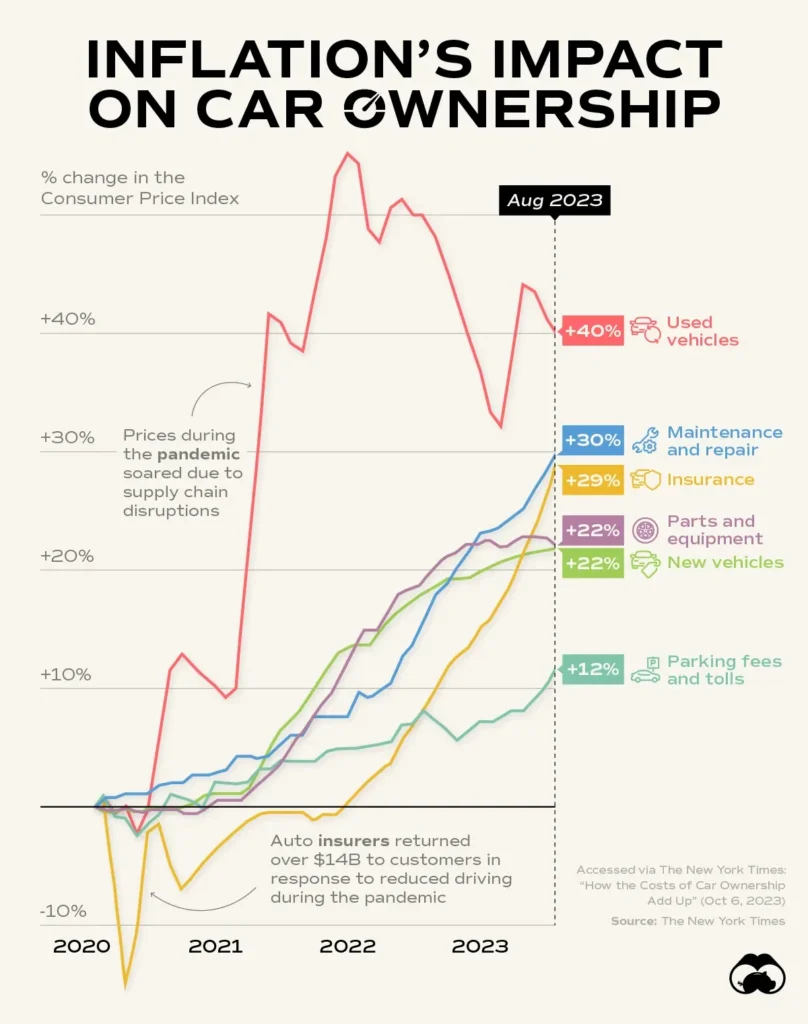
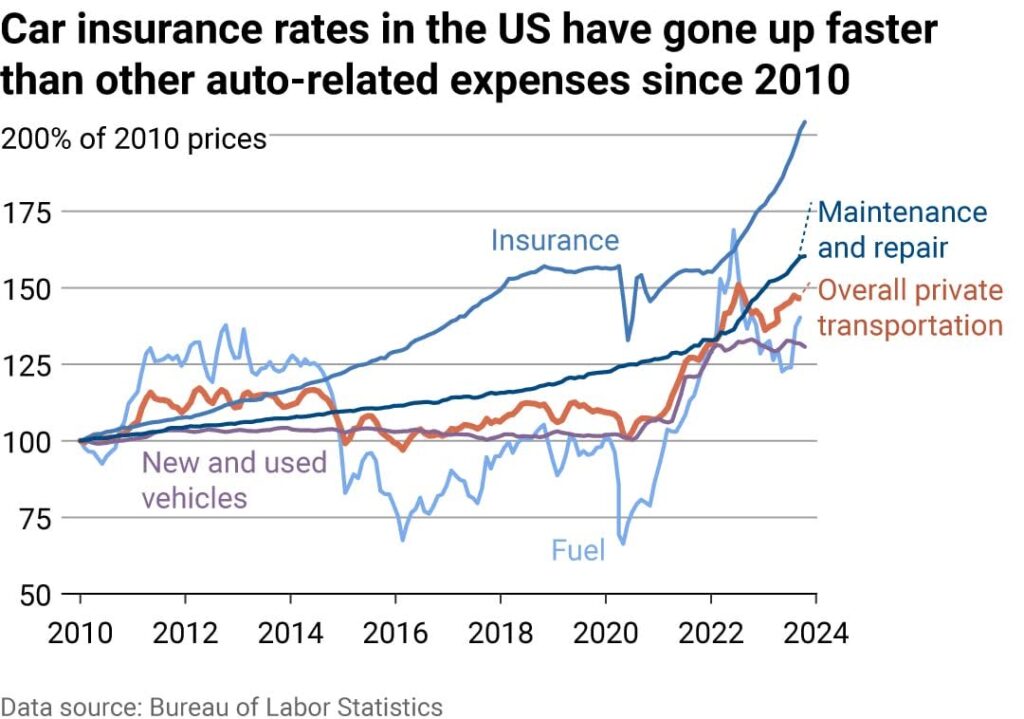
With a purpose in mind, translate your plan into concrete criteria and a workable budget. Start by listing total ownership costs you will incur beyond the sticker price: taxes and registration, recurring insurance premiums, maintenance, tires, fuel, and potential depreciation. Even if you are purchasing used, you should consider depreciation as part of the cost of ownership; a vehicle with a known maintenance history may minimize unexpected expenses later. If financing is part of your plan, compare loan terms across lenders and hide nothing about your credit profile—your rate should align with your budget and the level of risk you are willing to accept. In many markets, credit unions or banks can offer favorable terms for reliable used cars, but terms vary, and a longer loan rarely reduces overall cost if interest accumulates over time. Decide whether you will buy outright, finance through a dealer, or secure a lender; each path has trade-offs in terms of down payment, monthly payments, and the flexibility to walk away from a bad deal. Also think about the value of extending your protection: a manufacturer-backed Certified Pre-Owned program can provide a warranty window and included inspections, but you should weigh the cost against the level of protection and the vehicle's baseline reliability. Insurance costs are highly variable by driver profile, vehicle type, and location, so request quotes early on different model choices to see how much your premium may shift when you switch from one candidate to another. In parallel, start compiling a short list of inspection items that matter to you: drivetrain health, transmission smoothness, brake performance, suspension soundness, and the integrity of the electrical system. A written checklist will keep the process objective and consistent as you evaluate multiple candidates. Finally, consider the seller's transparency and the availability of records. Vehicles with complete service records, a clean title, and documented maintenance are generally easier to verify and negotiate, reducing the risk of hidden issues. When you are ready to move forward, you will be prepared to perform an efficient, fair comparison of real-world candidates, not just the glossy presentation on a listing page.
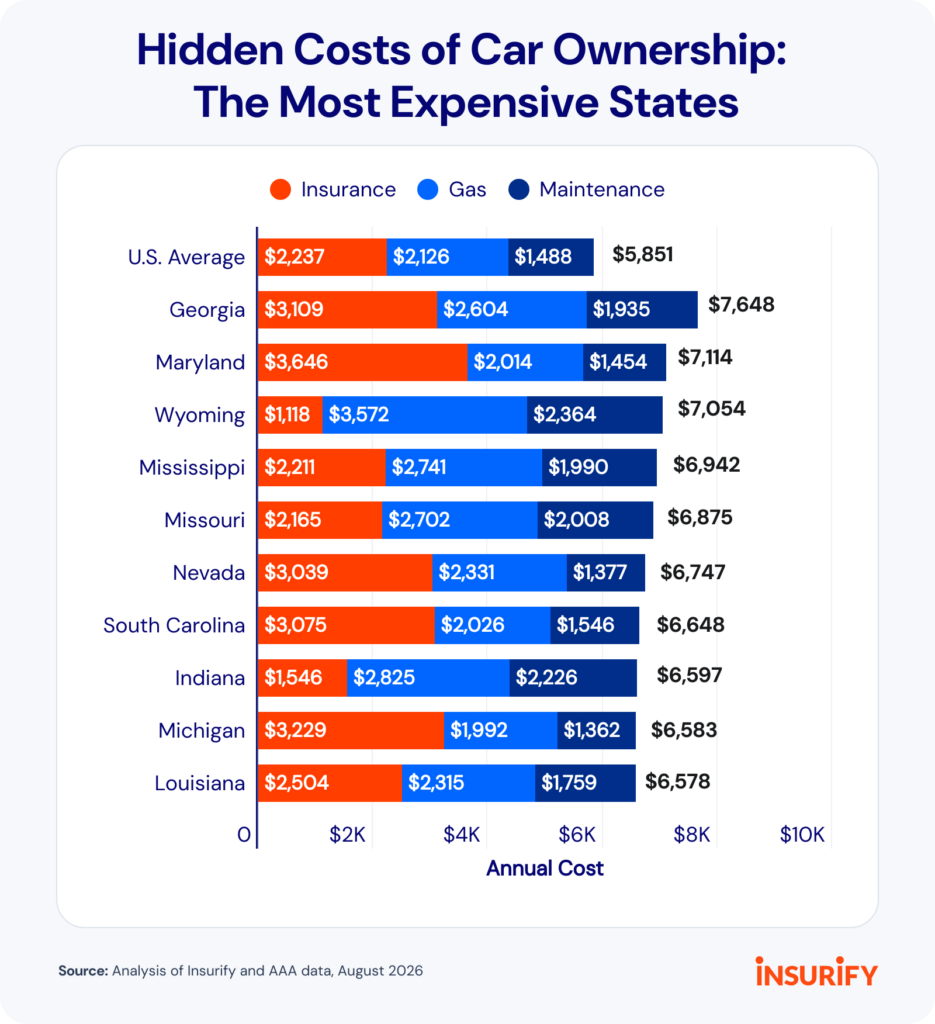
Next, begin the evaluation phase with disciplined research. Start by narrowing vehicle types that fit your use case (compact sedans for city commutes, mid-size SUVs for family trips, or trucks for hauling). For each model, look beyond sticker price to total cost of ownership: projected maintenance costs, parts availability, fuel or energy consumption, tires, and regular service intervals. Check the model's reliability reputation from multiple sources, but weigh model-year-specific notes rather than general brand-level claims. A clean vehicle history report is essential, ideally with no major accidents, consistent maintenance, and a record of timely ownership. If there are known recalls, verify how they were addressed and whether the seller has documentation. Examine the service history for consistency: frequent short trips can mask mechanical wear, while a single long-term owner with regular maintenance is often a better signal than several owners with sporadic service. If possible, obtain a pre-purchase inspection from a qualified technician who can assess the engine, transmission, suspension, and electrical systems under load. The inspector’s notes will guide you on necessary repairs, potential upcoming expenses, and how they affect resale value. In parallel, study the model year and trim differences that align with your needs; sometimes a slightly older model with a proven maintenance record beats a newer version with uncertain history. Throughout this phase, document each candidate with a simple scoring framework: price, condition, mileage, maintenance history, and risk indicators. This approach helps you compare apples to apples and reduces impulse decisions driven by flash photography or limited test drives. Also, keep in mind practical considerations such as parking, cargo needs, and daily usability, because the best car on paper may not be the best fit for your real-life routine. Remember that the goal of evaluation is to separate likely solid options from riskier bets, and to build a solid baseline for comparison during the next stage.
With several viable candidates, switch to a formal comparison framework. Create a side-by-side comparison for each vehicle that captures price, mileage, maintenance history, known issues, the condition of major systems, and the presence or absence of warranties. Use a simple weighted rubric to reflect what matters most to you: for instance, if you value lower risk and predictable maintenance, give more weight to service history and inspection results; if you prioritize upfront price, lean toward lower asking prices but require stronger verification. Consider the credibility of the seller and the completeness of paperwork as a risk factor. A transparent seller who provides a clean vehicle history and a recent inspection report reduces negotiation friction and helps you determine a fair market value. When the numbers are tallied, compare the resulting scores and determine which option represents the best balance between cost and risk given your personal constraints. Remember, there is rarely a single universally best option; your context will drive the right choice. Finally, before negotiating, assemble supporting materials: a list of questions about maintenance, any outstanding recalls, and a clear view of the expected ownership costs over the first few years. If you can, run a few practical tests—listen for abnormal noises, test drive on varied road surfaces, check braking feel, and verify that all safety features you expect operate reliably. This stage is where the decision becomes concrete and actionable.
Armed with a solid understanding of value and risk, you are ready to execute the purchase. Begin with a comprehensive test drive that mimics your typical routines: highway cruising, city stop-and-go, and rough pavement if applicable. Listen for engine or transmission concerns, check acceleration response, steering feel, alignment, and braking performance. Confirm that all comfort and safety features perform as expected. During negotiation, use your documentation as leverage: the inspection report, the vehicle history, and the local market values for similar options. Be prepared to walk away if the price does not reflect true condition, or if the seller cannot provide verifiable maintenance records or a credible history. If financing is involved, compare offers side by side, taking into account total cost of credit and any loan protections. Ask about the warranty terms if a dealer or CPO option is on the table; understand what is covered, the duration, and the process for repairs. Review the paperwork meticulously: ensure the VIN on the title matches the vehicle, confirm the odometer reading aligns with the seller's claims, and verify that any liens are cleared before transfer. For private-party purchases, complete a bill of sale and ensure the title transfer follows your state's requirements. For dealer purchases, verify the included services and whether there is a return policy or exchange window. After you finalize the deal, arrange a professional inspection of the vehicle immediately after purchase, especially if you did not have one beforehand, and schedule routine maintenance with a trusted shop. Finally, secure insurance coverage and keep a copy of all documents, including the receipt, the title transfer, and the warranty paperwork. This careful approach reduces the risk of post-purchase surprises and sets you up for smoother ownership.
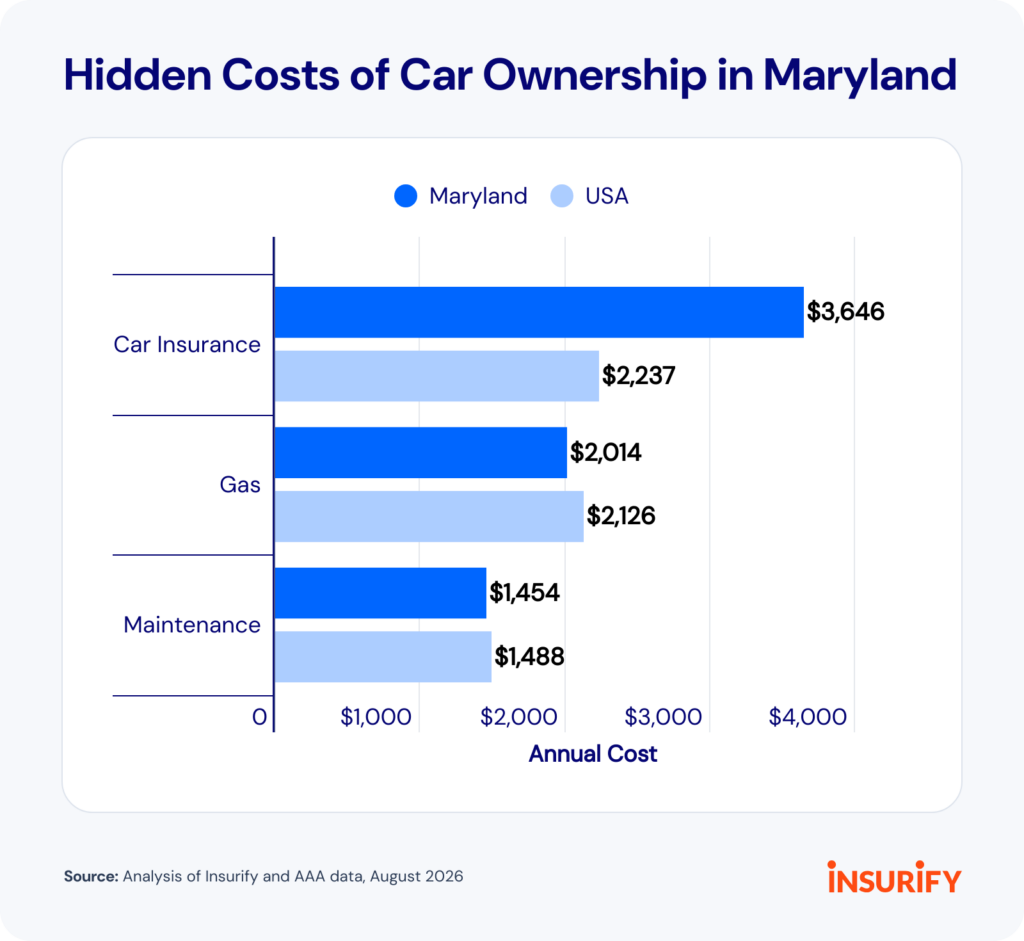
After you bring the car home, establish a maintenance and document-tracking habit to preserve value and reliability. Create a routine service calendar aligned with the manufacturer's recommendations, record every visit, every part replacement, and any diagnostic findings. Keep all receipts and digital records organized so you can reference them for future maintenance, resale, or warranty claims. If you encounter any recurring issues, address them promptly through a qualified technician, because timely intervention can prevent larger, costlier problems later. Stay proactive about safety by staying current on recall notices and service campaigns; subscribe to official recall alerts or check at regular intervals. If your vehicle carries a transferable warranty or a certified pre-owned promise, read the terms carefully and note coverage limits, what constitutes a claim, and how to pursue service without hassle. Consider your long-term ownership costs, including expected depreciation, insurance volatility, and potential fuel or charging costs if you choose a newer or alternative propulsion system. Finally, plan for the eventual sale or trade-in by maintaining a clean, verifiable service history and keeping the vehicle in good cosmetic condition. Honest documentation and disciplined upkeep often translate into higher resale value and easier negotiations when you decide to upgrade. Throughout ownership, continuously assess whether the vehicle still meets your needs, and be ready to adapt your plan if your situation changes. A pragmatic approach to post-purchase care protects your investment and makes the Used Car Buying Guide a living resource you return to whenever you reassess your vehicle strategy.