The 2026 Hyundai Santa Cruz enters a new generation with meaningful updates aimed at practical buyers. This review follows the generation-change logic across trims, powertrains, and tech, while weighing factory claims against independent testing, owner feedback, and expected ownership costs.
Generation changes
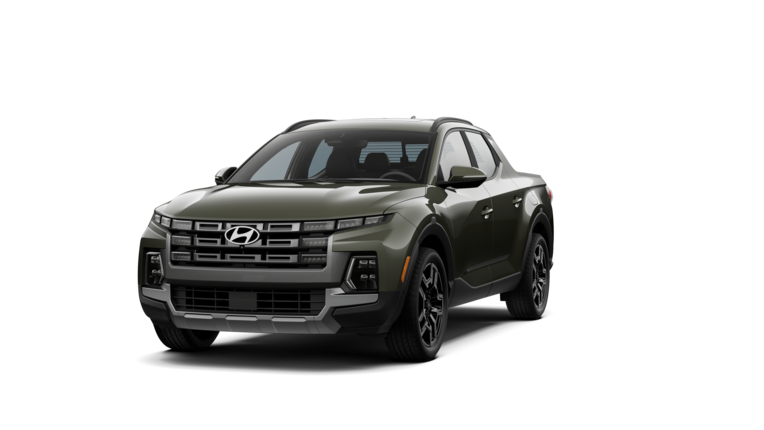
In the 2026 Santa Cruz, Hyundai emphasizes a clear generation-change narrative focused on interior practicality and updated electronics. Buyers should expect revised exterior styling cues, a more versatile cabin arrangement, and improved infotainment options. Hyundai also positions new driving aids and refined suspension tuning as core updates, though the strength of these claims will depend on trim and configuration.
Driving experience
Hyundai's notes on the drive focus on balanced ride and handling across the generation. Independent testers often highlight how the chassis and suspension changes influence road feel, especially with different wheel and tire setups. Buyers should verify how the powertrain choice affects acceleration, towing capability, and NVH in real-world conditions, rather than relying solely on marketing statements.
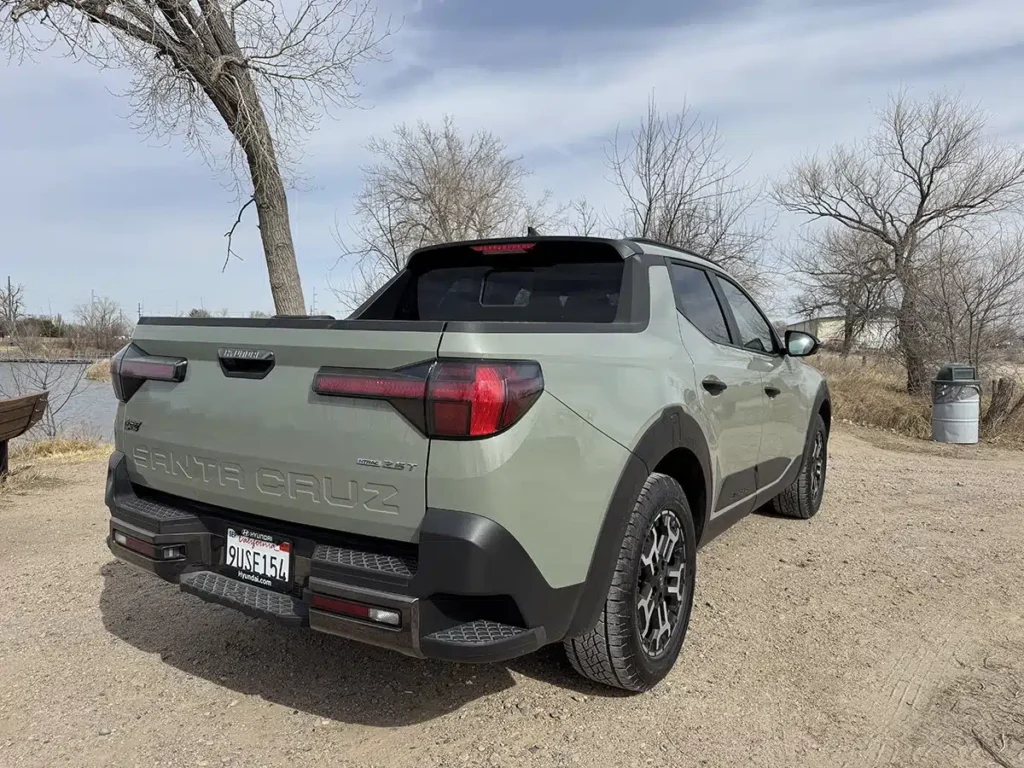
The interior is a defining part of the Santa Cruz generation-change story. Reviewers note improved cabin materials on higher trims and a more configurable cargo area, including the bed features that differentiate it from traditional SUVs. Buyers should assess seating comfort, noise levels, and cargo access across trim levels, as these factors strongly impact daily usability.
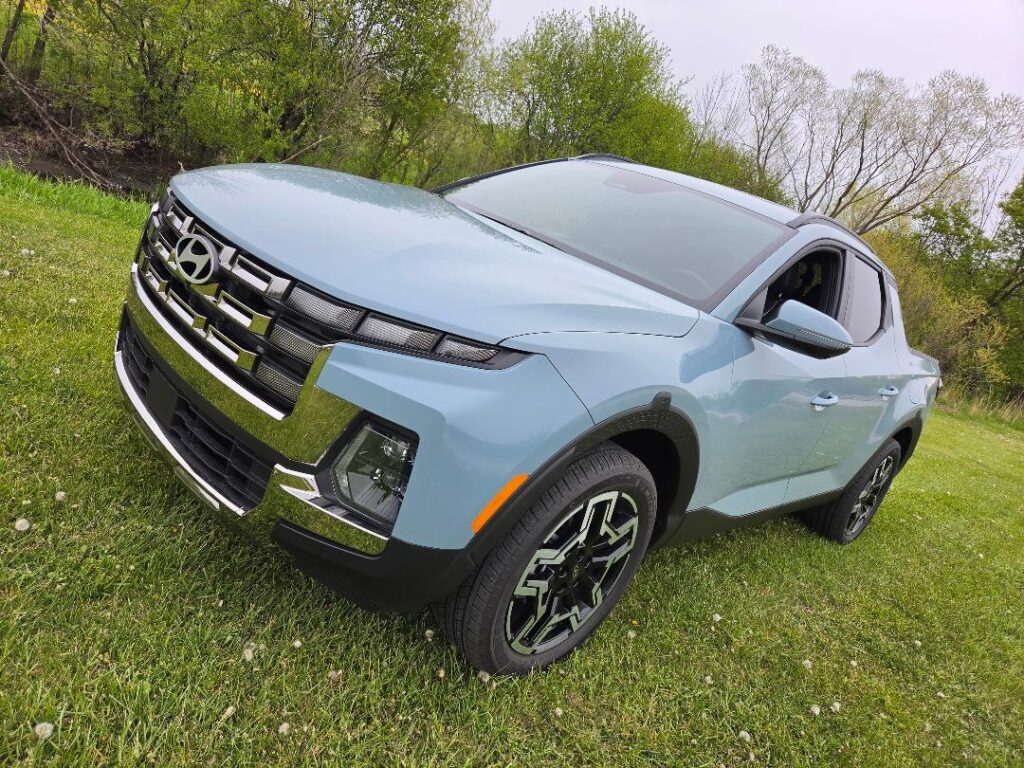
On safety, Hyundai bundles active driver assists across trims, including automatic emergency braking, lane-keeping assist, and blind-spot monitoring. Manufacturers tout these as standard in some trims, while independent safety ratings from agencies may vary with configuration. Buyers should verify which features are standard or optional for their preferred trim and ensure firmware updates are current.
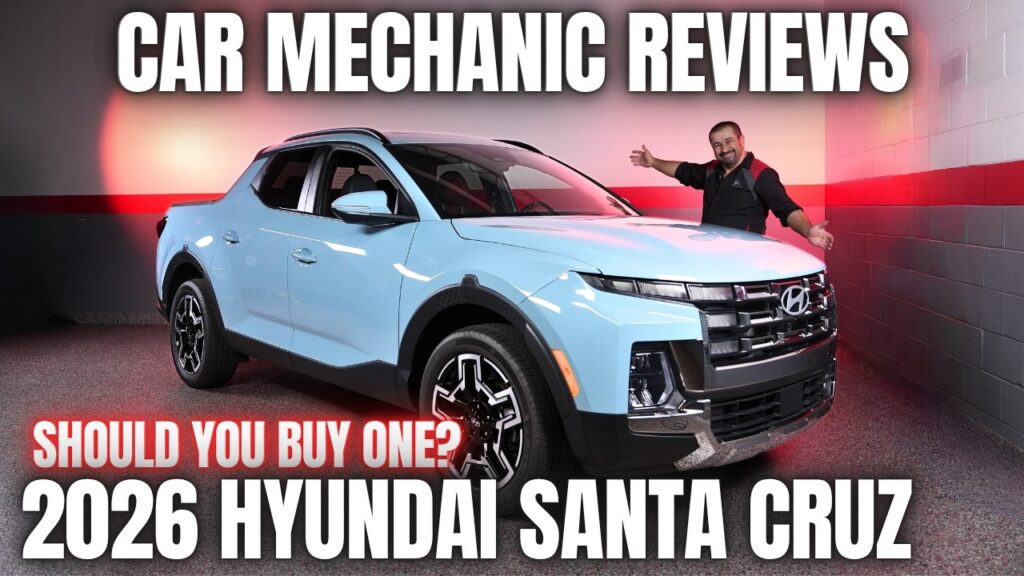
Evidence on long-term reliability for this generation is still emerging, and owner forums show a mix of experiences. Maintenance costs depend on powertrain choice, service intervals, and the complexity of the infotainment system. Verify the current Hyundai warranty terms, included maintenance plans, and any limited-powertrain coverage. Also compare ownership costs with compact trucks and unibody rivals to gauge value.