As an experienced automotive advisor, I know the questions buyers ask and where mistakes cost time and money. This Car Buying Tips guide simplifies the process with practical steps—from clarifying needs to final paperwork—so you move forward with confidence.

Car buying is not a single moment; it’s a journey with decisions that ripple into ownership costs and daily use. The core idea behind Car Buying Tips is to treat the process as a series of verifiable steps, not a single pressure-filled event. Start by listing your must-haves and nice-to-haves, then translate them into a realistic budget that accounts for insurance, maintenance, fuel, and depreciation. Compare multiple paths: a new car with the latest safety features and a full warranty, or a late-model used vehicle with a known service history and potentially lower upfront costs. Leasing and financing present tradeoffs: a lease can lower monthly payments but limits mileage and long-term flexibility, while financing lets you own but ties you to ongoing interest and maintenance risk. If you drive more than a handful of miles annually, consider ownership cost over monthly payment. For many readers, choosing between models comes down to reliability, safety ratings, fuel efficiency, and the availability of service in your area. In the following sections I’ll explain how to evaluate those factors, verify facts, and negotiate effectively. I’ll also point to related topics like financing options, certified pre-owned versus new, and how to handle trade-ins, so you can build a complete picture before stepping onto a lot.
Before you buy
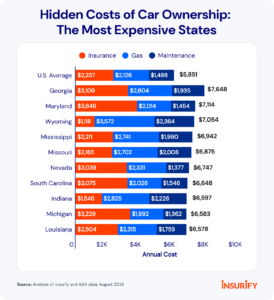
Before you buy, take a structured approach to budgeting and expectations. Start by calculating total ownership costs rather than focusing solely on the sticker price. Depreciation is often the largest hidden cost for most new cars, while insurance premiums, maintenance, tires, and fuel can surprise you if you haven't planned ahead. The first practical step is to set a realistic price ceiling that leaves room for a test drive, pre-purchase inspection if buying used, and a small cushion for unexpected repairs. Then decide on the primary modality: new versus used, or perhaps a certified pre-owned option that balances price with a warranty. Each path has consequences: new cars feel like a safer bet for reliability and software updates, but depreciate quickly in the first years; used cars offer more value at purchase but may require more diligence in history checks and potential maintenance. If you are considering leasing, compare the total cost of lease over the term including projected wear-and-tear charges and mileage; if financing, shop for loan terms from banks, credit unions, and dealership options. Expect to see incentives or rebates that vary by model year, trim, and region; verify them with the dealer and consult the official manufacturer site for current disclosures. This is where a careful buyer uses a checklist: confirm warranty coverage, obtain a vehicle history report for used models, arrange a trusted mechanic inspection if possible, and verify that the car has a clean title and no outstanding recalls. For deeper study, read our guides on certification programs, trade-in appraisal methods, and comparing dealer financing versus external lenders.
Next, the practical checks begin. A thorough test drive should cover city and highway acceleration, braking feel, steering response, and clutch or transmission behavior if applicable. Inspect exterior for mismatched panels, rust, or signs of flood damage; look under the hood for leaks and abnormal wear. Inside, test all electronics, seat comfort, climate control, and infotainment reliability. Check tires for tread depth and uneven wear; verify spare tire and jack presence. Review the maintenance records or service stamps for a used vehicle and confirm that scheduled services were performed. Match the VIN on the car to the documents and ensure the odometer reading is consistent with the vehicle’s age. If you’re buying used, obtain a vehicle history report and consider a pre-purchase inspection by a trusted independent mechanic. Request recall information and confirm that any open recalls have been addressed. Ask the seller for any known issues and take notes during the drive: noises, vibrations, hesitation, or warning lights that behave differently when the engine is cold. Finally, negotiate with purpose: know your walk-away price, avoid emotional bidding, and be prepared to step back if a dealer cannot meet your essential terms. A well-documented process reduces risk and leaves you with clearer choices.
What to compare
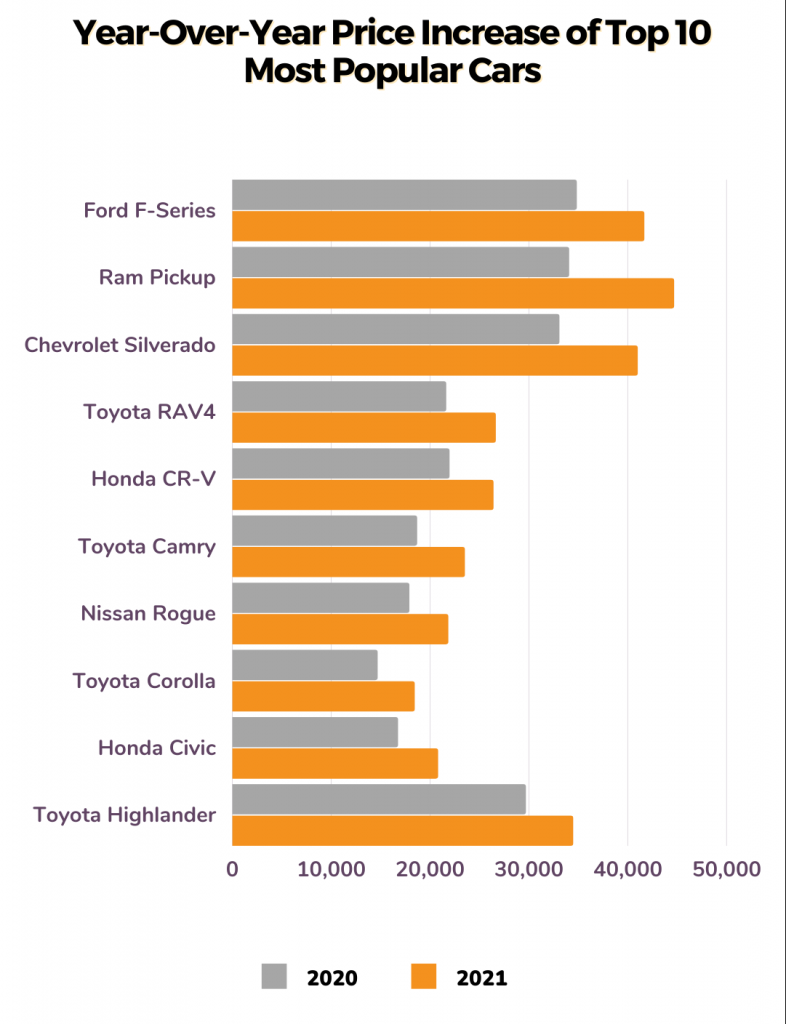
In the comparison phase, you’re evaluating models against your criteria across several domains: price, performance, practicality, and ownership costs. Start with sticker price or negotiated price, but emphasize total cost of ownership over the first five years. Ask for a realistic fuel economy range based on real-world driving similar to yours and consider insurance estimates by trim level. Reliability, safety features, and crash-test results matter, but balance them with your local service network and the availability of quick maintenance after purchase. For used cars, patience matters: seek a known maintenance pattern, recent major services, and a clear accident history. If you’re undecided between several trims, create a side-by-side comparison table in your notes listing key features, warranty length, and expected depreciation. Don’t rely solely on monthly payments; a higher payment today with a longer loan can increase overall interest and extend the time you owe for the vehicle. When it comes to the purchase route, weigh the flexibility of keeping the car longer against potential for higher maintenance costs as the vehicle ages. If you expect to keep the car for a long time, a slightly pricier but more reliable option can pay off in reduced repair bills. Finally, leverage your test-drive notes and the vehicle history data to negotiate confidently, recognizing that every model has its characteristic strengths and drawbacks. Also factor technology and driver-assistance packages, which can raise initial costs but improve long-term value, and consider environmental impact if relevant—fuel and maintenance costs change with powertrain choice. For electric vehicles and hybrids, verify charging options, EPA-equivalent efficiency, and home charging setup costs; understand tax credits or incentives (verifying time-sensitivity). For each candidate, confirm the dealer's advertised specs with the actual vehicle and get a written quote that includes all fees, freight, and handling.

Choosing the right car is not about the flashiest model; it's about aligning your driving needs with what you are willing to own for years. The Car Buying Tips framework above gives you a repeatable process: define your goals, budget for all costs, verify facts, test drive thoroughly, compare options on a total-cost basis, and negotiate with clear limits. Use the pre-purchase checklist, bring a notebook, and insist on written quotes that include all taxes, fees, and potential extras. When you walk away from a deal, you preserve flexibility and avoid pressure mistakes. The best outcomes come from calm preparation and disciplined evaluation, not impulse. Finally, remember that you have internal resources available—our guides on certification programs, trade-in appraisal, and financing options can help you in specific situations. By applying these Car Buying Tips, you can reduce risk, increase confidence, and choose a car that fits your life and budget today and for years to come. After purchase, keep track of maintenance, set reminders for service intervals, and review insurance implications as you adapt to a new vehicle. If you are purchasing used, plan for roadside assistance and a clean title check. For EVs and hybrids, map out charging along typical routes and calculate expected charging costs. In short, treat car buying as a structured project rather than a reactionary event, and use the trusted steps outlined here to stay informed, prepared, and resilient at the dealership.