How to Inspect a Used Car is more than a quick glance under the hood. This guide provides practical steps to assess condition, history, and ownership costs so you can compare options confidently before buying. From exterior and interior checks to paperwork, you will have a reliable framework for any model.
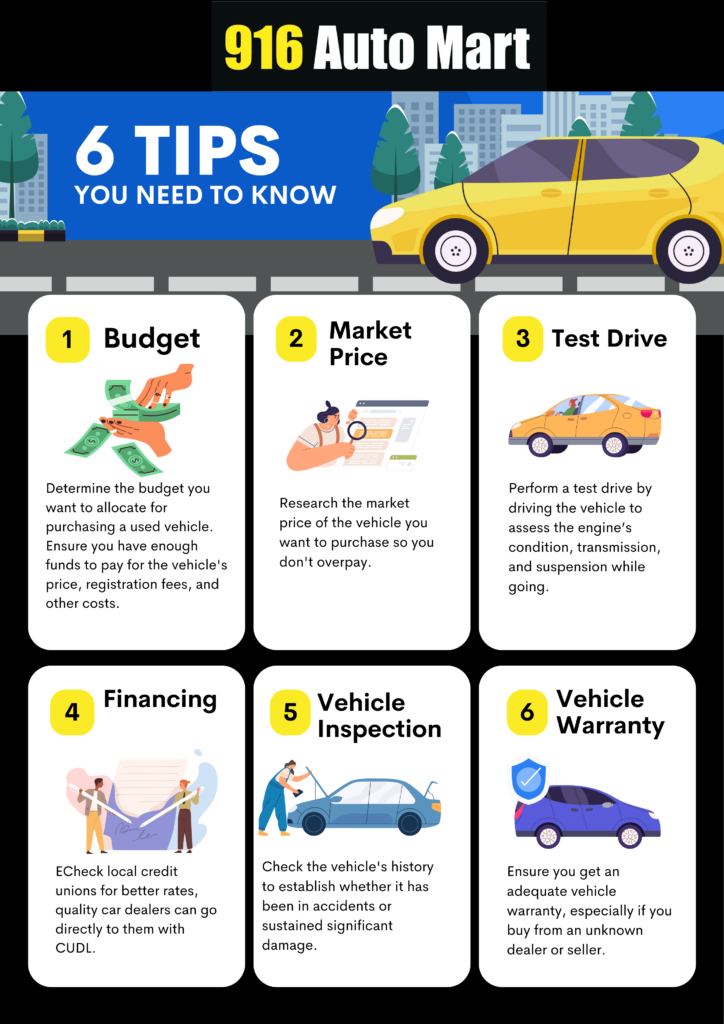
Research-driven by design, this section explains how to assemble a defensible comparison before you visit a seller. Start by confirming your needs: vehicle type such as compact, sedan, SUV, or pickup, typical mileage, and essential features such as safety tech, all wheel drive, and cargo space. Next, identify credible sources of information: manufacturer safety ratings, consumer reviews, maintenance histories, and independent inspections. Use model year and trim to refine expectations; newer years often bring updated safety tech and better efficiency, while lower trims can save money but cut equipment. Compile a short list of candidate vehicles and pull basic pricing from multiple channels, while keeping a record of incentives, financing offers, and potential fees. Ownership costs matter, so estimate fuel economy for your driving patterns, maintenance schedules, tires, brakes, and anticipated repairs. A vehicle history report is crucial: look for prior accidents, service intervals, and the number of owners; verify the odometer with the seller and compare it to the mileage documented in maintenance records. When comparing offers, separate the sticker price from the total cost of ownership over a three to five year horizon, including financing, insurance, taxes, depreciation, and anticipated maintenance. Obtain pre-approval for financing to simplify comparisons and avoid dealer specific terms that can obscure true cost. For insurance, request quotes for the exact vehicle and trim from your carrier and consider the impact of safety equipment and theft risk. Finally, use a decision framework that contrasts options on price, risk, reliability, and coverage. This approach helps you understand which vehicle aligns with your budget and lifestyle, rather than chasing the latest feature set or a single best choice.
Define Your Requirements
Exterior and interior inspection should start with a careful walkaround. Look for dents, scratches, rust, and mismatched paint that might indicate previous repairs or flood exposure. Check panel gaps; uneven gaps can signal frame damage or improper alignment. Inspect glass for cracks and chips, lights for moisture inside lenses, and tires for tread depth and even wear. Under the car, scan for fluid leaks, rust, or bent components in the suspension. Inside, sit in all seats to test for comfort and wear; check the upholstery for rips or stains; test seat adjustment controls; ensure the seats and belts latch properly. Start the engine and observe any smoke, listen for unusual noises, and verify the instrument cluster lights come on and bright. Turn on the air conditioning, heater, and audio system to verify functionality. Look for warning lights that stay on after startup; check the odometer against the service records and the title. Evaluate the condition of the exhaust, the sound of engine idle, and the feel of steering and braking. If the vehicle has a sunroof, test it for smooth operation and leaks. Verify that all recalls have been addressed by checking the VIN against maker recall databases. Note any aftermarket modifications or warning stickers that could affect reliability or insurance. Keep a meticulous record of all findings so you can compare vehicles on the same criteria. A thorough exterior and interior inspection reduces the risk of costly surprises after purchase.
Mechanical and systems check: The health of the powertrain and chassis often determines long term costs more than the latest gadget. Begin by checking fluids: oil should be clean and at the proper level; coolant should be crystal clear or greenish with no oil sheen; transmission and brake fluids should be present and free of burnt odors. Look for leaks around the engine, valve cover, oil pan, and transmission. Inspect belts and hoses for cracks or signs of aging. Listen for clunks or grinding in the suspension when driving over bumps. On the road, notice how the car accelerates, idles, and shifts gears; ensure the transmission engages smoothly without slipping or hard shifts. Brake performance should be firm with progressive pedal feel and without pulsing. Steering should be precise with minimal play. If feasible, test both city and highway driving to gauge alignment and vibration, and note any abnormal exhaust smoke: thin smoke on startup may indicate oil burning, while dark smoke on acceleration can signal engine issues. An OBD-II scan or professional pre-purchase inspection can reveal pending trouble codes, misfires, or pending recalls. Pay attention to the cooling system during a gentle highway run and when the air conditioning is running; overheating and leaks can indicate radiator or water pump problems. Record any service or repair needs that a mechanic flags, and compare them to the seller's claims. This mechanical snapshot informs your negotiation and helps forecast future maintenance costs.
Financing Realities
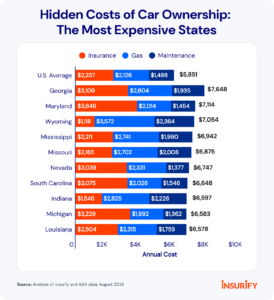
Negotiation, documentation, and ownership costs: After you have identified a few viable options, use a consistent framework to compare offers. Start with the price tag and then add financing terms, taxes, registration fees, and any dealer add-ons. Gather a vehicle history report, maintenance receipts, and the results of any pre-purchase inspection to support your negotiating position. If you plan to trade in a vehicle, obtain independent quotes and be prepared to discuss its condition honestly; a low trade-in value can be offset by a lower purchase price. Consider the value of a warranty or certified pre-owned program, and read the fine print to understand coverage limits, deductibles, and eligibility. Do not overlook insurance costs; even a small difference in model year or safety features can affect premiums. Build a simple cost-of-ownership model that includes depreciation, fuel costs, maintenance, parts, tires, insurance, and taxes over a typical ownership horizon. If you have competing offers, request a written price breakdown and, where appropriate, ask for a data-backed explanation of any difference in terms. Finally, assess risk tolerance and timing: a delayed purchase or extended negotiation window can yield a better deal, but it may also carry opportunity costs. By anchoring decisions in a transparent framework, you will improve your odds of a fair outcome for your budget and goals.

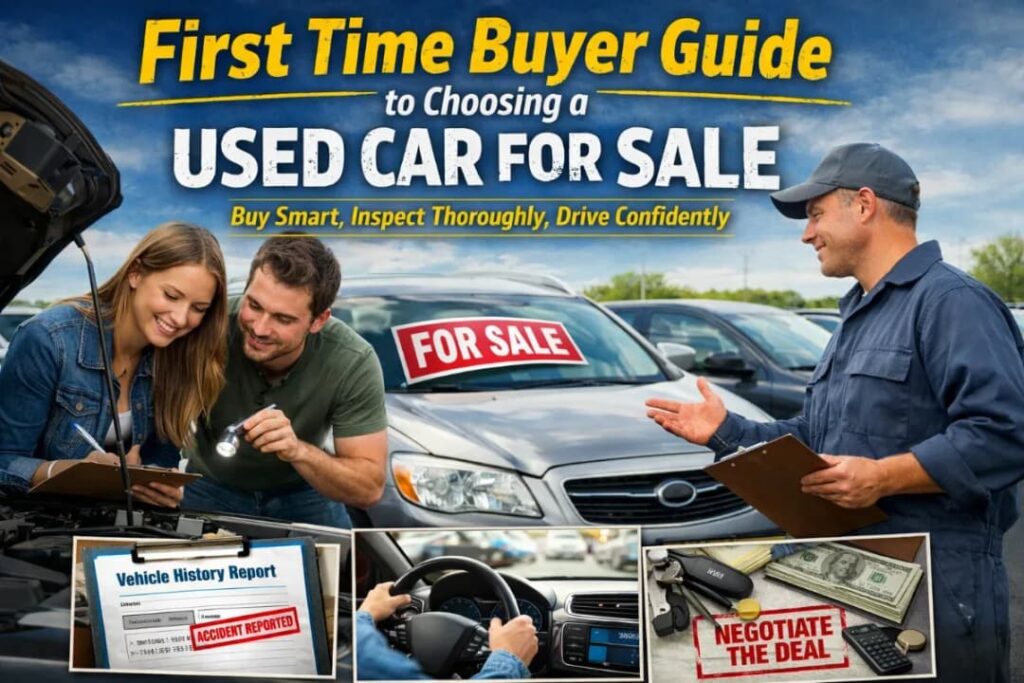
Inspection day preparation: bring a reliable flashlight, a tire tread depth gauge, a small magnet for detecting filler metal, and a notepad to record observations. Have a trusted friend or a professional mechanic accompany you to provide a second pair of eyes. Gather documents beforehand: the title, current registration, loan payoff statements if any, last service records, and any recalls or notices received from the seller. Before you start, verify the VIN on the car matches the documents and the vehicle identification number on the title. Run a quick online recall check using the VIN and check for open campaigns; cross-check reported mileage with service stamps to detect discrepancies. During the drive, listen for unusual noises, note transmission behavior, braking response, steering feel, and vibrations at highway speed. After the test drive, re-check for leaks and re-inspect the exterior and interior for any changes that may have occurred during the drive. If anything seems off, consider pausing the purchase and scheduling a full professional inspection. This workflow is designed to minimize surprises and support a fair evaluation.

Conclusion: Across all candidates, what matters most is how well a vehicle fits your budget, needs, and risk tolerance. The most reliable path is a structured, research-driven comparison that combines a thorough inspection, verified history, and transparent ownership cost estimates. By separating the upfront price from long term costs and by testing both the car and the terms of sale, you empower yourself to choose the option that aligns with your goals rather than chasing a single best choice. Use the questions, checklists, and decision framework outlined here to guide every used-car purchase, and remember that the right car is the one you can own with confidence and predictable costs. To stay consistent, draft a short decision matrix before you walk away from any car. List the must-have features, the deal breakers, and the price you are willing to pay under different financing scenarios. Then compare each candidate on three broad axes: condition and reliability (how likely is it to require costly repairs soon), economic cost (how much you will actually pay over ownership, including depreciation, insurance, maintenance, and fuel), and risk and coverage (warranty options, recall status, and the reliability of service networks). If a particular vehicle checks your boxes on most axes but falls short on one critical factor, document the impact and whether an adjustment in price or terms could compensate. The pillar of this approach is discipline: never rely on a single talking point or a single test result. Instead, aggregate evidence from the inspection, the history report, and the financing terms to form a balanced view. With time, patience, and a clear framework, you can find a used car that meets your needs without overpaying or locking yourself into unexpected costs.