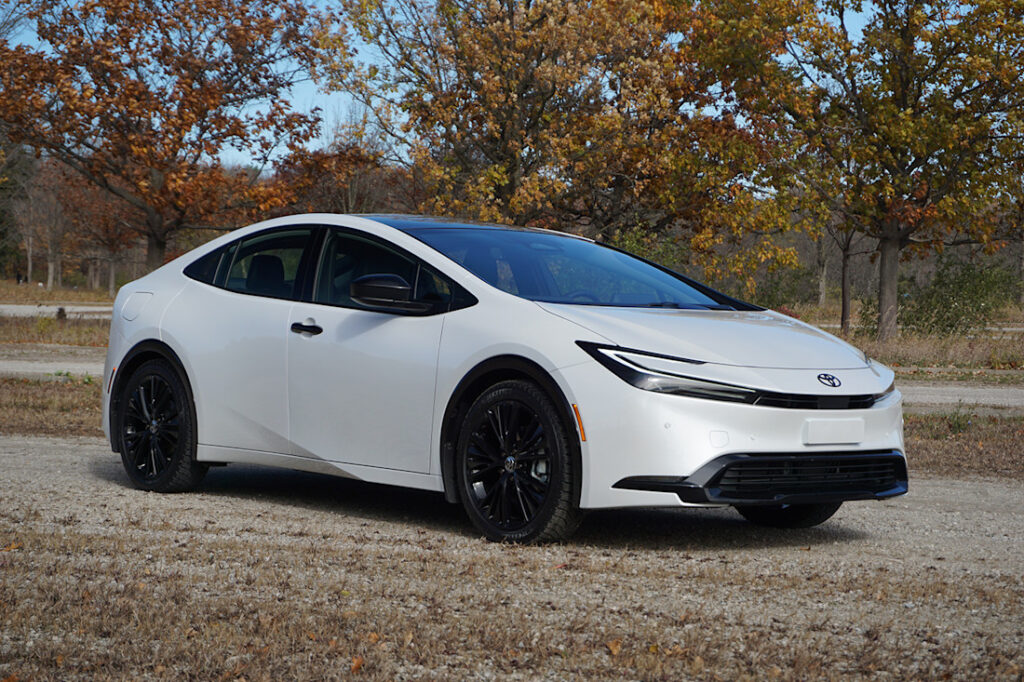
The 2026 Prius remains a family-friendly hybrid, prioritizing space, efficiency, and predictable maintenance. This review traces how each generation and key year changes shape its practicality for daily school runs, carpooling, and weekend trips, while flagging safety considerations and ownership costs that families should verify before buying.
For family use, the Prius offers roomy seating for adults in front and rear, a practical cargo area, and easy daily operation. The hybrid system stays relatively quiet at city speeds, which helps during kids' naps. Interiors are straightforward, focusing on function over premium materials, with technology that remains accessible for everyday use.
Generations and year differences
The current generation introduced a more modern design and updated infotainment, plus revised suspension and aero. Earlier generations emphasized max efficiency with smaller footprints and lighter hardware. Across model years, AWD options, battery cooling strategies, and feature availability have varied, so compare year-by-year to match a family's needs and expected usage.
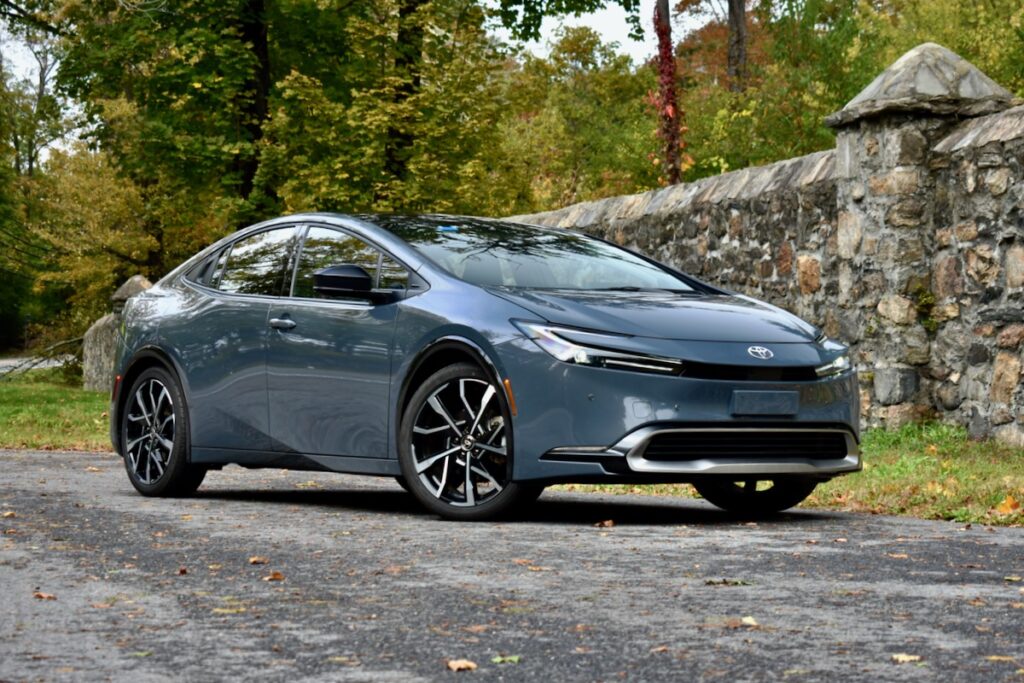
Across generations, the Prius combines a gasoline engine with an electric motor through an electronic CVT, prioritizing smooth power delivery and efficiency. Some trims offer AWD via an additional electric motor. For family use, verify the exact drivetrain option and any maintenance notes tied to hybrid components for the model year you are considering.
Safety and recalls
Safety and reliability information for used Priuses varies by year and region. Independent tests and official safety agencies publish ratings and recall notices that should be consulted by family buyers. Always run a VIN-based recall check and review open campaigns specific to the year you are evaluating.
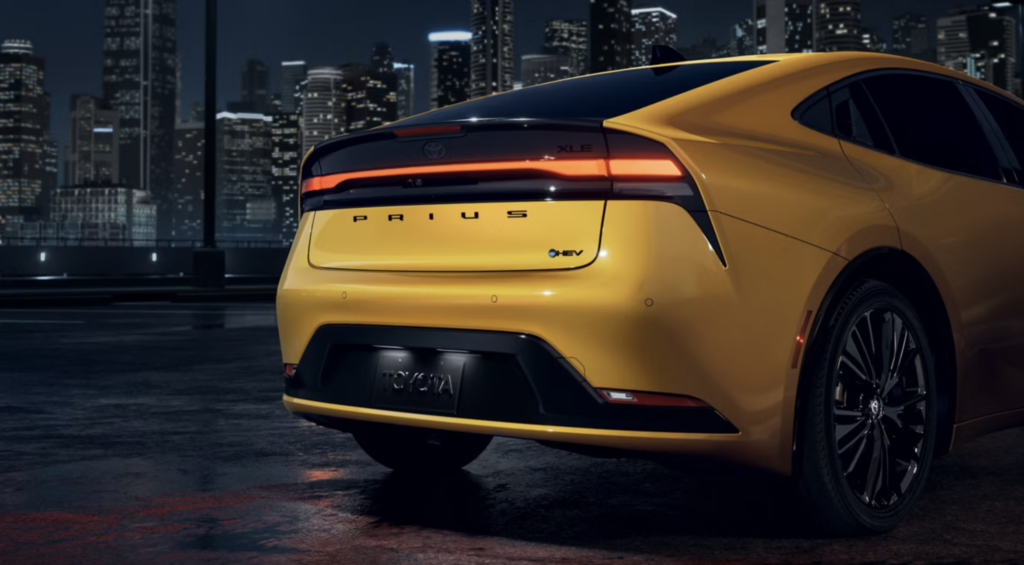
Inspection points for a used Prius include battery health indicators, brake and tire wear, suspension noise, and coolant levels. Check service records for hybrid-system maintenance, cooling-system flushes, brake-fluid changes, and inverter or power-steering warnings if applicable. If possible, arrange a certified pre-purchase inspection and confirm whether any extended warranties or recall work remain active for the hybrid components.
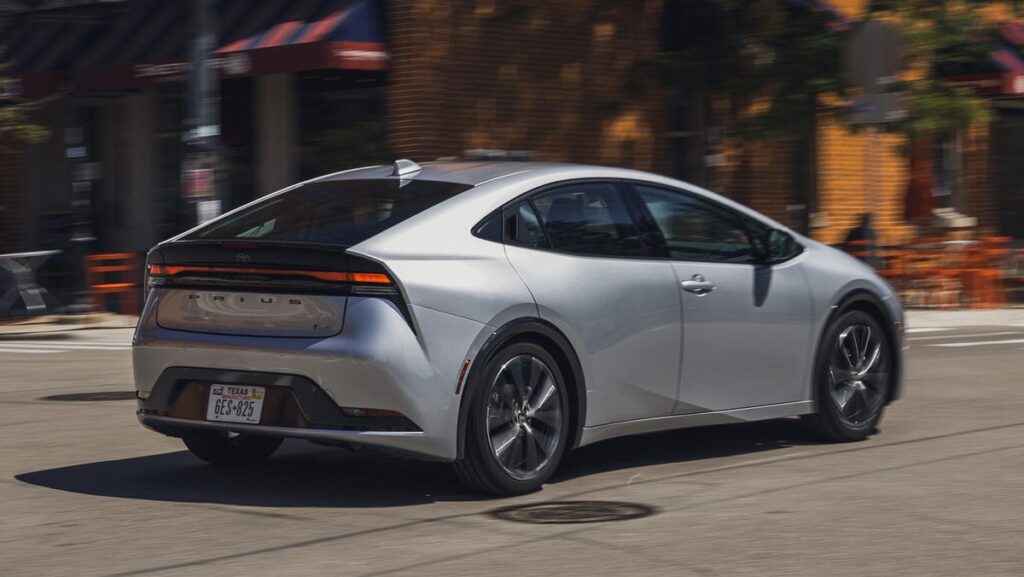
Depreciation and ownership costs for the Prius vary by year and market, but its reputation for fuel savings and practicality often helps resale value within its class. For families, consider insurance, maintenance, and potential battery-related costs, and verify safety features and ratings for the exact year you plan to buy.