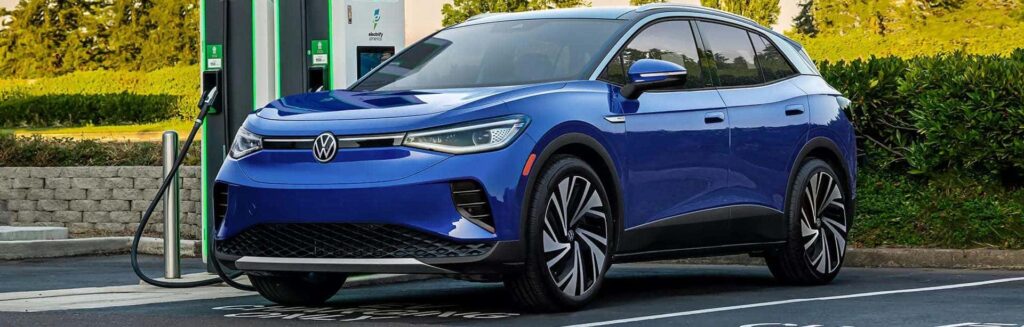
Across its generations, the 2026 VW ID.4 keeps technology at the core, weighing charging tech, software depth, and value against price. This review surveys model-year differences, recalls, and ownership costs with evidence-based clarity, not marketing hype, and explains how OTA updates affect everyday practicality.
Technology drives the ID.4 narrative, and this piece separates manufacturer claims from data. Manufacturer claims about range, charging speed, and OTA updates are weighed against independent tests and safety notices. Owner feedback and editorial observations illuminate real world performance and maintenance needs without assuming perfection.
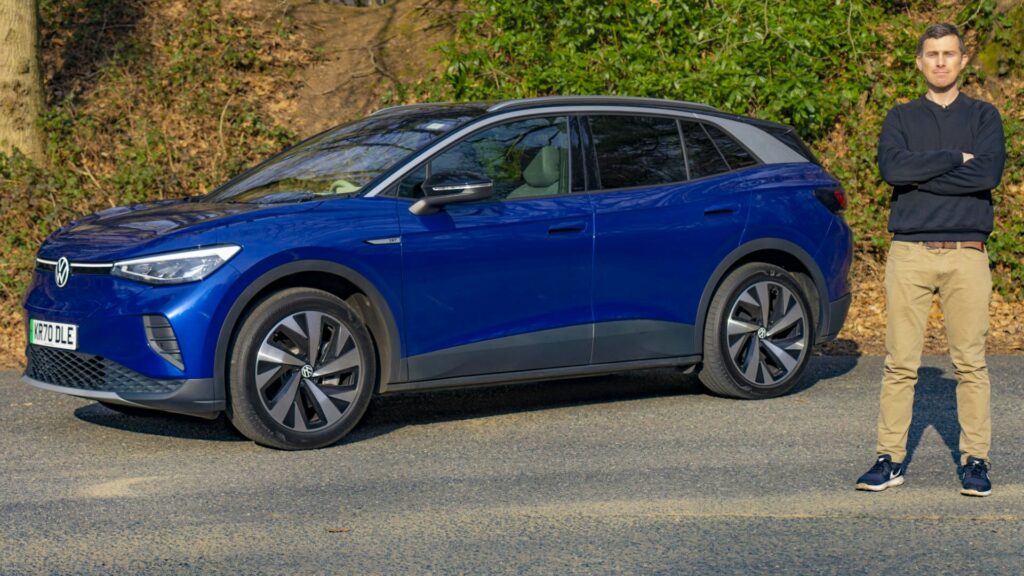
Generational updates
Manufacturer statements describe generational updates to interior tech, software features, and charging integration. Independent tests and owner reports can reveal how those updates translate to daily use, reliability, and comfort. Editorial observations emphasize whether the tech feels responsive and whether OTA updates arrive promptly.
Powertrain for the ID.4 is electric, with a single speed transmission and electric motors, varying by trim and drive layout. Model-year differences may affect motor tuning, battery thermal management, or charging hardware, with some markets offering different charging ports or power delivery profiles. As always, confirm the exact configuration for the car you consider.
Recalls and reliability
Recall history for the ID.4 varies by year and market, and VW has issued notices on software and safety concerns in several cycles. The fact that a recall exists does not inherently signal ongoing problems, but it is a reason to verify service history with a dealer. Editorial observations note that software reliability and battery thermal management are relevant for long term ownership.
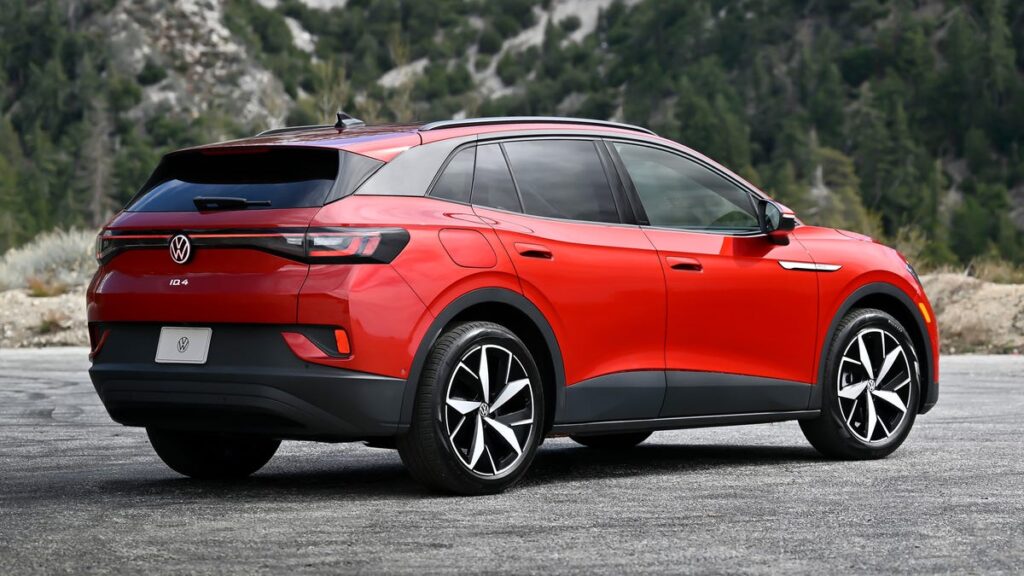
Maintenance focus for the ID.4 centers on battery health, tire wear, brake system performance, and software updates. Check for the latest OTA update status, verify battery warranty length if available, examine regenerative braking feel, and inspect charging hardware for proper operation. Independent tests and owner reports emphasize that keeping software current matters for efficiency and safety.
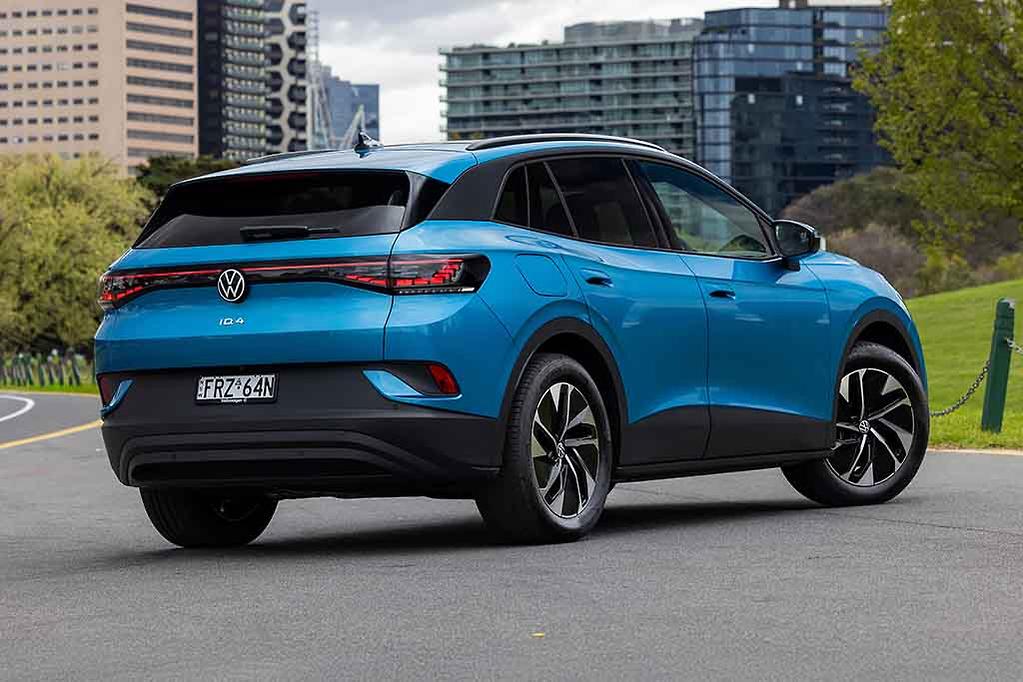
Depreciation and ownership costs. The ID.4 typically follows EV patterning where technology value can be high early but may stabilize over the life of the vehicle. Safety notes and standard or optional features vary by year and trim. Ownership costs depend on electricity prices, maintenance needs, and potential software service costs; verify incentives and insurer quotes for a precise forecast.