Weather can shape SEMA Show 2025 outdoor experiences in Las Vegas, affecting demos, layout, and attendee comfort. Plan with flexible schedules and protective covers, and communicate clearly so activities stay on track even when conditions vary.
Weather planning basics

Before you arrive, monitor official event updates for outdoor changes and rain plans. Pack versatile layers to handle temperature swings between morning and afternoon. Bring weather-ready gear such as canopy sides, tarps, and portable fans to protect equipment and keep displays visible. Ensure crew has waterproof footwear and quick-change options for rainy moments.
Layer strategy
Consider wind and dust as you set up displays, test drives, and portable lighting. Secure banners, cables, and mobility equipment to prevent movement that could cause damage, injuries, or costly downtime. Use weighted anchors and monitor loose parts, plus radios for quick updates. Clear cord routing and signage help guide crowds safely and reduce trip hazards for everyone nearby.

Attendees should bring essentials for changing conditions, including water, sun protection, a light jacket, and portable shade. Plan for longer walk times between venues and keep devices charged. Carry a small rain poncho or umbrella for unexpected drizzle and use lens and equipment covers to protect gear between demonstrations. Knowing where official restrooms and hydration stations are located helps conserve energy.
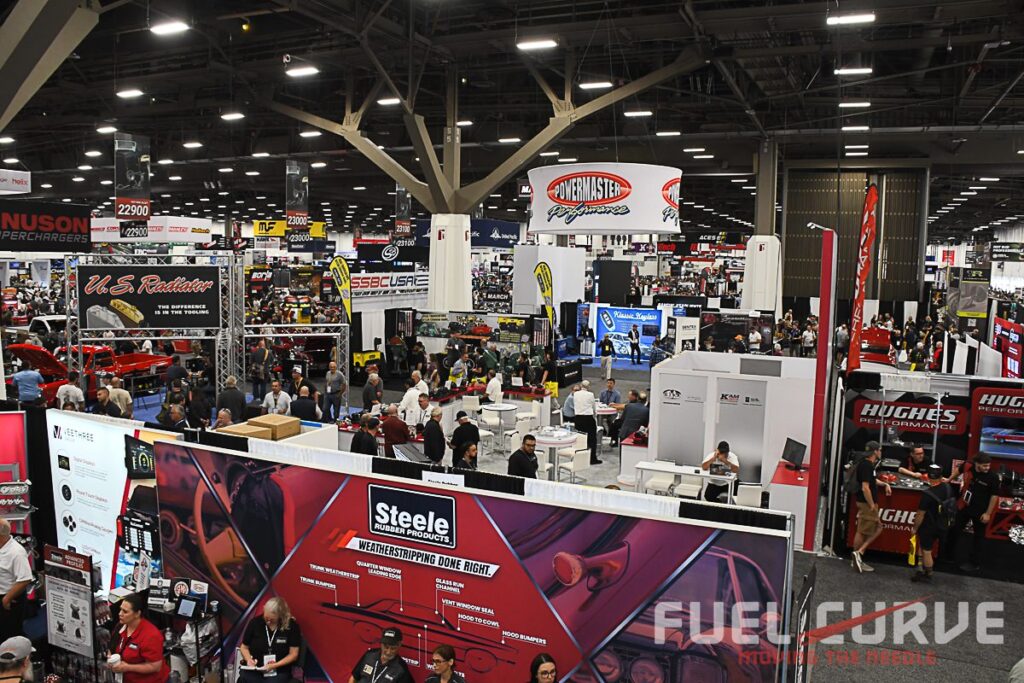
Coordinate with event ops to confirm any rain or wind contingencies and how updates will be communicated to exhibitors. Use clear signage, loudspeakers, or a mobile app alert to inform attendees of pace changes or shelter locations. Establish a rehearsal of the plan so staff can respond quickly if weather requires adjustments.
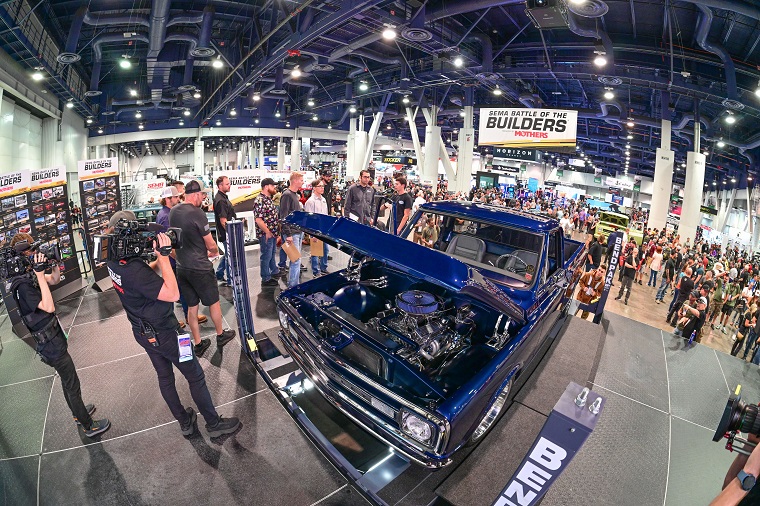
After SEMA Show 2025, review what weather strategies worked and where gaps appeared in setup, signage, or crowd flow. Document which gear, shelters, or cooling systems helped maintain operations. Use this input to refine your contingency plan for future outdoor events and share lessons with your team and partners. A documented plan supports quicker decisions when conditions shift.