Long-term reliability matters more to many buyers than flashy performance or initial cost. In this 2017 Jeep Grand Cherokee Review, we look beyond first-year quirks to how the SUV tends to hold up as miles accumulate and ownership costs shape true value over time.
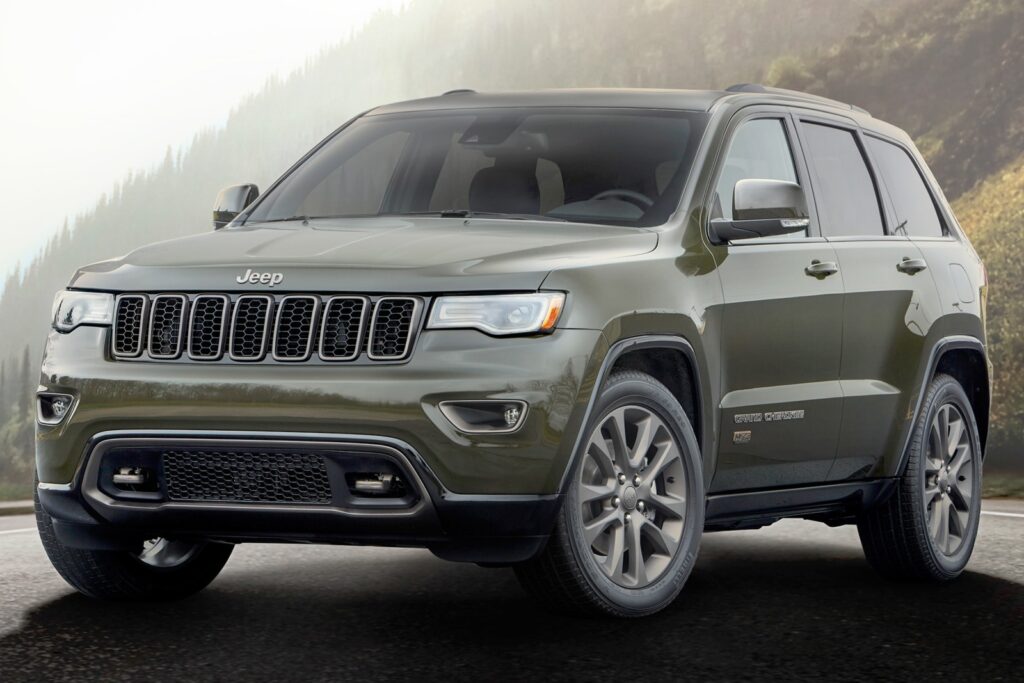
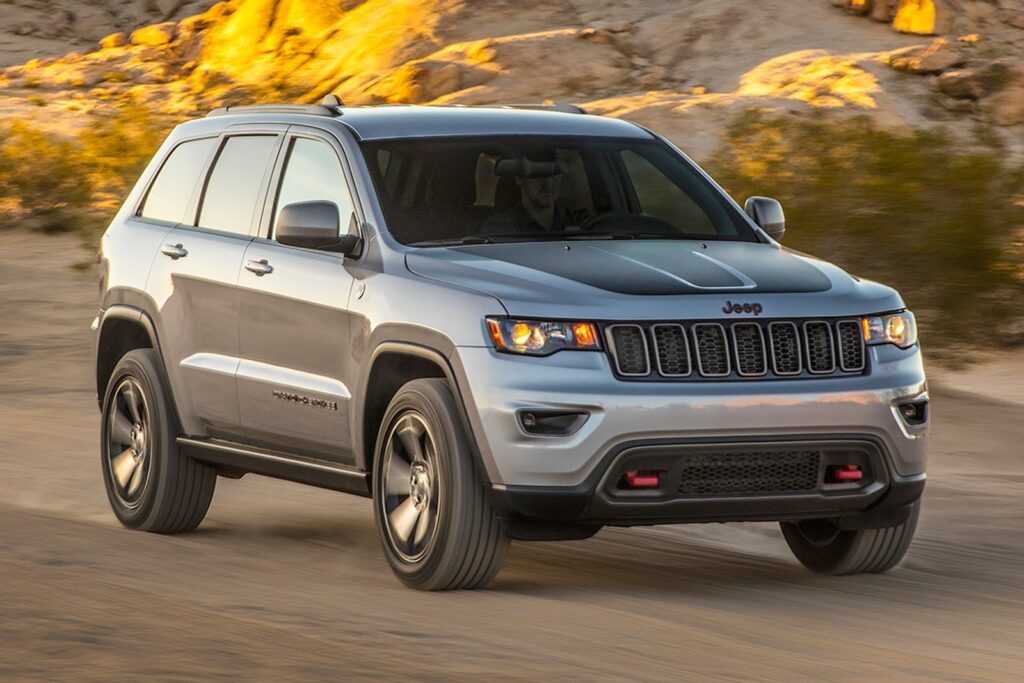
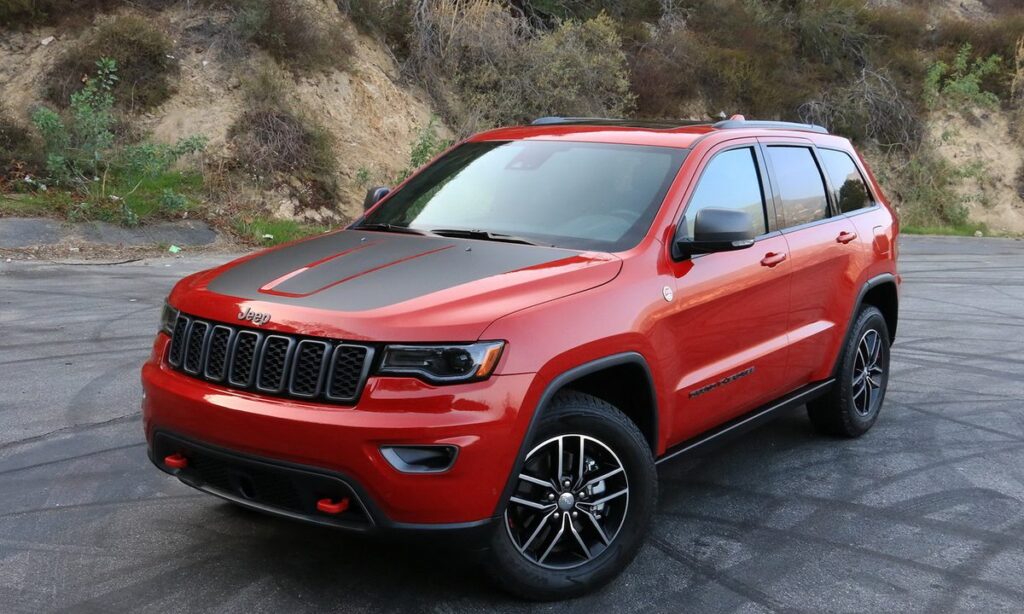
Among midsize SUVs, the 2017 Jeep Grand Cherokee is generally regarded as a sturdy, versatile choice with practical capability. Owners tend to praise its composed ride for daily driving and its confident feel when trails or rough roads appear. The Grand Cherokee’s interior is comfortable and roomy, with usable cargo space and a strong sense of durability thanks to its robust chassis and available four-wheel drive. Reliability here is less about headline scores and more about how the vehicle ages with regular service, exposure to weather, and workmanlike use. While no used vehicle is immune to wear, the 2017 Grand Cherokee tends to reward proper maintenance with steady performance over time. The exact experience can hinge on the engine choice and how the vehicle is used, but when cared for, this model tends to hold up well into the higher mileage range.
Long-term reliability for this Jeep comes from regular care and sensible ownership. The platform is built to handle varied conditions, but a habit of regular oil changes, coolant checks, brake service, and tire maintenance goes a long way toward preventing surprises. In practice, the Grand Cherokee’s reliability shows up as steady operation rather than dramatic breakthroughs; owners who stay on top of service can enjoy consistent performance across many years and miles. The 2017 powertrain options are generally straightforward to support long life when maintained, though added complexity from all-wheel drive or heavy towing can raise maintenance needs slightly. In short, long-term ownership favors careful scheduling, proactive part replacement, and attention to signs something is wearing, because that approach protects peace of mind well beyond the early months behind the wheel.
Wear and Tear
Brakes, tires, and the battery are the triad most buyers should expect to address as miles accumulate. Brake wear varies with driving style and terrain, so regular inspection helps avoid costly surprises. Four-wheel-drive Grand Cherokees often show faster tire wear, making rotation and timely replacement important. A failing battery is common in older vehicles in extreme temperatures, so starting performance deserves quick checks at service. Other routine wear items include wipers, filters, belts, and seals around doors and undercarriage. While these are expected, neglect makes costs climb, so a simple maintenance schedule pays off in fewer downtime events and steadier reliability over time.
Areas Worth Extra Attention
As the odometer climbs, several systems deserve attention to protect long-term reliability. The cooling system should be checked for leaks, hose wear, and coolant level since overheating can impact engine life and air conditioning. Transmission and transfer-case fluids should be monitored and serviced per the schedule, especially in four-wheel-drive configurations. Electrical components and the infotainment system may show age-related glitches, so address warning lights promptly to prevent bigger issues. Worn suspension parts, such as control arms and shocks, can degrade ride and alignment, so periodic inspection helps maintain comfort. In salty climates, inspect for corrosion underbody frame members, and ensure drivetrain seals and wheel bearings remain tight, as leaks or play are easier to catch early.
Resale and Trade-In Value, plus practical tips to extend life and knowing when to sell. A well-documented service history, clean interior, and careful maintenance can help retain value, while high mileage or chronic issues tend to dampen it. If repair bills begin to mount and reliability wanes despite regular care, consider options and timing for selling or trading in. In sum, the 2017 Grand Cherokee can still serve as a capable daily driver for years to come when owners commit to steady maintenance, mindful use, and informed decisions about upgrading when the time is right.