
From the driver's seat, the 2026 Ariya emphasizes smooth acceleration, quiet cabin flow, and confident highway poise. This long-term ownership view centers on driving experience while noting how comfort, charging behavior, and reliability shape everyday usability and value over time.
Documented ownership evidence for the Ariya's long-term driving experience remains evolving, so verification is advised. Reports commonly note a quiet cabin, smooth acceleration, and refined highway manners, especially with the larger wheels avoided. Some owners report slower charging speeds as the battery ages or under cold conditions, highlighting the importance of managing expectations. Independent tests provide baseline drive quality, not a lifetime warranty.
Charging behavior over the life of the Ariya depends on charger availability, climate, and battery aging. Documented owner reports describe routine overnight Level 2 charging at home, with DC fast charging usage varying by model and software. Manufacturer guidance on battery degradation is available, but independent, long-term data remains scarce for many years of ownership.
Charging reality
Maintenance and repairs for the Ariya follow an EV pattern: tire rotation, brake fluid service, and software updates. Documented warranty coverage typically includes a basic warranty and battery-specific term; precise terms should be verified. Reliability evidence is mixed in available industry data, with occasional reports of software glitches or fit-and-finish issues. Owner feedback often emphasizes the importance of scheduled software updates to preserve drive quality.
Warranty and reliability
Depreciation for the Ariya will hinge on battery condition, firmware support, and market demand for EV crossovers. Some observers note that early adopters may see sharper initial value declines than later used models with improved software. In practical terms, shoppers should weigh remaining warranty, potential replacement costs, and the availability of charging infrastructure when estimating long-term ownership costs.
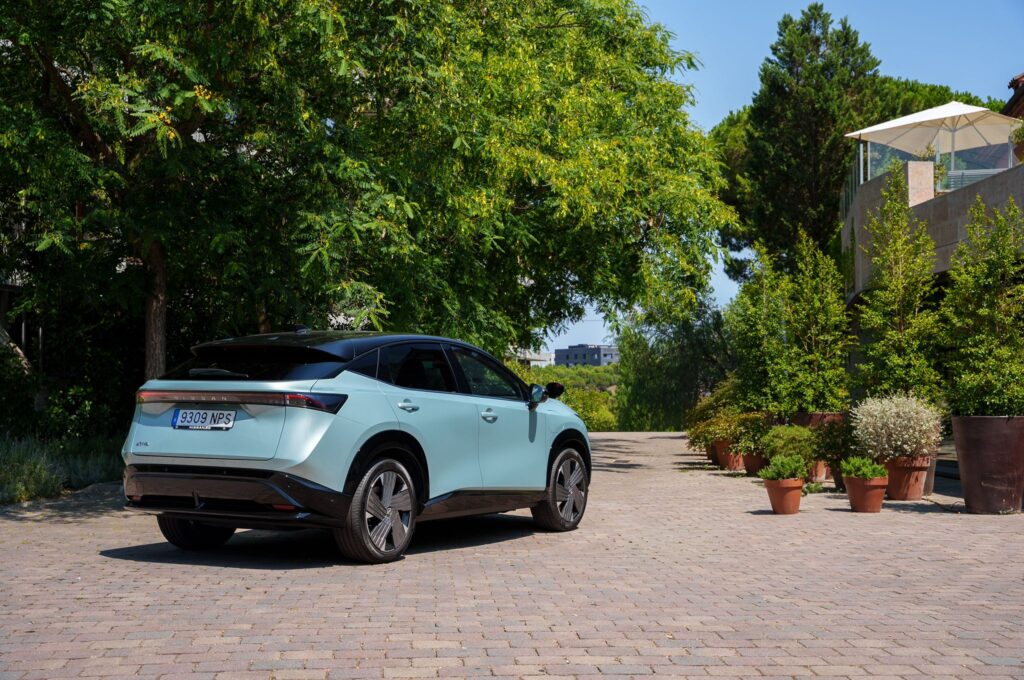
Technology and safety systems include a large touchscreen, driver-assist packages, and periodic over-the-air updates. Manufacturer claims stress seamless connectivity and intuitive controls, while independent tests note variable performance of adaptive cruise and lane-keeping by trim and software version. Safety agency data generally highlights robust crash protection and standard systems, but owner feedback sometimes cites occasional infotainment glitches or soft resets that affect daily use.
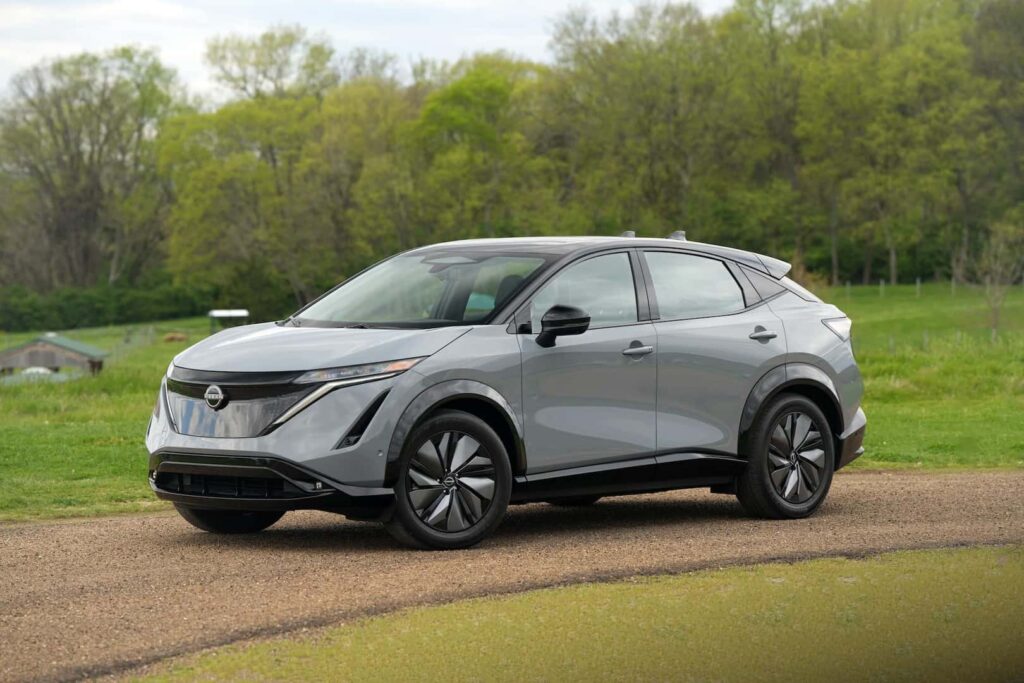
Reliability evidence for the Ariya is sparse beyond manufacturer reports and short-term consumer reviews. Real-world high-mileage concerns include battery degradation, thermal management wear, and the long-term health of electric motors and power electronics. Documented maintenance costs tend to be moderate, but potential battery-related replacement costs should be verified with the warranty and battery degradation terms.
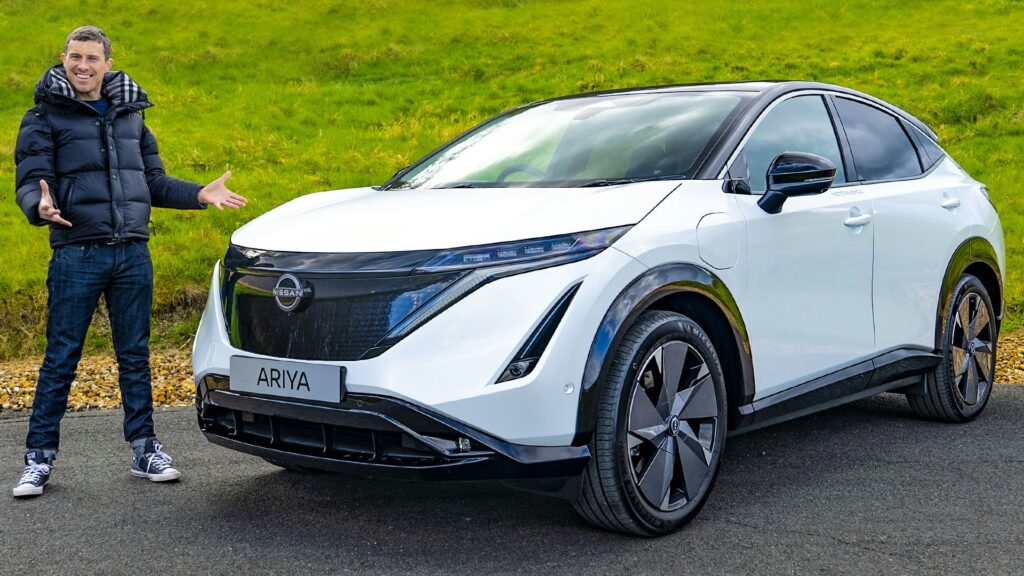
In summary, the 2026 Ariya's long-term ownership story centers on driving experience—calm comfort, refined performance, and charging practicality—balanced against the need for verified battery health data and warranty specifics. Manufacturer claims, independent test data, and owner feedback collectively shape expectations. Verify battery, software support, and maintenance costs with an authoritative source before making a high-mileage commitment.


