2026 Lexus LC refines a legendary GT with quiet luxury and hybrid efficiency, not electrification. There has been no public announcement of an all-electric LC for 2026, so EV range and external charging stay outside its core story. This review weighs energy use, performance, and ownership costs against rivals.
Lexus has not announced a fully electric LC for 2026, making the EV range and charging angle a cautionary note for buyers seeking zero-emission performance in a stylish GT. The core updates this year focus on refinement rather than a new drivetrain, and Lexus observers should verify any late-stage announcements with dealers. In practice, the LC’s energy story still centers on hybrid efficiency and smooth performance, not quick-charge capabilities. Consumers should compare energy costs to plug-in rivals.
On the road, the LC offers a refined, continent-cruiser demeanor that smooths long trips into an almost effortless experience. Ride quality is plush, absorbing pavement imperfections without punishing occupants, while the chassis remains composed at higher speeds. The steering feel is light at city speeds but becomes progressively more communicative as the pace rises. In sport and sport+ modes, the engine and transmission respond crisply, though the car's weight remains noticeable in aggressive cornering.
Powertrain and Efficiency
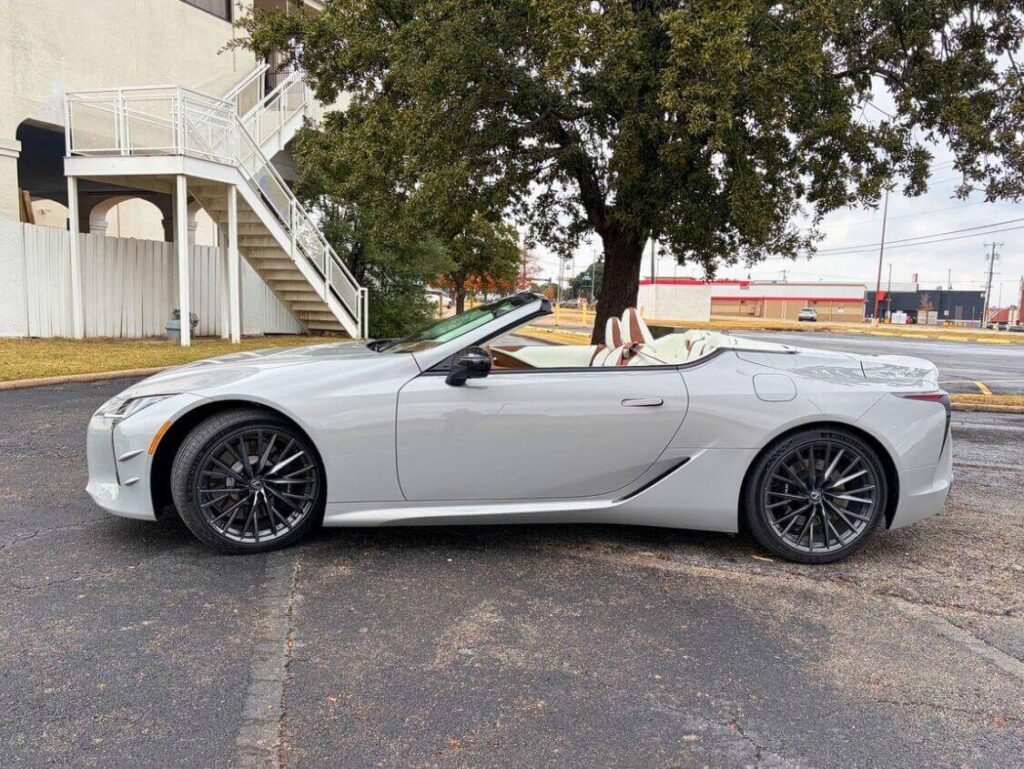
Inside, the LC exudes a quiet luxury feel with restrained electronics and premium materials. The front seats are supportive for long drives, though the rear compartment is best suited for small guests or extra cargo rather than adults. Cabin noise remains well suppressed at highway speeds, underscoring the GT’s long-distance intent. Even with more aggressive styling, Lexus preserves a focus on comfort over aggressive ride hardness.
Technology & Interface
Infotainment and controls in the LC prioritize ease of use, with a clean interface and tactile feedback for primary functions. The dual-screen setup is visually striking, though some users may prefer traditional physical controls for certain tasks. Navigation and connectivity options work with common smartphones, and voice control is reasonably capable in everyday use. Material quality and fit-and-finish reinforce the sense of premium engineering that champions comfort.
On safety, the LC offers a suite of driver-assistance features that align with luxury safety expectations, though exact package content varies by trim and market. Independent safety agencies typically require verification of current ratings, and Lexus will publish updates as needed. The system emphasizes lane-keeping, adaptive cruise, and collision mitigation, but many of these features operate best with stable highway conditions. Prospective buyers should confirm availability in their region.
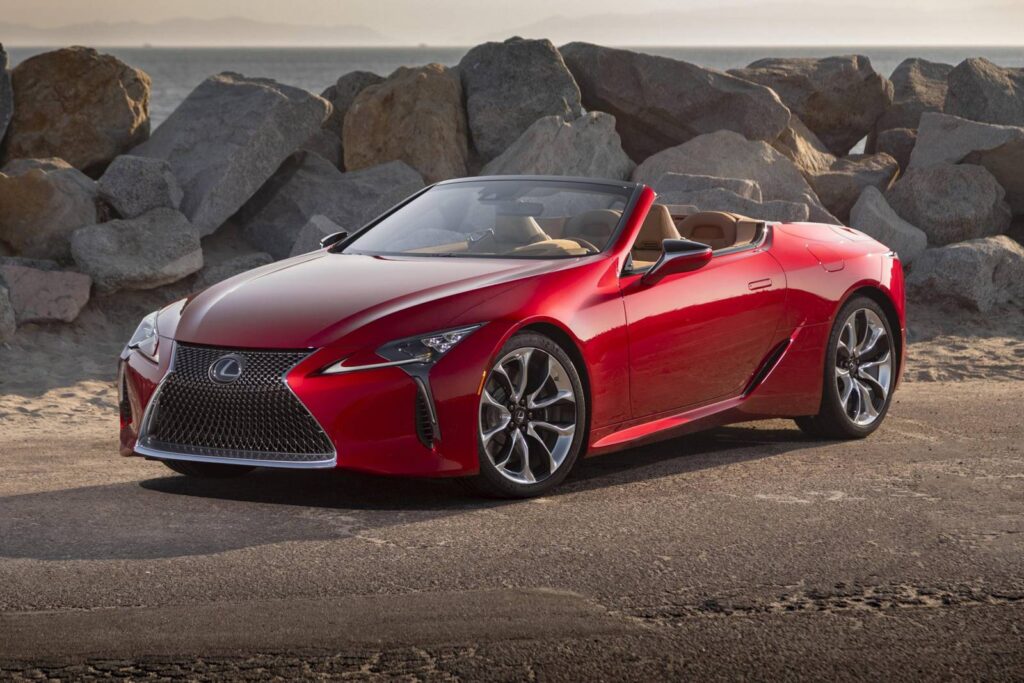
Utility for a grand-touring coupe remains modest; trunk space is limited by heritage-style body work, and rear-seat access is best for occasional passengers. Lexus typically splits LC trims into base and higher-spec packages, with some markets offering additional options, but confirmed details should be checked locally. Competitors include the Mercedes-Benz S-Class Coupe, BMW 8 Series, and Aston Martin DB11, each balancing performance, luxury, and price in slightly different ways. The LC’s strengths lie in refinement, not brute versatility.
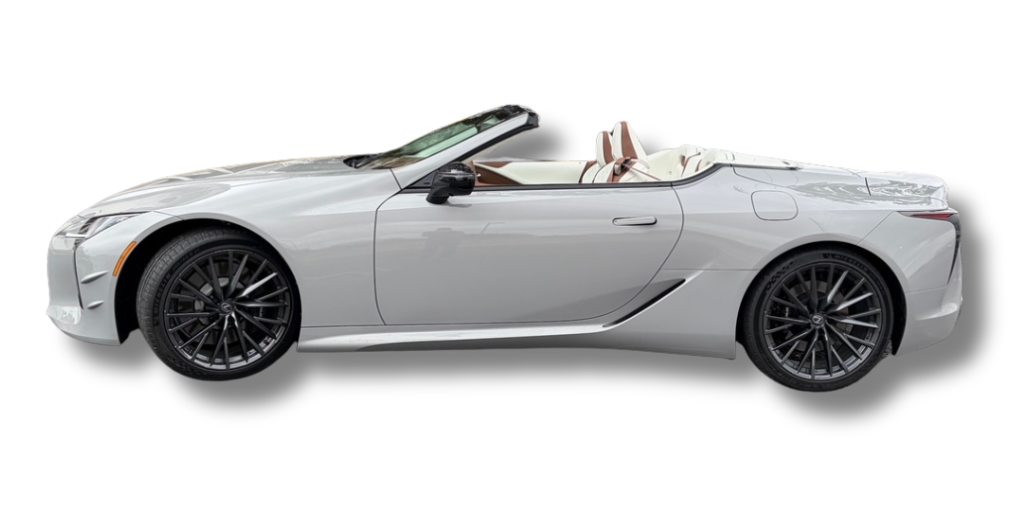
Bottom line: the 2026 Lexus LC appeals to buyers prioritizing refined ride, subdued aggression, and a tangible sense of craftsmanship over the latest EV-charging tech. Reliability evidence and ownership costs require longer-term data; Lexus historically performs well, yet specific 2026 figures should be consulted from manufacturer data and independent surveys. For those who value exclusivity and comfort as a GT, the LC remains compelling, albeit not a plug-in solution.