Among used compact SUVs, the 2026 Cherokee offers a roomy cabin and practical capability, but ownership costs depend on trim and maintenance history. This review favors real-world evidence, clearly separating maker claims, independent data, and owner feedback to help buyers decide.
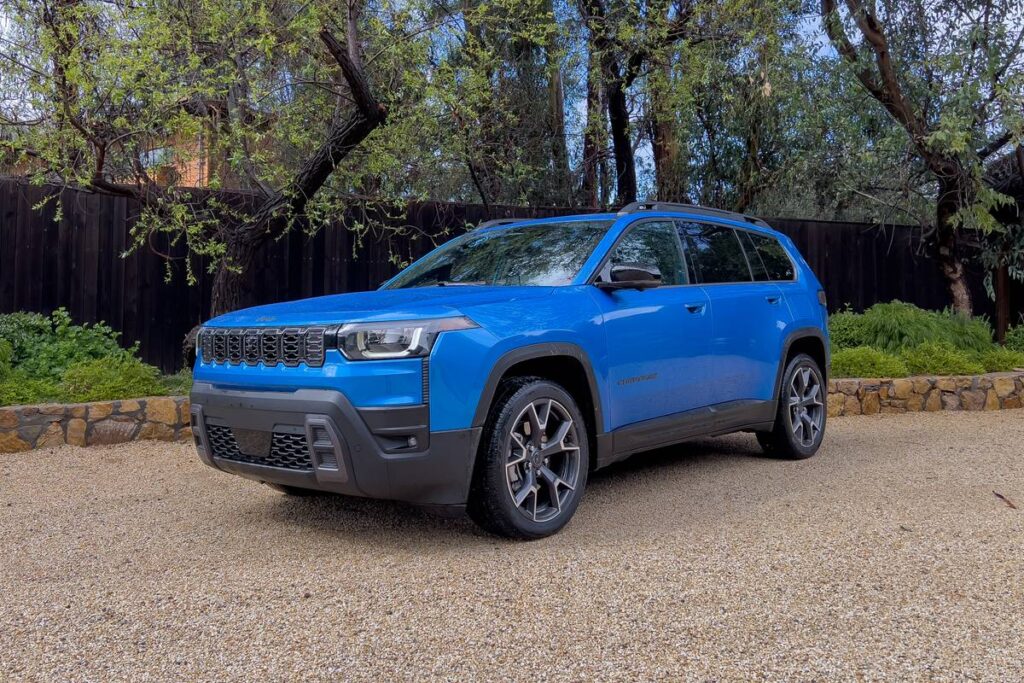
Used-buyers should start with a clean maintenance history and, if possible, a certified pre-owned warranty. Depreciation tends to hit higher trims harder, so negotiate based on verifiable history rather than showroom appeal. Ask for full service records, a recall check, and evidence of recent brakes and tires. During a test drive, listen for transmission shifts, steering feel, and any wind or road noise that could predict future repair needs.
Used-Buyer Takeaways
On weekday commutes, the Cherokee's size helps in tight parking but still feels substantial compared with small crossovers. The ride generally soaks up rough pavement, though some trims feel firmer on broken asphalt at highway speeds. In traffic, you’ll find the steering easy to maneuver and the brakes predictable, which eases stop-and-go moments. On longer trips, the cabin remains comfortable and the highway wind noise stays in a tolerable range.
Passengers find seating comfortable for adults, with ample headroom and usable rear legroom. The cargo area suits daily chores, though awkward shapes can be awkward to fit into the opening. Interior materials improve with higher trims, creating a quieter cabin and a more premium feel. In daily use, the Cherokee emphasizes practicality over luxury, which suits many used buyers.
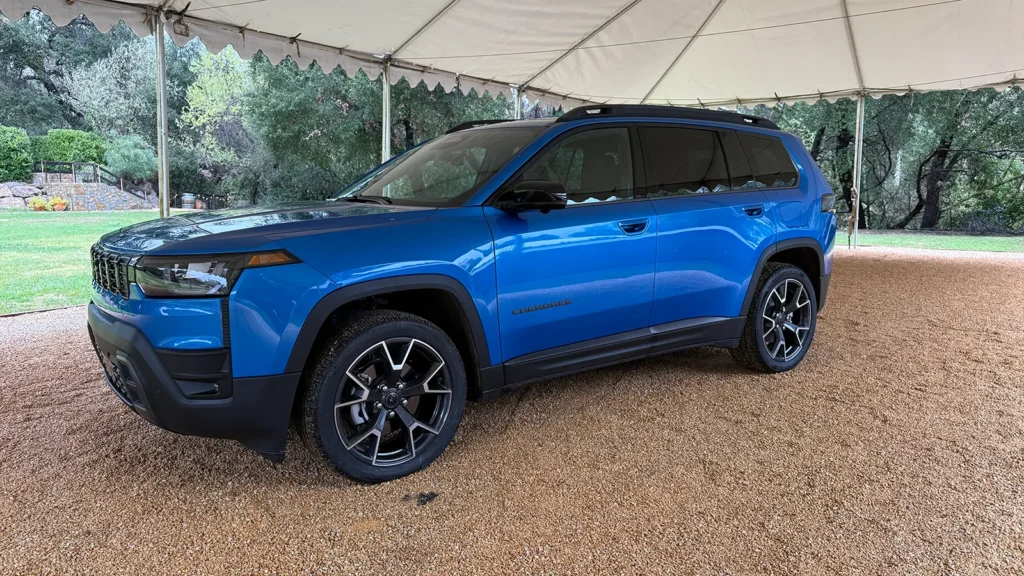
Ride and interior practicality
Tech-wise, the Cherokee provides a user-friendly infotainment system with smartphone integration, though touchscreen responsiveness can vary by year and trim. Safety tech is available, including adaptive cruise and assistive tech, but verify these systems work reliably on a used unit since sensors can drift with wear. Independent tests, safety-agency ratings, and owner feedback should guide warranty and maintenance expectations, as actual reliability varies by vehicle history.
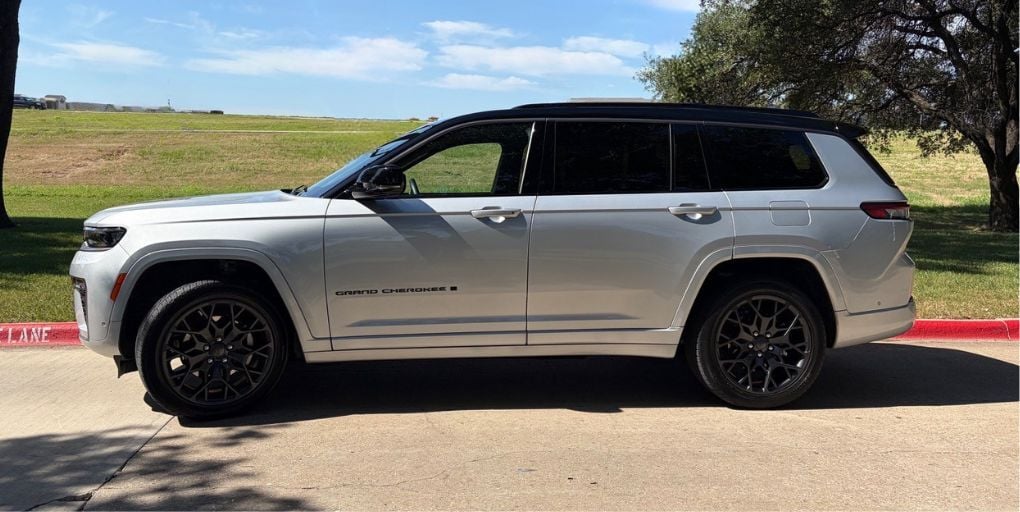
Fuel economy or EV range is a real-world consideration; if your unit uses a conventional engine, expect real-world figures to depend on driving style and load. An efficient route, proper tire inflation, and light payload help maximize efficiency. For used ownership, factors like prior off-road use, service intervals, and aftersales support shape long-term costs and satisfaction. Rely on independent reliability data and owner reports to gauge long-term ownership.
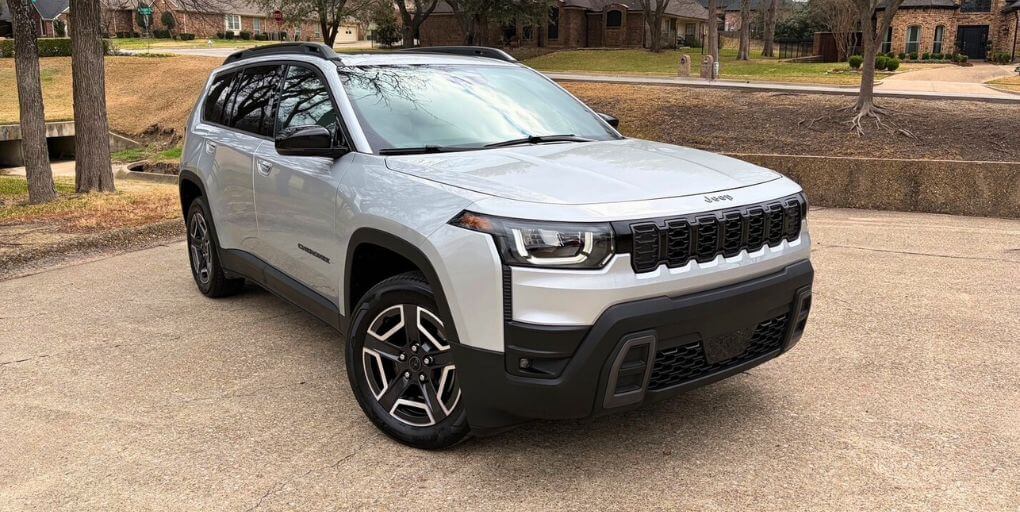
Bottom line for a used Cherokee is to balance price, history, and the warranty you can secure. It can deliver practical daily usability, moderate comfort, and solid capability, but ownership costs may rise if maintenance was deferred or if frequent service is needed. Collectively, the evidence from manufacturers, independent testing, and owners suggests that a well-documented unit with current maintenance and a strong CPO plan offers the best odds of positive ownership.