This 2026 Ford Mustang used-car review centers on model-year changes, showing how generation traits, engine options, and feature packages influence value. It keeps a consumer-focused lens on reliability signals, recalls, and ownership costs, with clear notes on where facts come from and what should be verified.
Model-Year Changes
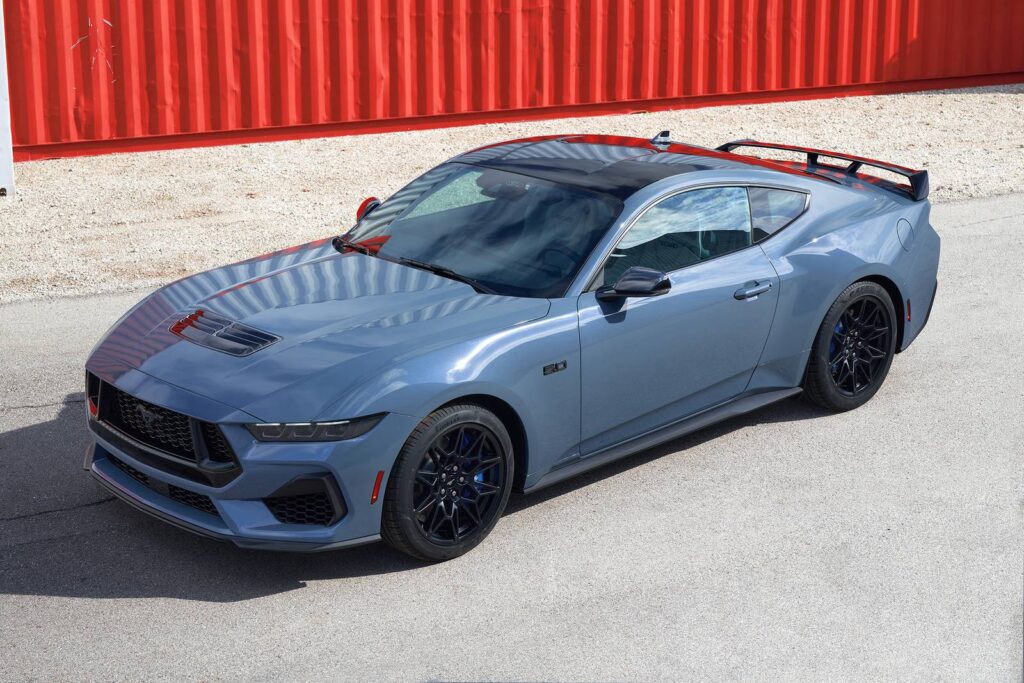
Model-year changes for 2026 are the reference point when judging a used Mustang, since Ford typically bundles revisionary tweaks into mid-cycle updates rather than a full redesign. The result is a mix of familiar drivetrain options and updated trim levels that can affect value, equipment, and reliability signals. Buyers should confirm official specs from Ford for the exact 2026 configuration before committing.
Powertrains and Transmissions
Engines and transmissions for the Mustang lineup in recent years have commonly included a turbocharged 2.3-liter EcoBoost and a naturally aspirated V8, paired with manuals or 10-speed automatics in current generations. For 2026 specifics, verify the exact pairing with Ford's official spec sheet and dealer documentation. Independent reviews and owner feedback can reveal real-world behavior, but keep in mind model-year changes may vary by trim.
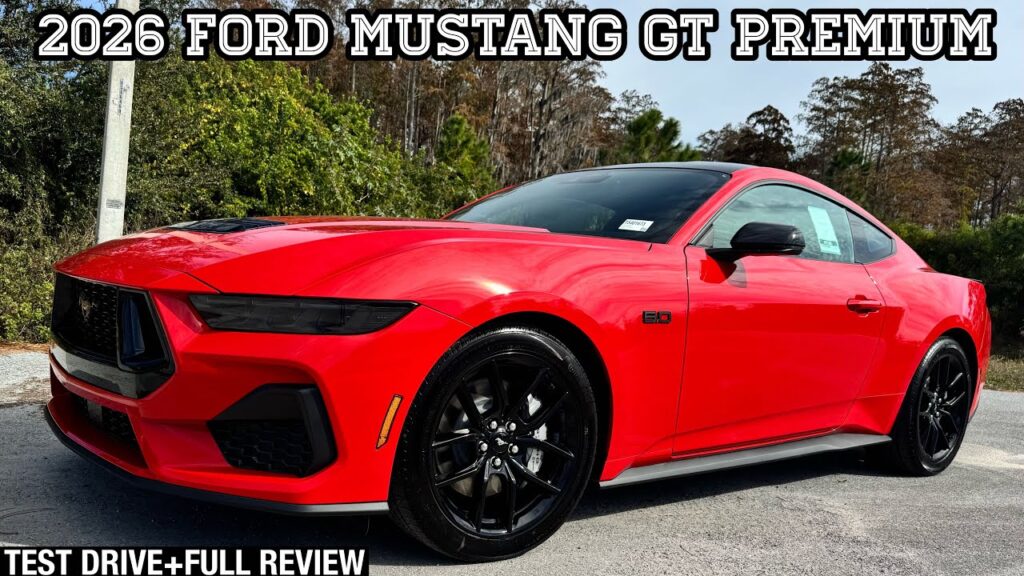
Recalls and safety status for 2026 Mustangs should be checked via NHTSA or Ford directly, since early-year campaigns may differ by region and trim. Ford's claims about safety features are best compared against independent safety tests and owner experiences. Maintenance and routine service intervals follow the current generation's guidelines, but inspection points such as engine cooling, transmission behavior, brake wear, and electrical health should be verified by a qualified tech.
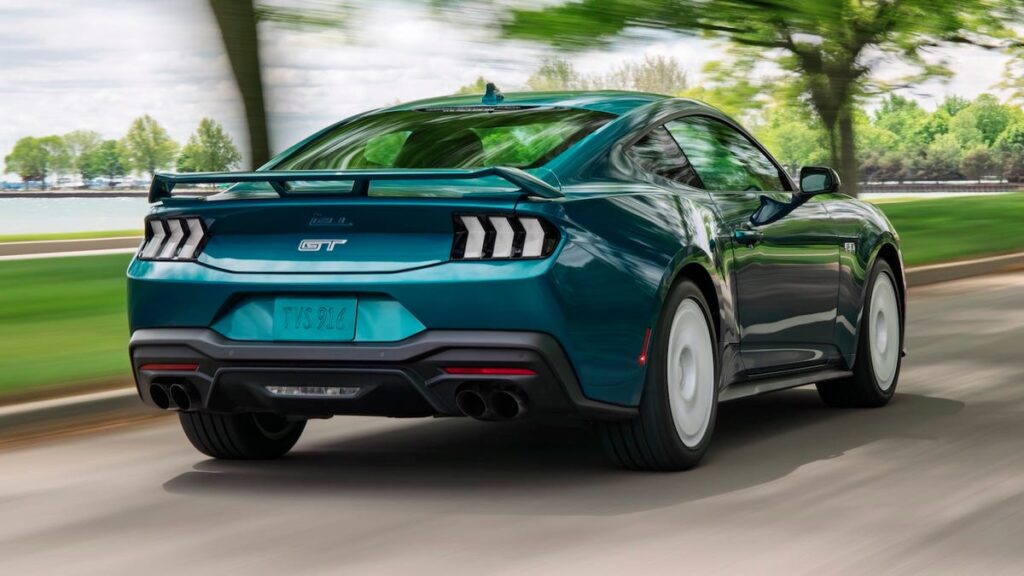
Reliability evidence for a 2026 model is not yet robust; early owner feedback varies by trim and engine. Depreciation for late-model Mustangs tends to be noticeable in the first years, and ownership costs depend on maintenance, fuel economy, and insurance. Expect some variation between trims and options as more data becomes available.

Ownership considerations and model-year differences matter most when evaluating a 2026 Mustang used car. Expect confirmation of exact engine and transmission pairing, recall status, and maintenance history. Use manufacturer sources, safety agencies, and independent reviews to verify claims, and plan inspection points with a qualified technician before purchase.