On a damp highway on-ramp, the Forester slides into merging traffic with a calm, composed presence. The cabin buffers wind and road chatter just enough to feel settled, not loud. It invites a real-world listening to how it actually drives, not just what the brochure promises.
Acceleration and Power Delivery: The Forester builds speed with a steady, approachable feel. In daily driving, throttle response is forgiving, which makes merging and passing less stressful. The power seems to come on smoothly, and the transmission shifts quietly, helping the ride stay relaxed at typical highway speeds. You do notice a willingness to pull when you need it, without a surge that startles you.
Steering and Handling
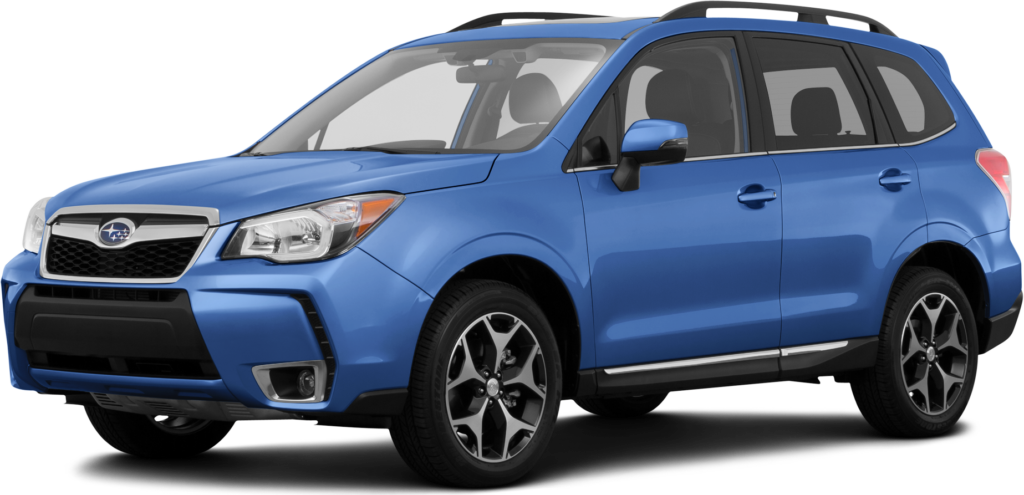
Steering feels balanced, with a mix of light city effort and meaningful weight as you pick up speed. The response is predictable, and the chassis communicates grip through corners rather than masking it. In fast bends, the Forester holds a confident line, aided by steady all-wheel-drive behavior that never feels abrupt or skittish.
Braking Feel: Brakes provide a linear, modulated pedal that lets you judge pressure easily. The initial bite is clean, and you can ease into strong stops with confidence, even when the road surface isn’t ideal. In steady traffic or sudden stops, the braking feel remains calm and controllable, which supports a relaxed driving style.
Braking Feel
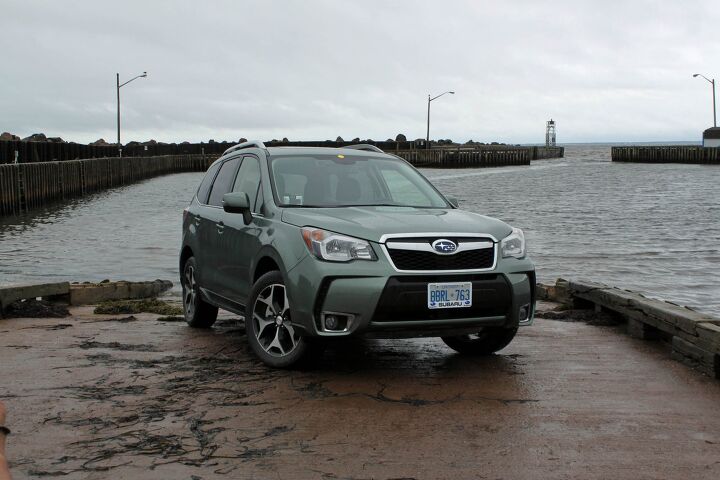
Ride Comfort vs Sportiness: Ride quality walks a careful line between comfort and control. The suspension soaks typical ruts and pavement irregularities without letting the body feel wallowy, yet it never feels overly rigid. When you press a little harder through corners, the Forester remains composed, offering a steady sense of poise rather than a jittery ride.
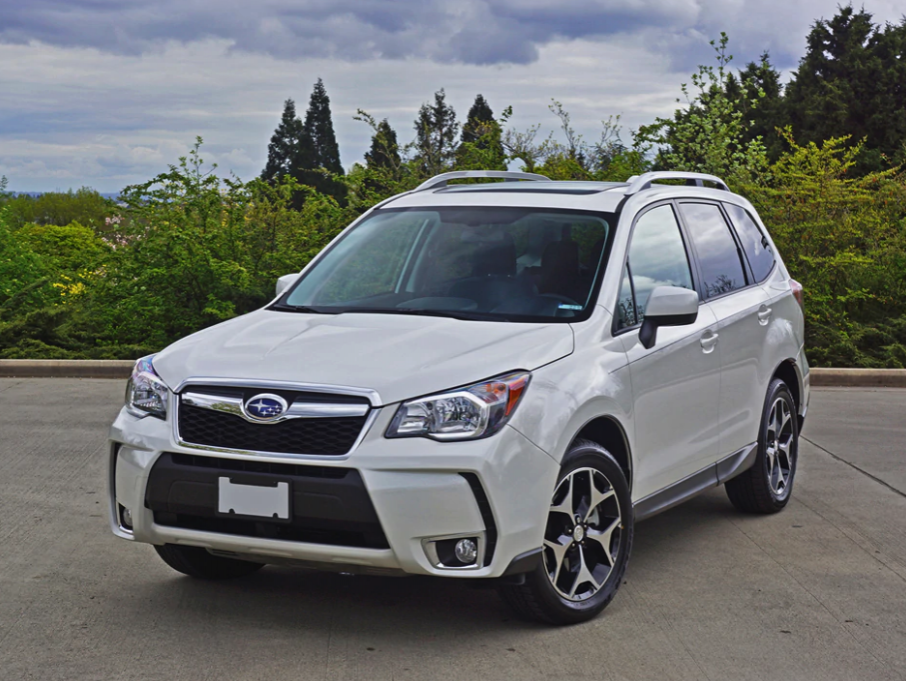
Highway Composure: On the open road, the Forester stays planted as speeds climb, with minimal sway and a reassuring sense of balance. Wind noise is contained at typical highway speeds, so conversations and playlists stay intelligible. Passing power feels accessible, and the overall soundscape remains calm rather than rushing toward the loud side.

Driving Modes and Customization and How It Feels for Everyday Commuting: Driving modes shape the Forester's character for everyday use, from easy commutes to weekend adventures. The modes subtly adjust throttle response and steering weight, letting you tailor how lively or relaxed the drive feels without complicating the experience. For daily commuting, the Forester delivers predictable, quiet, and forgiving performance, which makes every trip feel calmer and more capable. In the end, this 2016 Subaru Forester Review leaves you with the sense that it blends sensible practicality with driving confidence in a way that suits real-world life.