
A good fuel efficient suv can blend everyday practicality with economical driving, offering usable space without sacrificing comfort. This road-test inspired assessment explains how design, technology and power delivery come together to create a compelling daily driver in a crowded market.
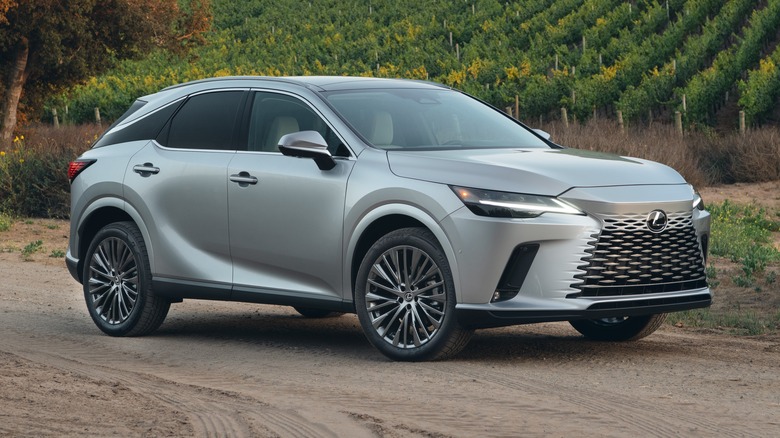
On the highway, acceleration feels measured rather than rapid, yet the efficient powertrain maintains steady momentum for overtakes and merging. In town, light steering and predictable braking make city driving stress-free. Ride quality matters as much as numbers, and a quiet cabin helps keep fatigue at bay on longer trips. The real win is the balance between economy and everyday usability.
Powertrain or Core System
Most good fuel efficient suvs employ a small turbo four or a hybrid system that blends electric assist with a gasoline engine. When running on electric or light-duty loads, you often experience refined quietness and smoother torque delivery. The trade-off is occasional engine shutoff spacing and reduced highway feel under sustained acceleration, where wind and road noise can become noticeable.
Regenerative braking in hybrids helps reclaim energy and smooths the transition between electric-assisted and engine-driven propulsion. In some configurations the throttle response is tailored to preserve efficiency, with eco modes softening throttle tip-in. A well-tuned setup minimizes lag, but turbo-boost behavior can still create a perceptible change in acceleration when the motor switches or the battery state of charge is low.

Technology and Controls
Information displays emphasize efficiency and drive comfort, with eco meters, energy flow diagrams and real-time fuel economy readouts. The controls should be intuitive and reachable, avoiding button overload. Modern driver assistance features like adaptive cruise, lane-centering and traffic-sign recognition add confidence on longer trips, while ensuring the system remains unobtrusive and transparent about what it’s doing.
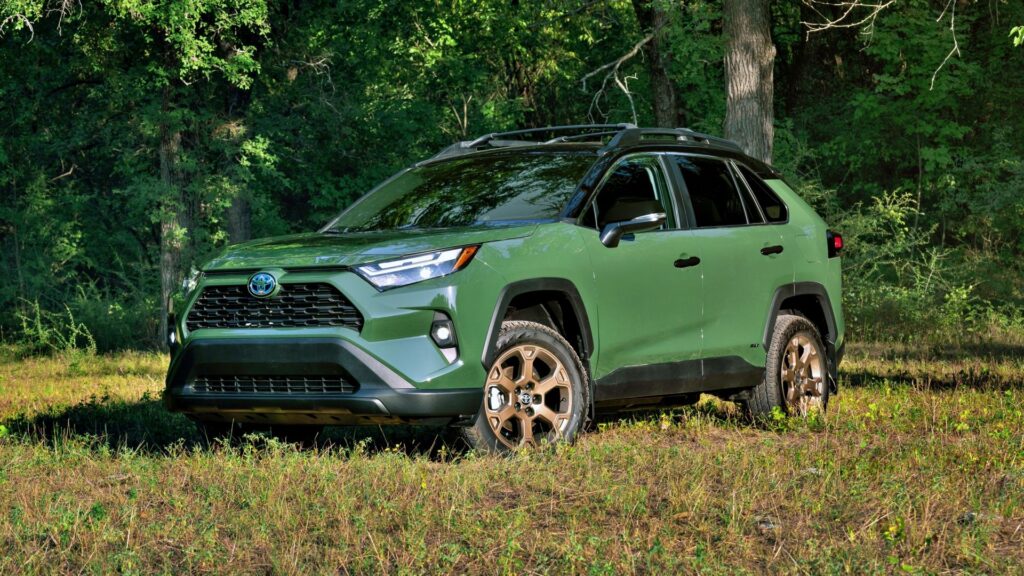
Ergonomics and cabin design matter as much as technology. A supportive seat, ample legroom and a quiet HVAC system improve everyday usability, while a simple, well-spaced climate interface reduces distraction. Infotainment should respond quickly, with reliable smartphone pairing and clear navigation prompts that don’t demand more attention than the road. Reliability and service life remain central considerations for buyers watching total ownership costs.
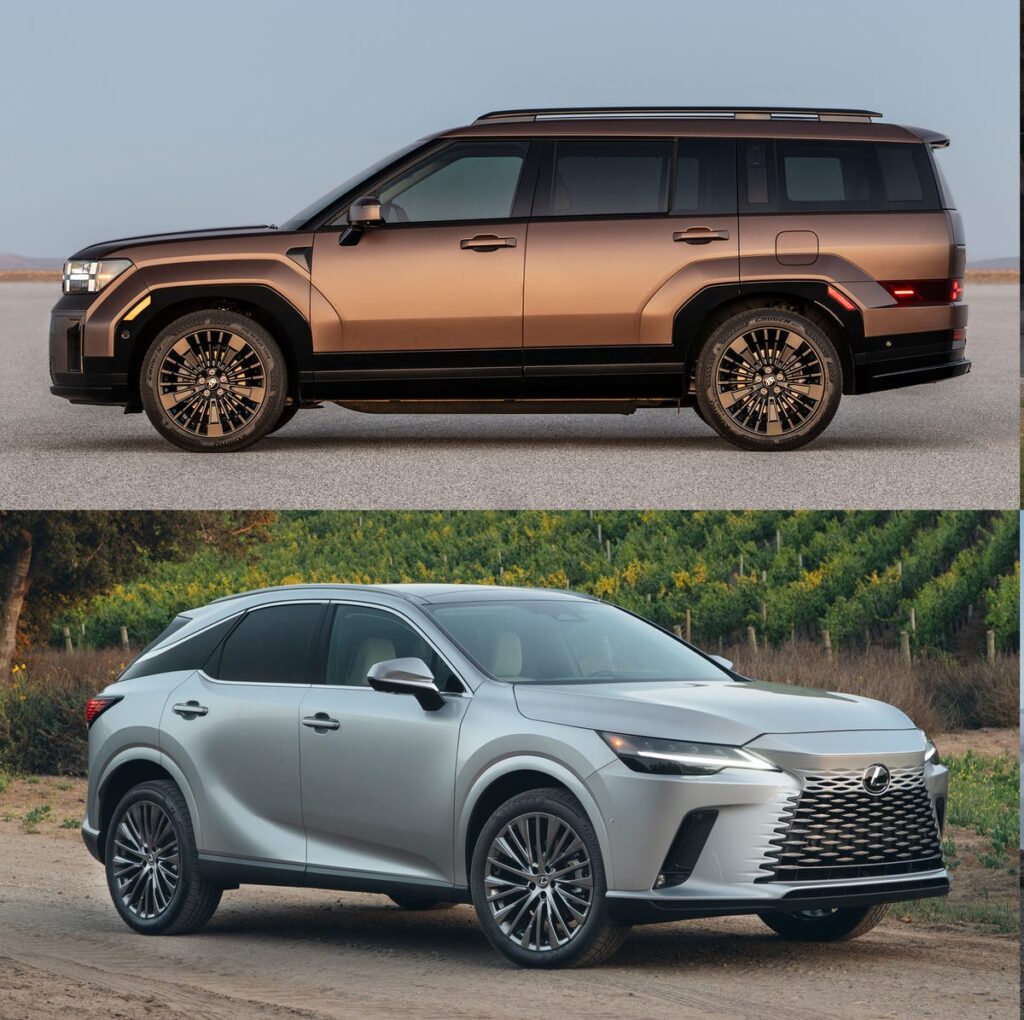
Practically speaking, a good fuel efficient suv suits buyers who value cargo flexibility, comfortable longer drives and reasonable running costs. When comparing mainstream models such as hybrid compact crossovers with those from premium brands pursuing efficiency, consider how you’ll use features, charging availability and maintenance expectations. The strongest choices balance efficiency with real-world practicality, rather than chasing abstract efficiency numbers.


