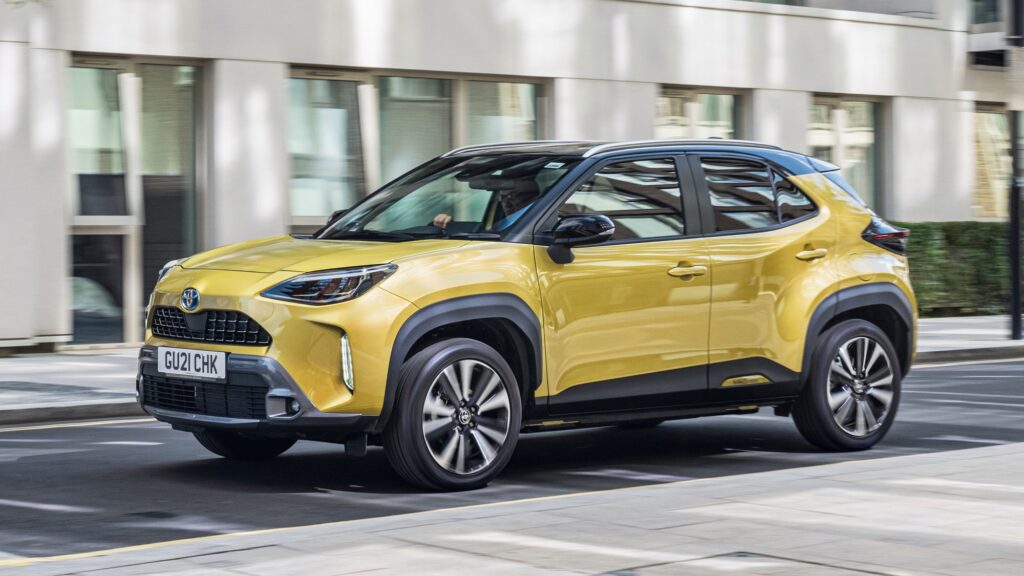
In the crowded market for utility-driven crossovers, the best awd compact suv balance safety, space and efficiency with a coherent design. This article analyzes how design choices translate to real-world usability and ownership.
All-wheel drive is more than a selling point in this segment; it directly affects confidence on wet roads, snow, and light off‑pavement. Buyers expect a quiet cabin, responsive steering and predictable handling when conditions change. The way a vehicle distributes torque, negotiates traction limits and blends ride comfort with noise suppression matters as much as horsepower. In short, design decisions ripple into daily practicality and long-term satisfaction.
What You Get
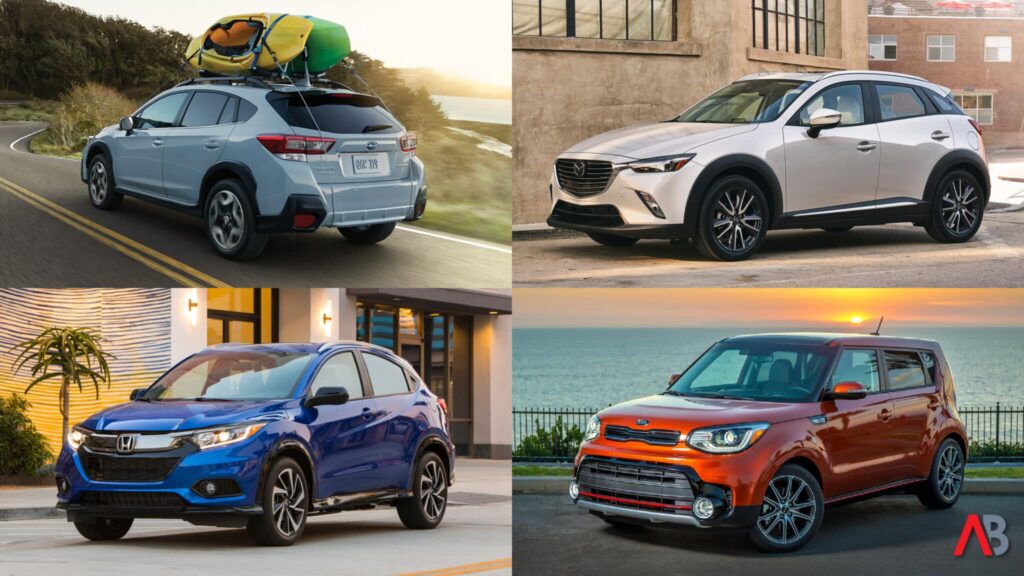
At the base level, you get a compact crossover with a well-integrated AWD system, a balanced ride and everyday practicality. Front seats are typically comfortable for long drives, and cargo space remains usable for groceries, gear and weekends away. Tech is user-friendly, with common smartphone integration and driver-assist features that make city driving and highway trips easier. The result is a versatile package suited to daily use without demanding premium-level investments.
Configuration choices primarily affect equipment levels, ride feel and traction calibration. A mid-range trim typically adds a quieter cabin, improved sound isolation and more refined chassis tuning, which translates to a calmer highway ride. Some models offer a hybrid or turbocharged engine, or an off-road-oriented package with higher ground clearance and enhanced AWD programming. The trade-off often comes in price, weight and fuel economy that can fade with heavy loads or aggressive driving.
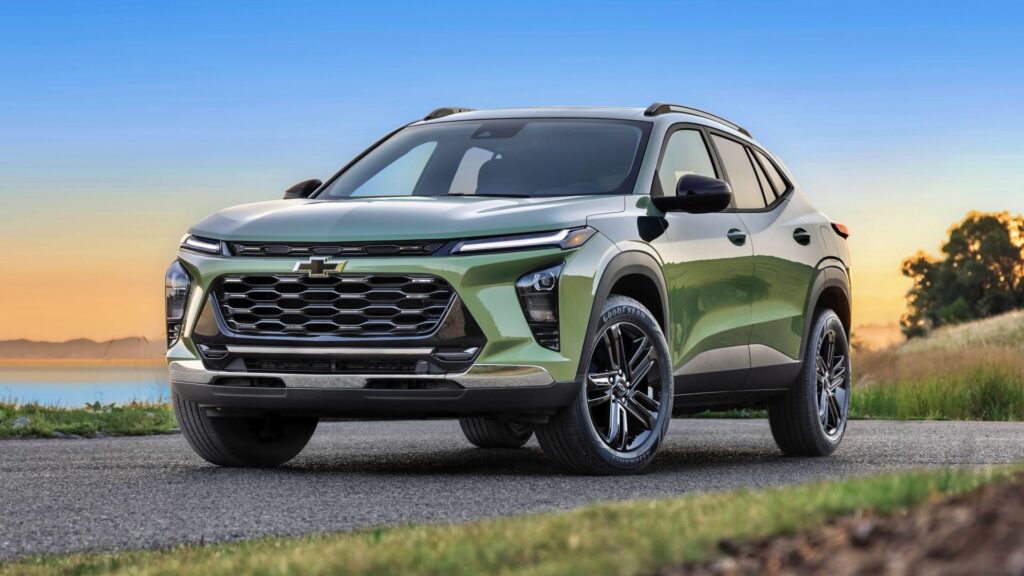
In practice, AWD in this class tends to favor predictable traction over raw acceleration. The result is steady, confident handling in rain or light snow, with a ride that keeps body roll in check and a steering feel that remains communicative. Braked performance is often assisted by stability systems that stabilize weight transfer, while fuel economy varies with drivetrain and tire choice. Overall, balance between performance and efficiency is usually the design goal.
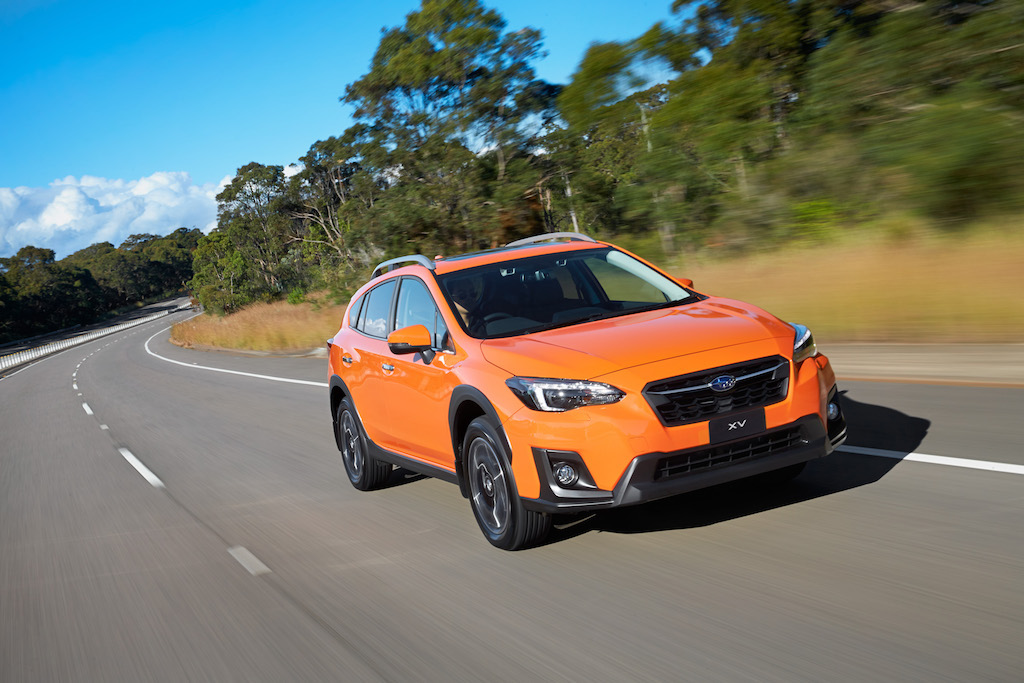
Final Take: Choosing the right AWD compact SUV comes down to climate, commute and cargo priorities. Consider how you value ride quietness, interior refinement and how much you drive on rough pavement. Expect to trade some fuel economy or price for extra capability or a nicer interior as you move up trims. In the end, the smart choice aligns drivetrain, chassis and features with your day-to-day needs.