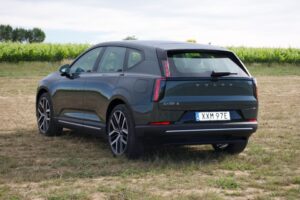
Choosing a car for the family goes beyond looks or price. A design-focused approach weighs cabin layout, access, safety, and everyday practicality, showing how thoughtful packaging translates into real-world convenience, calmer school runs, and steadier weekend trips.
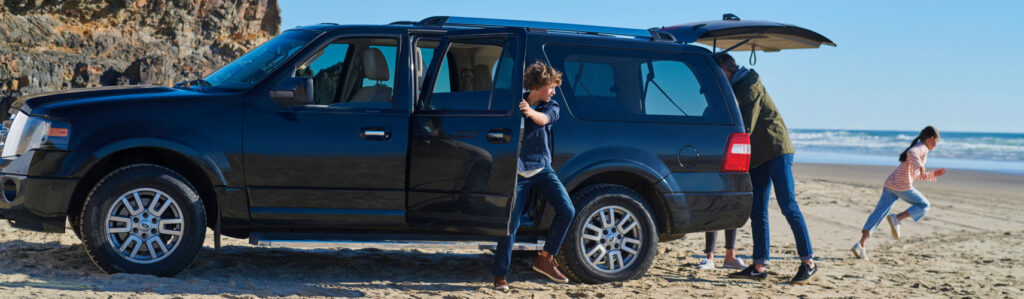
Why this topic matters: families require versatile transport that reduces friction in daily routines. A well-designed family car must accommodate car seats, groceries, sports gear, and long trips without constant compromises. Durability, predictable maintenance, and strong safety technology also matter, because reliable design translates to less stress on busy mornings and crowded weekends.
What You Get
Inside, space and accessibility are the core. Look for up to eight seats with flexible second-row configurations, wide doors, and practical storage. A user-friendly infotainment system, multiple charging ports, rear climate zones, and durable materials matter for family life. Safety tech such as automatic emergency braking, adaptive cruise control, and lane-keeping assist should be standard or readily available.
Configuration changes how those features behave. Seating layouts affect third-row usability, cargo space, and everyday hauling. Optional power-fold seats, adjustable cargo partitions, and different drivetrain setups shift balance between payload capacity and fuel efficiency. Wheelbase and suspension tuning also influence ride quality when the car is full, so test multiple setups to see which suits your family’s routines.
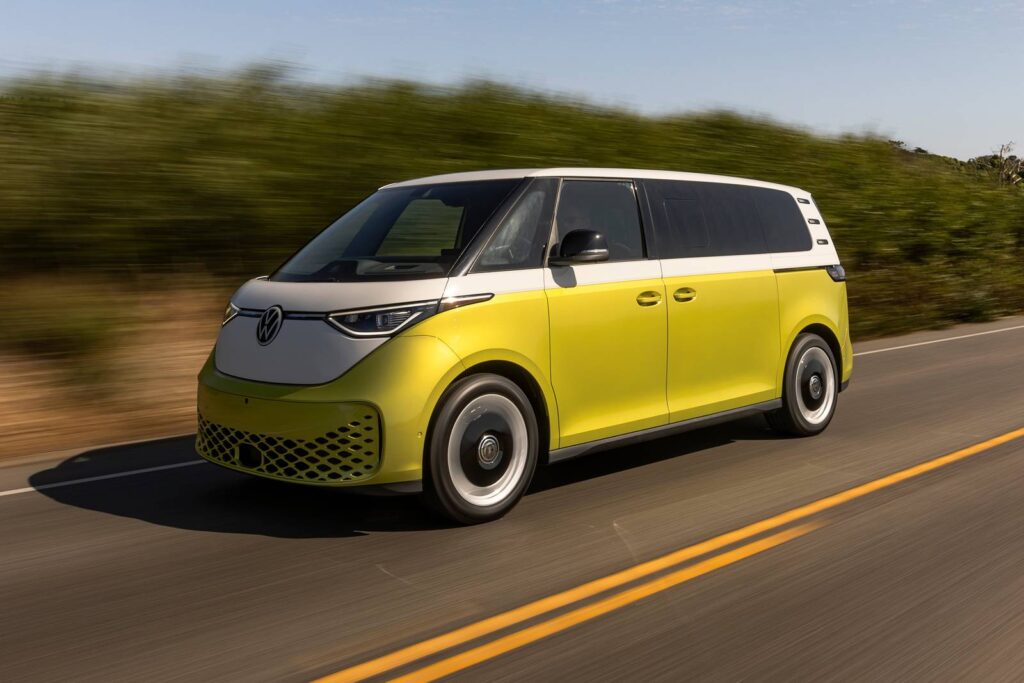
What Changes by Configuration
Variations by trim or powertrain alter technology and comfort. Higher trims bring nicer upholstery, larger displays, and more driver assistance features. Engine choices vary from efficient four-cylinders to more capable six-cylinders; transmissions and suspension tuning affect refinement and noise under load. All of these trade-offs matter if you frequently shuttle kids, dogs, or athletic gear.
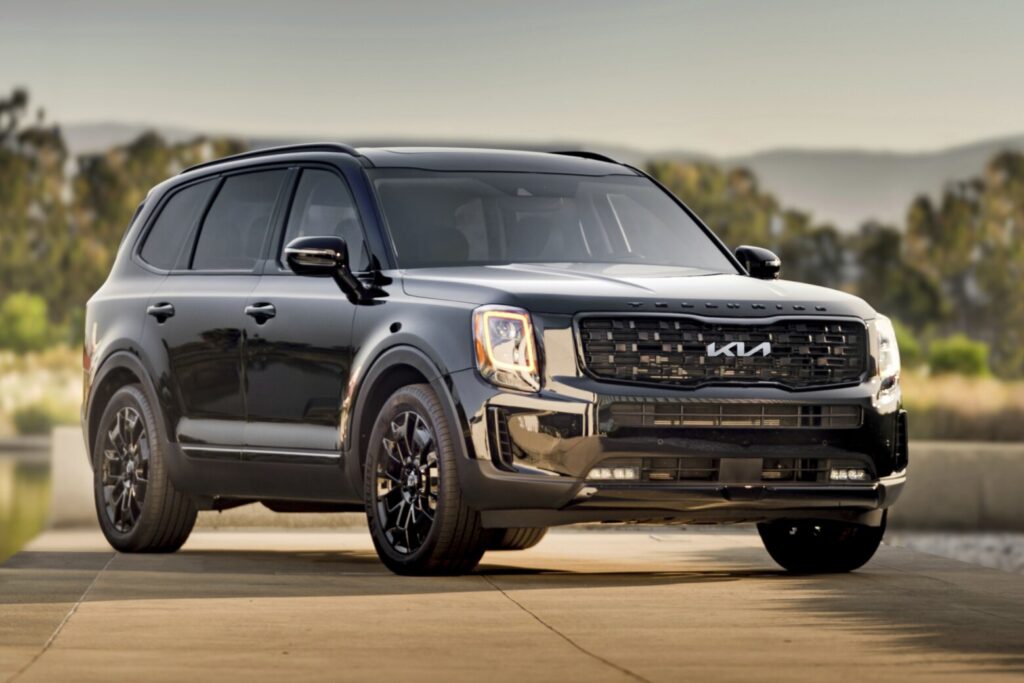
Performance, Efficiency and Practicality: For daily driving, smooth power and quiet operation matter as much as headline speed. Powertrains should feel responsive without gulping fuel on school runs. Practicality comes from cargo space, rear-seat comfort, and simple controls that work with busy hands. A well-balanced setup keeps energy use reasonable while maintaining the confidence needed on longer family trips.
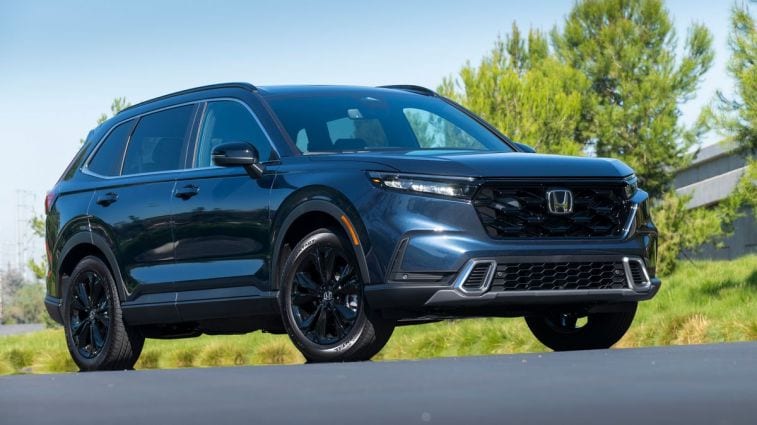
Comparison With Comparable Options: In practice, this approach often trades a touch of sportiness for more interior space and smarter packaging. Rivals like the Toyota Highlander, Honda Pilot, Kia Telluride, or Hyundai Palisade each carve a distinct niche. The choice depends on which strengths you value—reliability, interior quality, or the flexibility of seating and cargo. Final take: a well-designed family-focused car balances space, safety, and practicality, with trade-offs that vary by configuration and budget.