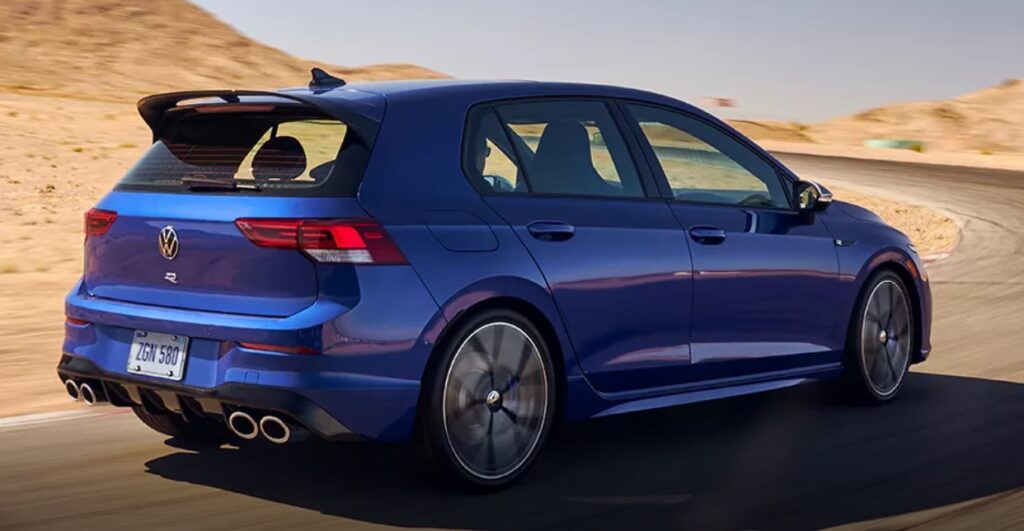
golf r hp signals VW's commitment to compact performance, delivering usable power with a refined chassis and all-weather capability. This article examines how horsepower translates to everyday speed, handling, and ownership trade-offs to help you decide if it fits your driving life.
Power ratings are meaningful, but they don't tell the whole story. The Golf R's horsepower interacts with a sophisticated all-wheel-drive system, turbocharged response, and precision gearing to shape how usable speed feels on typical roads. In this piece I balance raw figures with real-world behavior, noting both the upsides and the limits of a high-performance compact.
What You Need to Know
Officially, the Golf R produces about 315 horsepower and 295 lb-ft of torque, routed through a refined all-wheel-drive system. The turbocharged four delivers robust mid-range pull, with immediate throttle response that suits both spirited overtakes and daily commutes. A seven-speed dual-clutch automatic handles gear changes crisply, while selectable drive modes tune throttle, steering, and dampers for street comfort or track-ready stiffness.
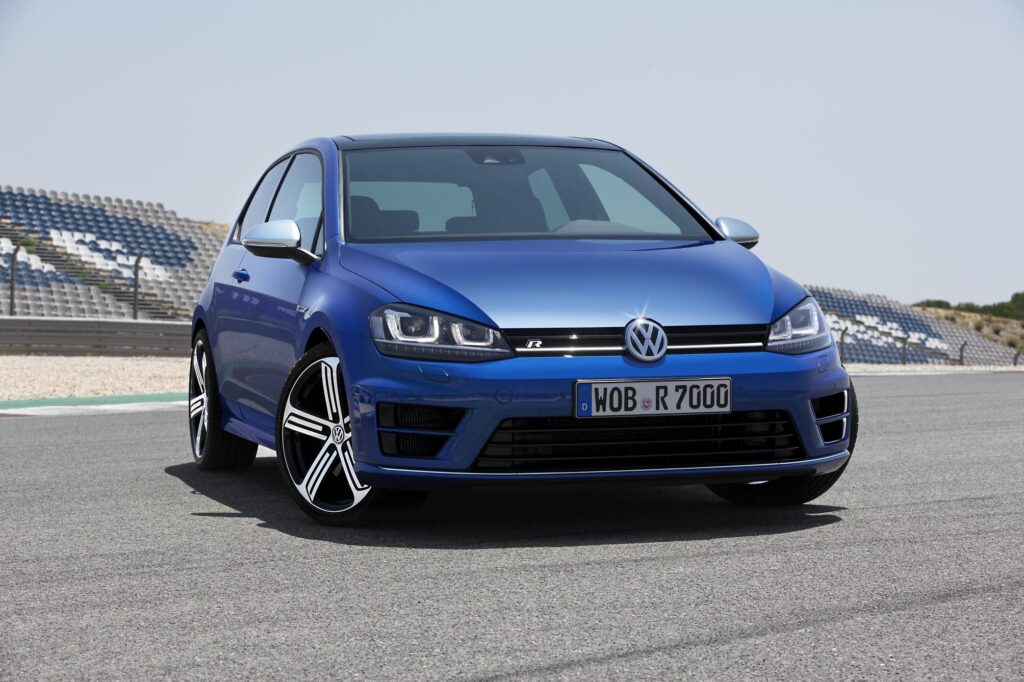
From a packaging and engineering view, the Golf R balances performance hardware with practical constraints. The all-wheel-drive drivetrain adds weight and reduces peak efficiency, yet it unlocks confident launch and stable cornering in rain or snow. The chassis uses adaptive dampers and precise steering geometry, which help steering feel, but those same elements can amplify road imperfections. Owners should expect higher tire and brake wear under aggressive use.
Design, Layout or Engineering
The Important Details: The Golf R uses a turbocharged 2.0-liter engine, a sophisticated AWD system with variable torque distribution, and upgraded braking and suspension. Inside, sport seats, a flat-bottom steering wheel, and digital instrumentation emphasize performance intent while preserving daily practicality. Material quality and cabin quietness remain strong for a compact hot hatch class, supporting long drives or daily commutes.
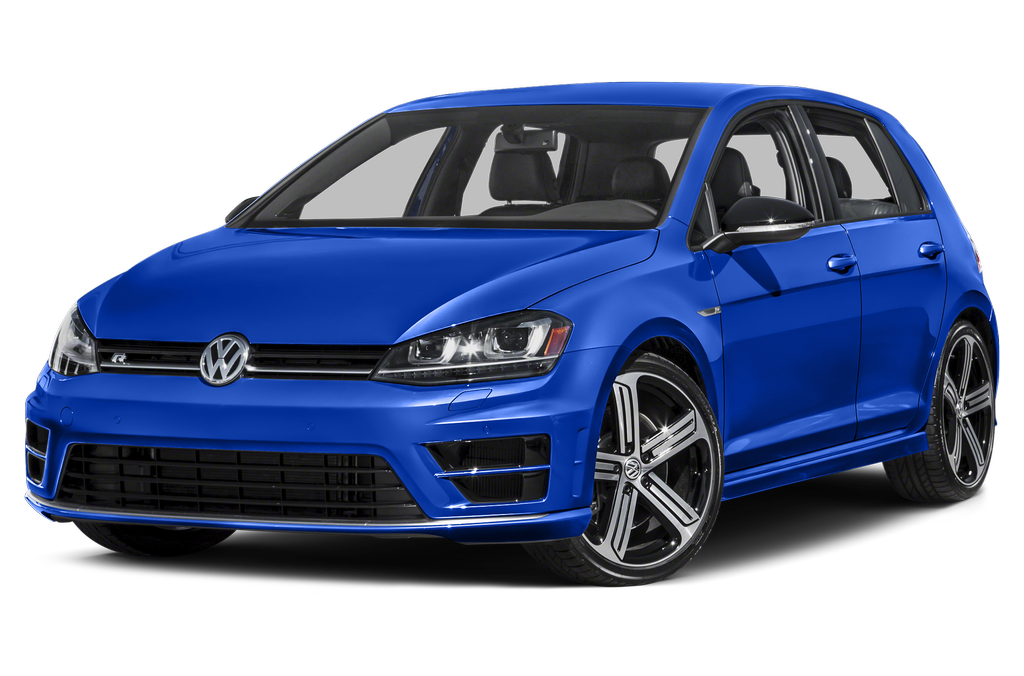
Why Those Details Matter: The engineering choices affect everyday usability and ownership costs as much as peak performance. The AWD system improves traction, but adds drivetrain complexity and potential maintenance items. Torque vectoring enhances cornering, yet it also increases tire wear if you drive aggressively. The outcome is a car that feels planted at speed but rewards measured driving and sensible tire selection.
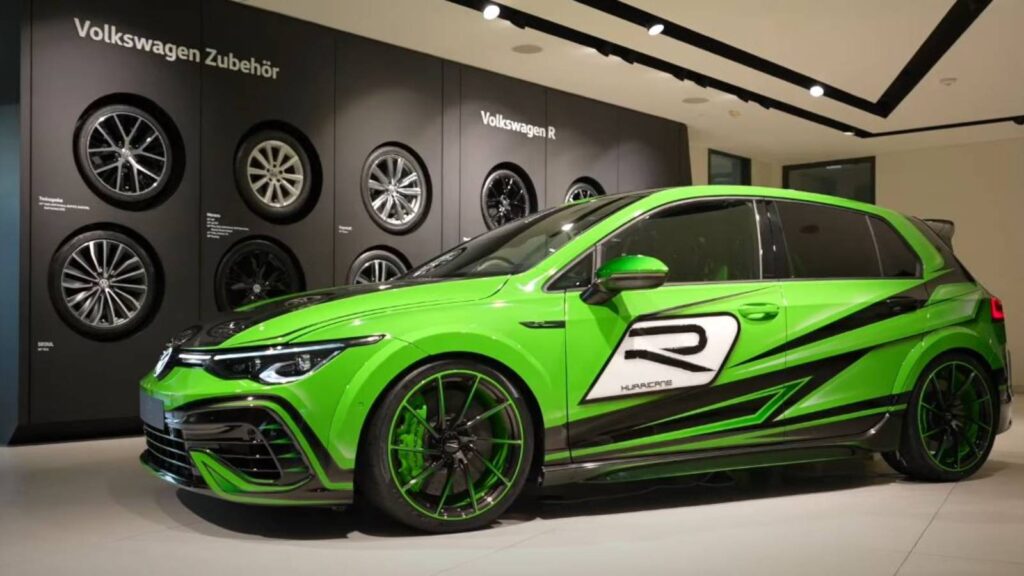
Driving, Using or Owning It: In daily life the Golf R blends tractable power with a practical footprint, offering respectable cargo space and comfortable front seating. When you press the throttle, the response is rapid but controllable, and the adaptive dampers soften rough pavement while preserving composure. Over time, expect higher maintenance costs relative to non-performance trims, and plan for tires and brakes that suit spirited driving.