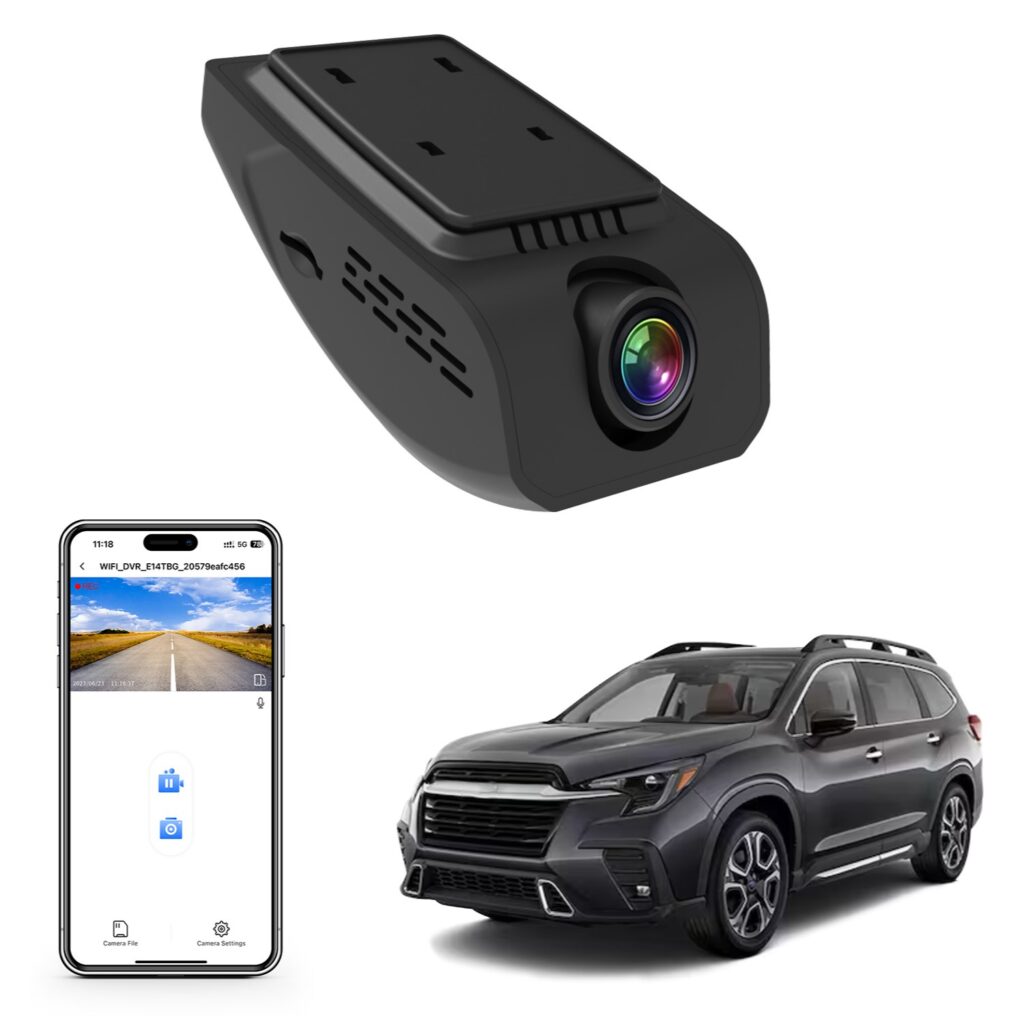
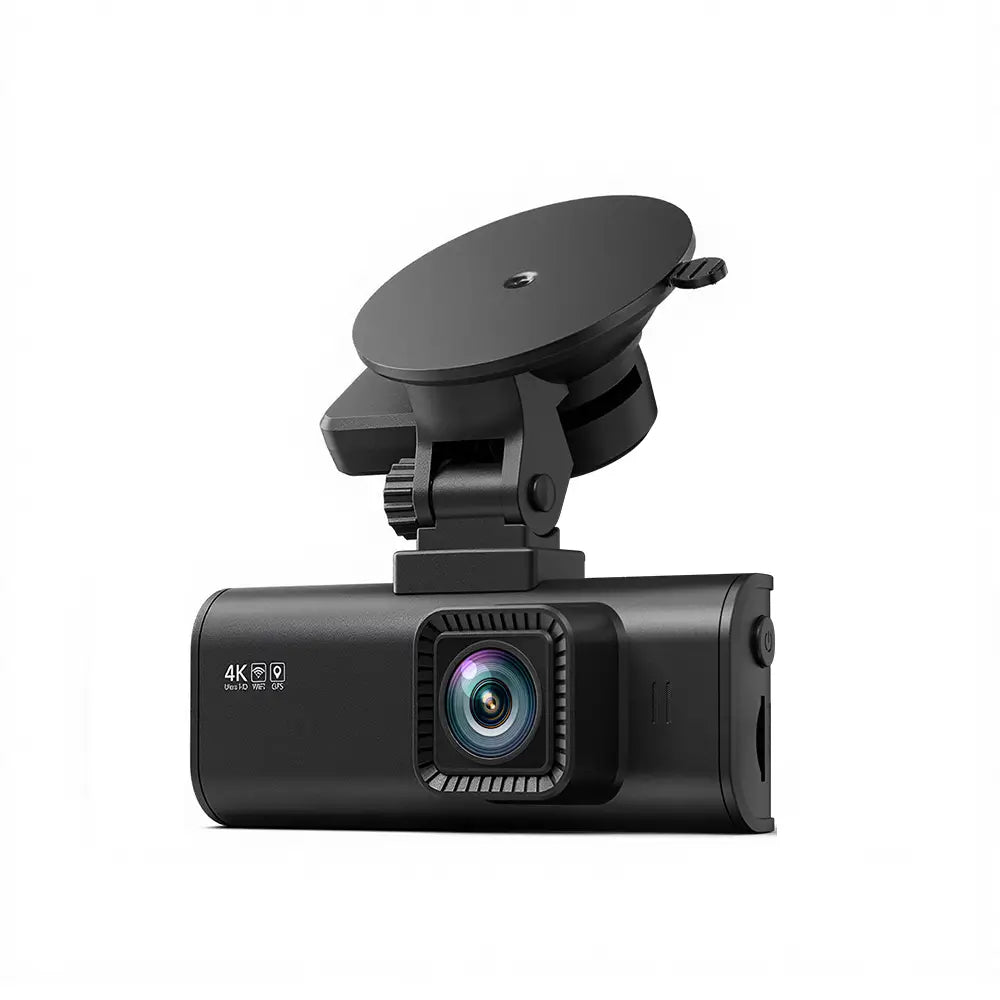
A front only dash cam concentrates on forward footage for SUVs, helping you capture traffic incidents, road hazards, and parking events from a single, discreet lens. This practical guide explains how the setup works, what it costs in space and complexity, and how to choose wisely.
Quick Take
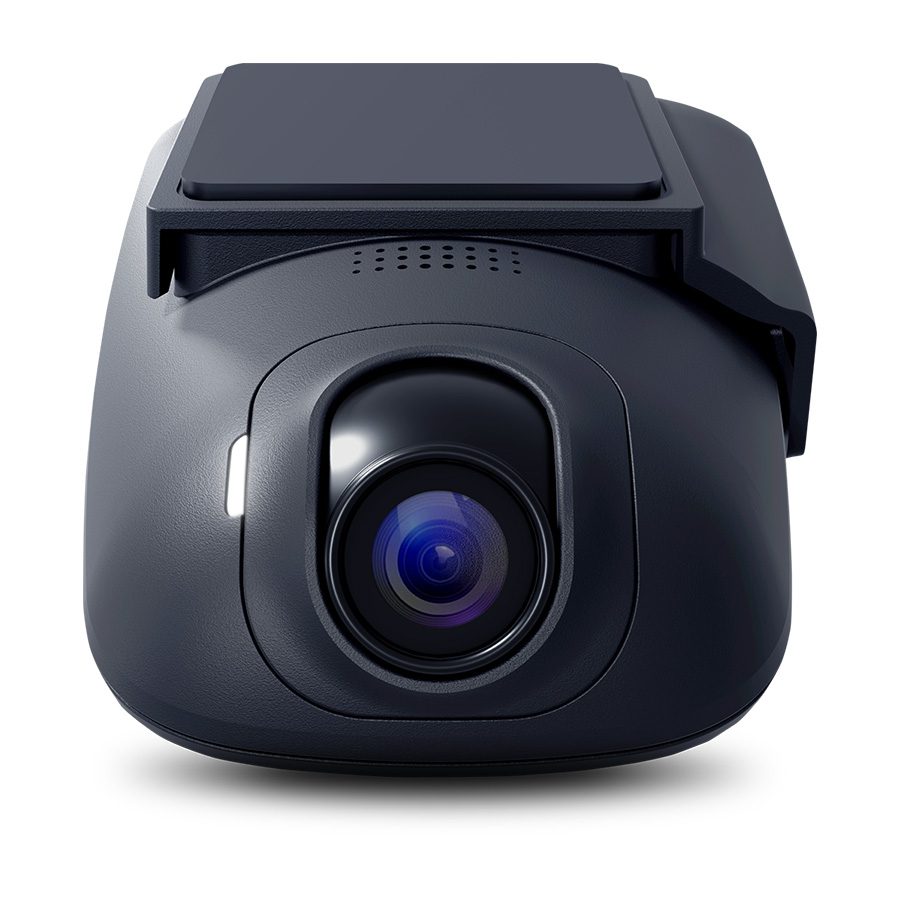
Briefly, a front only dash cam is a focused, relatively simple alternative to multi-camera systems. It concentrates on forward-facing evidence, often installing with minimal wiring and less clutter inside the cabin. The trade-offs include a narrower field of view and fewer parking safeguards compared with rear- or dual-channel setups. For SUV owners who value ease of use and a clean dash, it deserves serious consideration.
How It Works in Practice
Daily driving with a front only dash cam centers on reliable forward coverage during commutes, highway speeds, and busy city traffic. Mounting position matters: a low, unobtrusive perch minimizes glare and keeps the lens clear, but it can affect placement for glare or peeling off the windshield. Consider loop recording, storage capacity, and how power is supplied, since a stray drain can surprise you at the worst moment. In practical terms, setup is usually quick, with basic controls accessible from the dash.