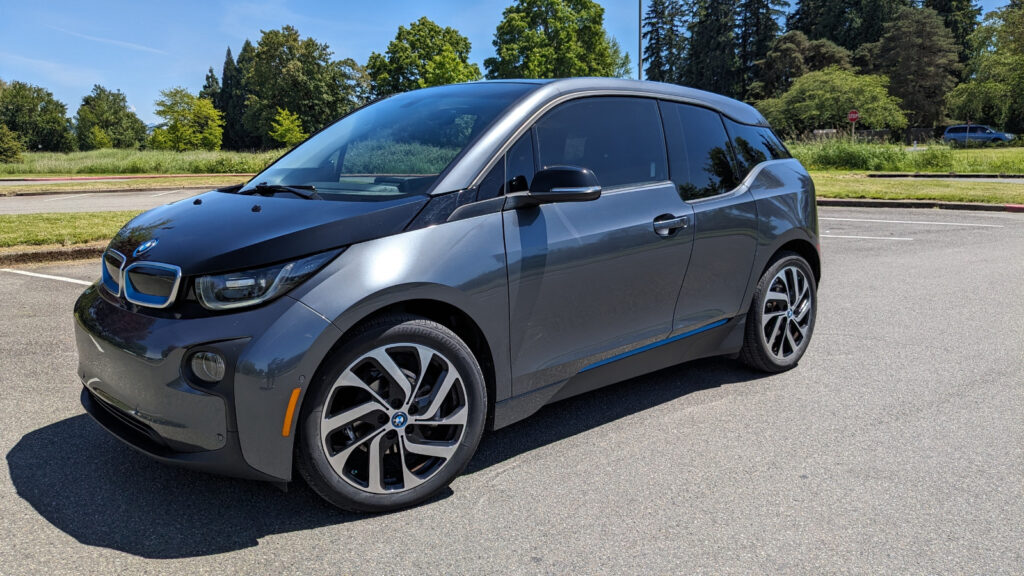
The 2017 bmw i3 represents BMW's compact urban electric hatch, blending distinctive styling with efficient electric power. This buying guide explains who the i3 suits, how its electric drive works, and what configurations mean for range, cargo, and daily usability.
Why This Topic Matters
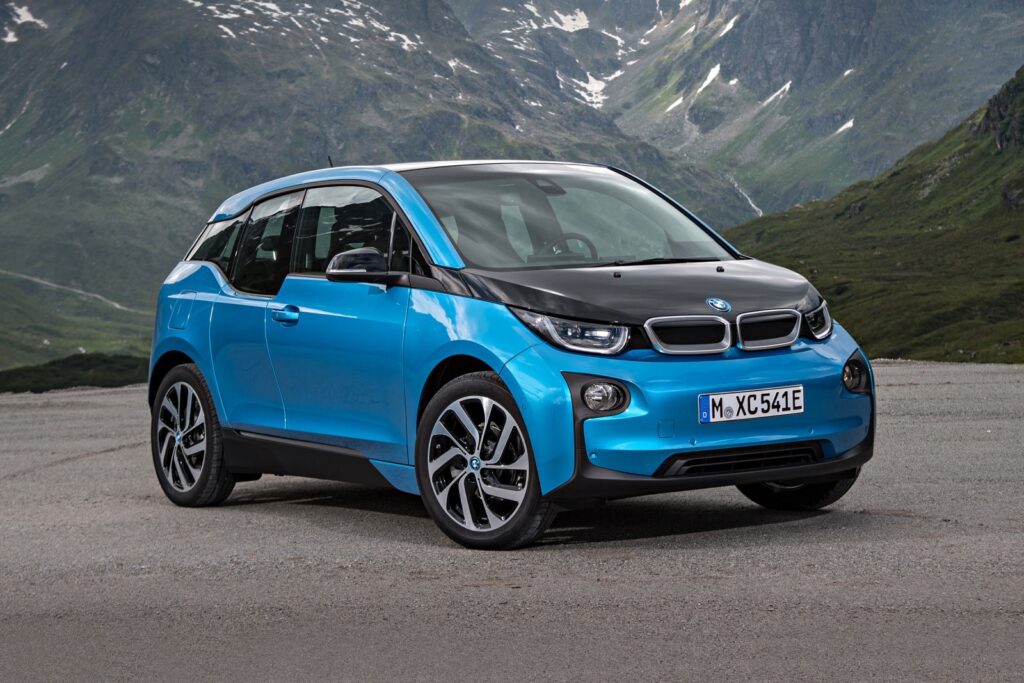
Electric city cars like the 2017 i3 can cut running costs, but the choice depends on range, charging access, and daily needs. Understanding real-world capabilities helps buyers avoid surprises. This topic matters because a compact EV that matches your routine can make everyday driving calmer, quieter, and more economical. Charging options, ownership costs, and potential incentives also influence the value proposition.
Main Features
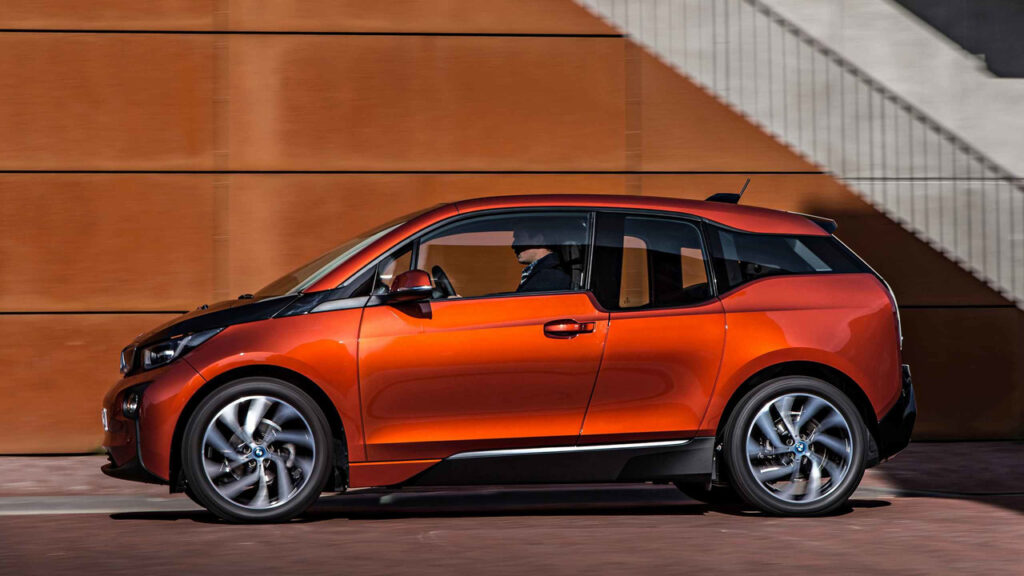
With the 2017 i3 you get a compact, surprisingly roomy cabin, clever cargo solutions for its size, and strong regenerative braking. The lightweight carbon fiber reinforced plastic passenger cell aids efficiency and rigidity, while the interior emphasizes sustainability with recycled materials. A digital instrument cluster and BMW's iDrive controls provide navigation, climate, and media access.
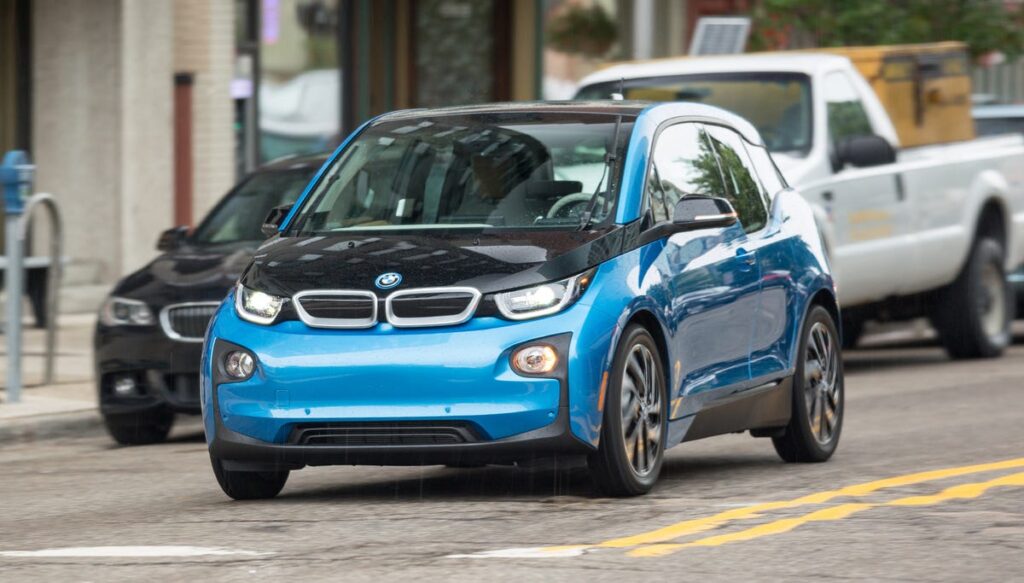
Configuration changes affect range, performance and technology. The i3 offered different battery options and the optional range extender in earlier years; the REx acts as a small gasoline generator to extend usable range when charging isn't convenient. All configurations share the same distinctive chassis, while wheel choices, upholstery, and tech packages can alter ride feel and comfort.