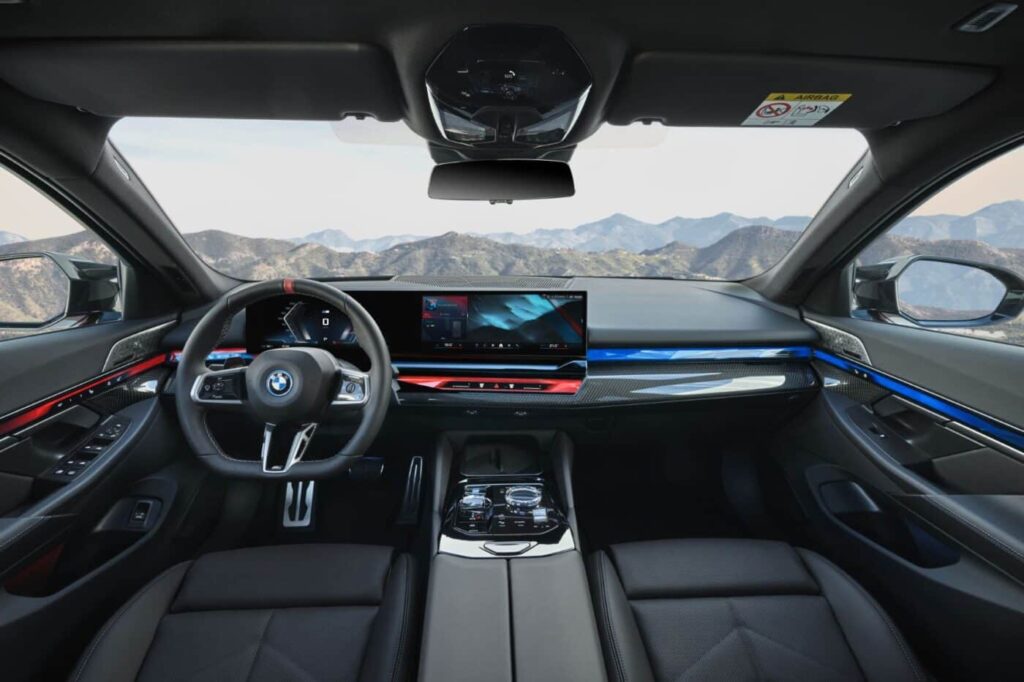
The 2024 bmw 5 series carries forward BMW's safety-first mindset, blending advanced driver aids with a refined driving experience. In this Safety Feature Guide, we examine how the system works in practice and what owners should expect in day-to-day use.
With the 2024 bmw 5 series, safety features aim to assist without overshadowing driving. From collision avoidance to pedestrian detection, the system works best when the driver remains engaged. The car monitors lane position, nearby traffic, and braking needs and provides gentle interventions when necessary. This guide focuses on what it means for daily use.
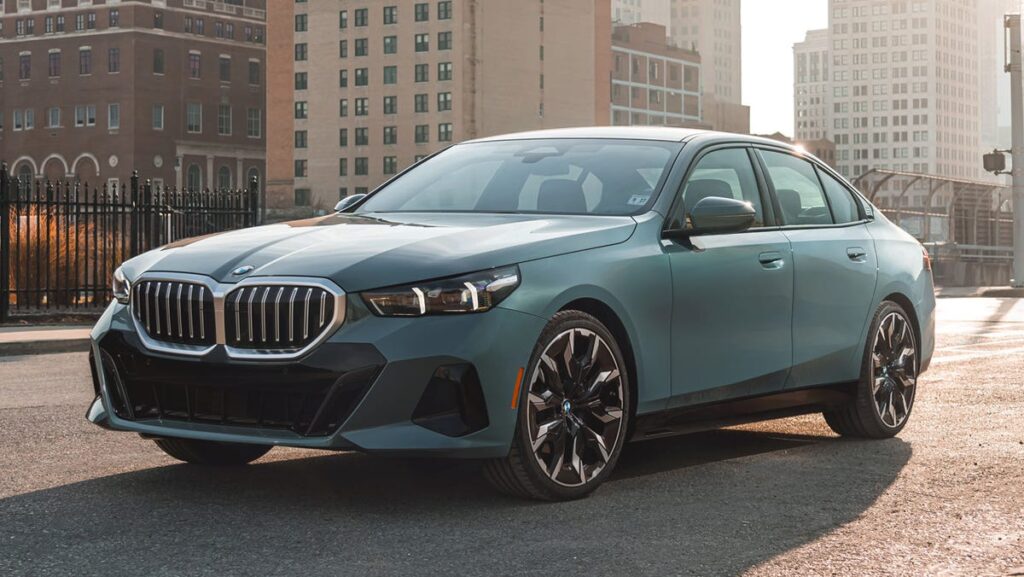
Daily Driving or Use
In everyday driving, the suite prioritizes stop-and-go resilience and collision avoidance. Automatic emergency braking can intervene if sensors detect an imminent collision with a car or pedestrian at typical speeds, while pedestrian detection improves urban safety. Lane-keeping assist and steering interventions help center the vehicle within lane markings on highways, but they require clear road markings and attentive drivers. You still need to keep your hands on the wheel and your eyes on the road.
Beyond active safety, the 5 series includes driver monitoring and speed adaptation that help maintain focus on longer trips. The system can adjust following distance and slow the car when traffic gaps shrink, reducing fatigue on congested routes. Some users notice slight delays when heavy traffic triggers automatic braking or lane-keeping inputs, which can feel intrusive if you prefer a more hands-on approach. Expect a period of familiarization as you tune sensitivity to your driving style.
Comfort and Convenience
The safety tech is tightly integrated with the cabin experience. The driver display and central touchscreen present warnings clearly, while the heads-up display keeps critical data in the driver's line of sight. Adaptive cruise control couples with traffic jam assist to reduce strain on long commutes, and the 360-degree camera helps orientation when maneuvering in tight spaces. BMW's iDrive system remains responsive, but safety prompts can compete with navigation alerts in bright daylight.
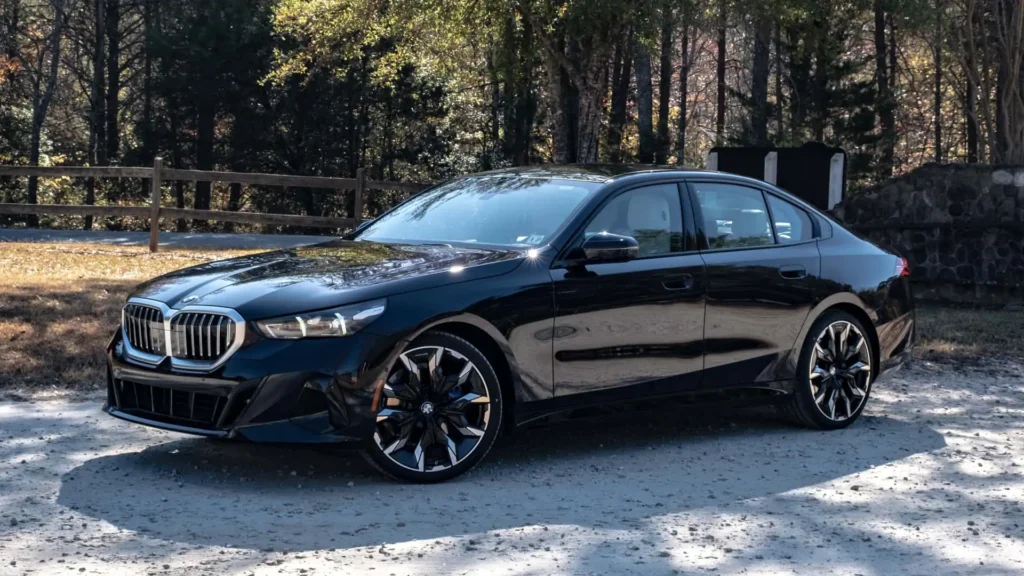
Maintenance and cost considerations matter. The sensors for adaptive cruise, lane departure, and collision avoidance all rely on clean sensors and software updates. BMW typically bundles these with service plans, and most safety features stay active in most trims. Expect routine maintenance to include sensor calibration checks after impacts or wheel alignment. Insurance premiums may reflect the added safety hardware, but the real value comes from reduced stress in daily driving.
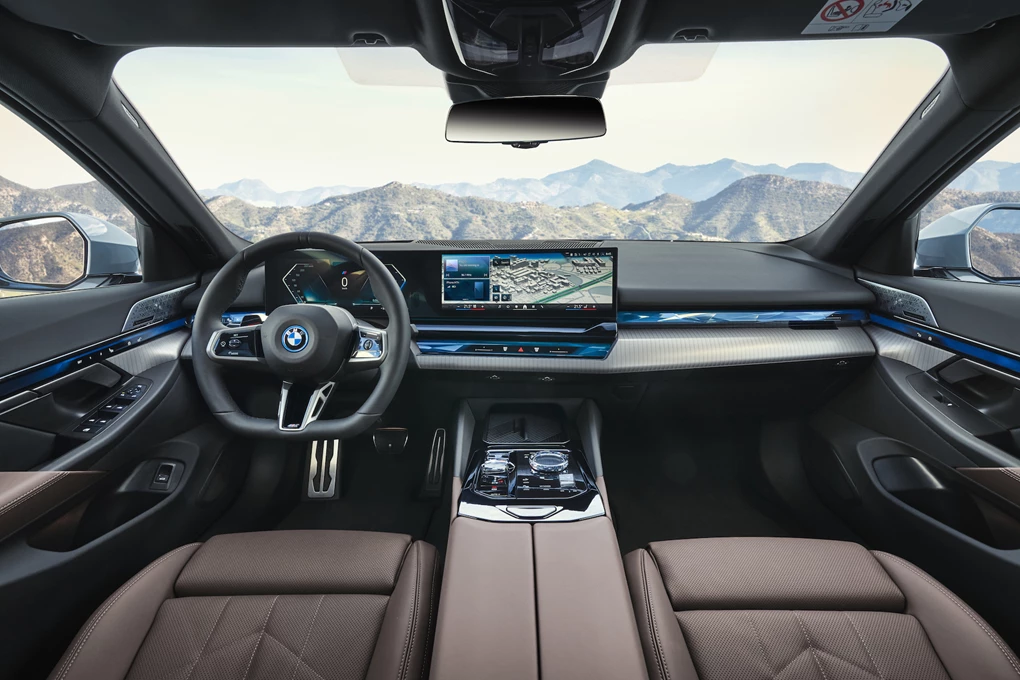
In this generation the Driving Assistance Professional package brings features such as adaptive cruise control with stop-and-go, active lane centering, and a robust collision mitigation system. The package relies on a forward-facing camera and radar sensors to map traffic and pedestrians. It can ease highway commutes and city trips, but it is not a substitute for attentive driving. The performance of safety tech depends on road layout, weather, and sensor cleanliness.