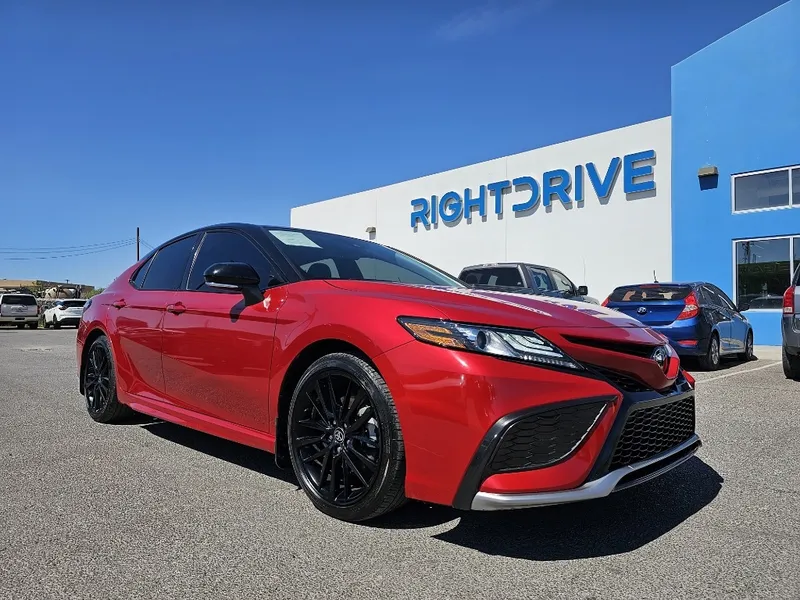
The 2022 toyota camry remains a cornerstone of reliability in the mainstream sedan market, blending durable engineering with calm daily usability. This reliability guide highlights what matters most to owners and outlines practical maintenance expectations, helping readers evaluate long-term ownership with confidence.
Toyota's reputation for durable, predictable performance informs the Camry's character. Real-world ownership data tends to favor steady operation and minimal surprise repairs. The formula is simple: regular maintenance, sensible part replacements, and timely inspections. When cared for, the Camry typically delivers dependable service across many miles.
The Answer in Brief
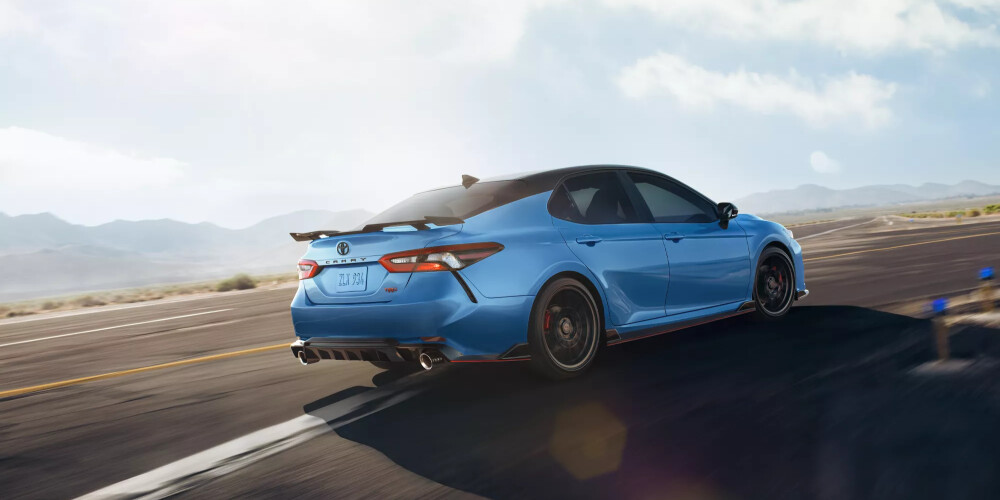
At its core, the 2022 toyota camry earns reliability from time-tested engineering and careful manufacturing. Most reported issues are minor wear rather than systemic faults, often tied to routine items like tires or brakes. The ownership story favors predictable service intervals and a network that prioritizes consistency. In short, it remains a sensible, low-stress choice for daily driving.
Preventive care is the best tool for longevity: scheduled oil changes, fluid checks, tire maintenance, and battery health. Electrical concerns typically reflect aging components rather than defective systems. A pre-purchase inspection can help identify aging parts before they become inconvenient. For buyers seeking extra assurance, consider warranty or certified pre-owned programs offered by Toyota dealers.
What Experts and Buyers Should Examine
Performance or capability should be evaluated by engine choice, drive feel, and refinement. The gasoline engines offer smooth operation for daily use, with the hybrid delivering a quieter, more efficient ride in city conditions. Transmission behavior tends to prioritize smoothness and predictability over sporty response. Understanding which configuration aligns with your driving routine is essential.
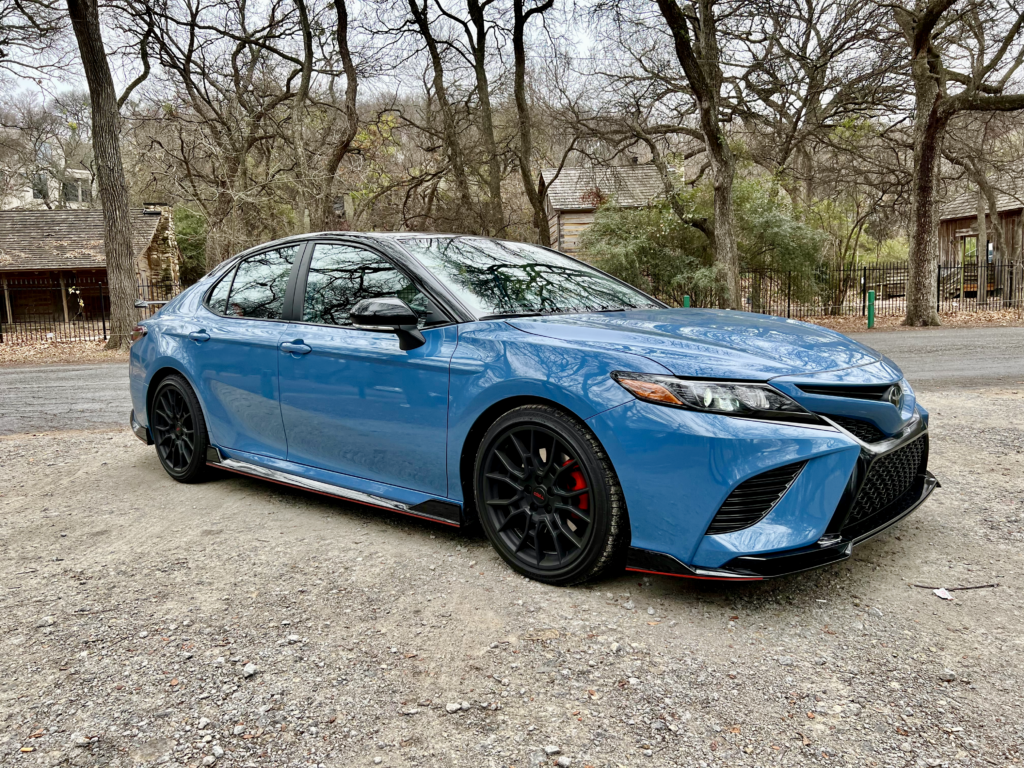
Comfort and usability cover seating comfort, cabin quiet, and cargo practicality. The Camry's front seats are typically supportive for long trips, and the rear seat offers reasonable legroom for adults. The trunk space remains competitive for class, and the controls are designed for intuitive operation. Lighting, noise, and climate control contribute to a relaxed ownership experience.
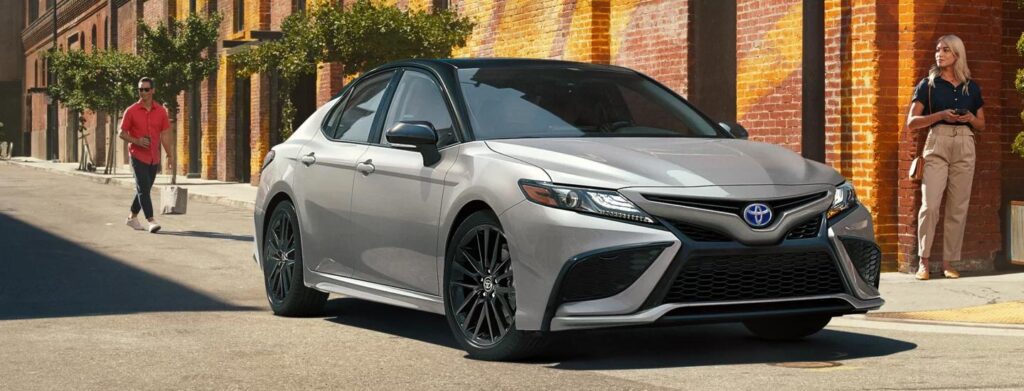
Technology and safety features are a notable strength without overwhelming the user. A straightforward infotainment system integrates common smartphone mirroring and voice commands. Standard driver assistance tools enhance confidence in daily driving, while higher trims add more advanced systems. The overall balance favors ease of use and practical protection rather than gimmicks.