
Selecting the best hot wheels cars means weighing durability as heavily as detail. This reliability guide highlights build quality, materials, and trouble spots so you can pick models that hold up under play, travel, and frequent handling rather than chips and loose wheels.
In the die-cast world, longevity comes from how a model is built and finished. Look for metal bodies with solid wheel hubs, robust axles, and well-seated tires. Real-world wear shows up as wheel wobble, paint chipping along edges, or misaligned axles after light drops. Packaging history matters too; earlier releases with tighter tolerances often hold up better than those produced in a rush for mass-market shelves. When quality checks are thorough, the model serves as a display piece and a durable toy.
Quick Answer
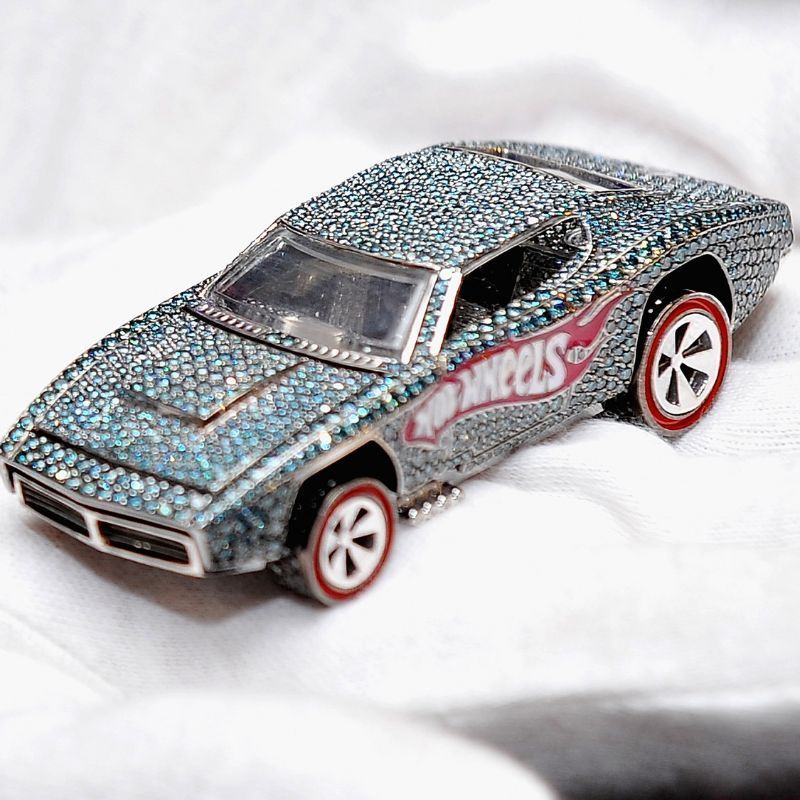
Reliability in best hot wheels cars hinges on three traits: construction, finish, and wheel integrity. Favor models with metal bodies or strong die-cast shells, precision axle placement, and paint that resists chipping under casual play. Avoid lightweight plastics on critical joints and wheels that exhibit lateral play. Improvements like sealed wheel axles and clear-coat protection correlate with longer life. If you need a starter list, prioritize proven staples from reputable lines rather than the flashiest paint schemes.
Understanding reliability starts with the role of a Hot Wheels model. Some cars are designed as premium collectibles with heavy plating and high detail; others are introduced as kid-friendly, durable playthings. The former may offer decades of shelf life if kept in good condition, while the latter often takes more abuse and can show faster wear. The material mix—metal versus plastic—and how parts are joined determines how well a car stands up to handling, transport, and occasional crashes.
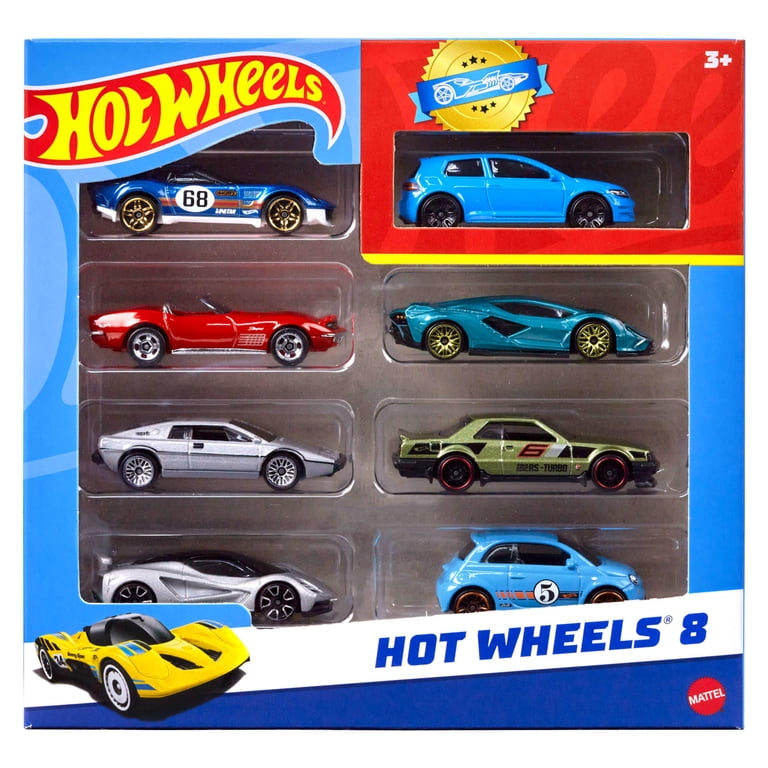
Key characteristics for reliable Hot Wheels models include reinforced axles, deep wheel wells that keep tires aligned, and a consistent paint/decal application. Metal bases with secure attachment points tend to resist flexing that can loosen wheels. Look for data under the hood about weight balance; a heavier front-to-rear distribution reduces wheel hop during landing from small drops. Finish quality, including clear coats and protective plating, helps maintain color, while trim and deco decals should be resilient to scuffing.
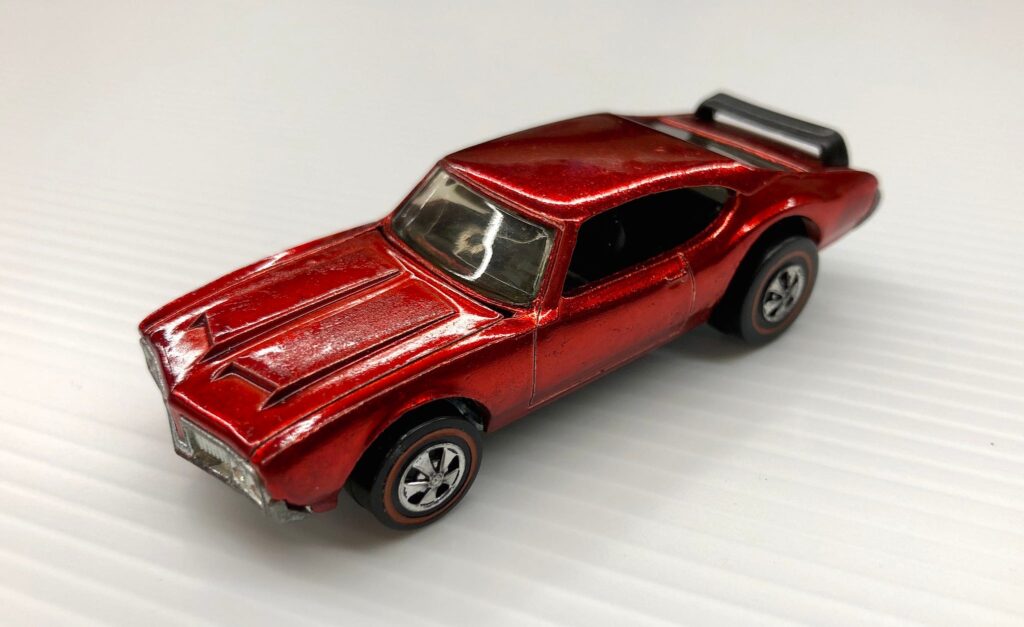
Who the reliability approach suits is as important as the model itself. Serious collectors seeking longevity will favor well-made, limited-run or premium lines and store cars away from sunlight. Families shopping for durable play pieces prioritize robust wheel assemblies, minimal brittle plastic, and the ability to withstand gym-bag tosses. When selecting, balance the desire for collectible value with practical use: a model that checks durability and looks intact after routine handling will win over time.


