
Understanding car symbols meaning helps you spot issues early and keep routine maintenance on track, reducing unexpected repairs and downtime. This practical guide translates dashboard signals into actionable steps every driver can follow, with clear explanations and real-world tips.
At a Glance
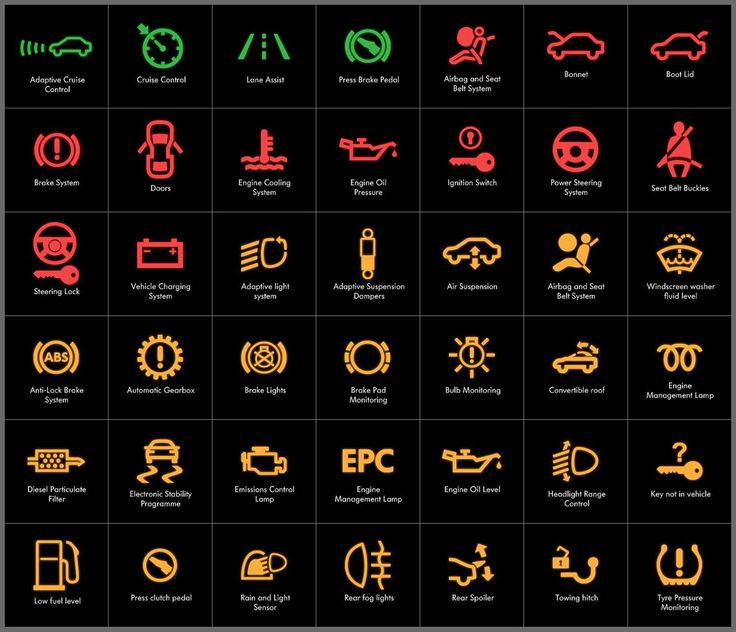
Car symbols give quick feedback on your vehicle's condition, from engine health to tire pressure. Many signs are standardized by manufacturers, while others vary by model family. Interpreting them correctly can prevent minor faults from becoming major repairs. Understanding the basics helps you decide when you can monitor a light yourself or schedule service.
The Main Question Buyers Ask
Buyers frequently ask which symbol requires immediate action and which is a routine reminder. The answer depends on color, icon, and whether the light is warning versus status. Red or flashing indicators demand prompt attention; amber signals suggest a scheduled check or service soon; green or blue icons are usually informational. When in doubt, refer to the owner’s manual or seek professional guidance.
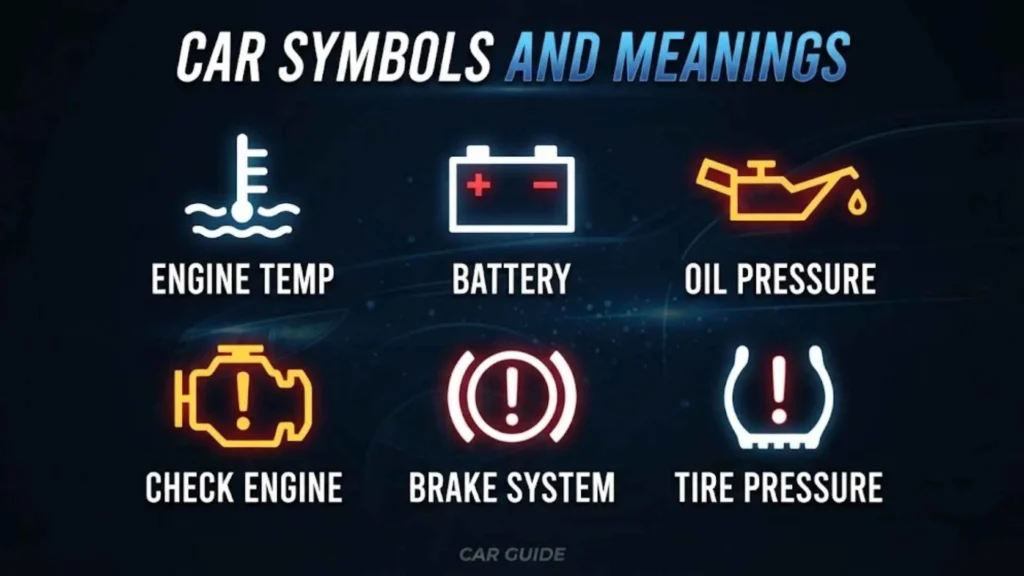
Feature One: Engine and emission indicators. The check engine light and related MIL symbols signal a fault in the engine control system or aftertreatment. Ignoring them can lead to reduced efficiency, higher emissions, or potential damage. If illuminated, start by checking for obvious issues like a loose gas cap, then schedule a diagnostic with code reading.
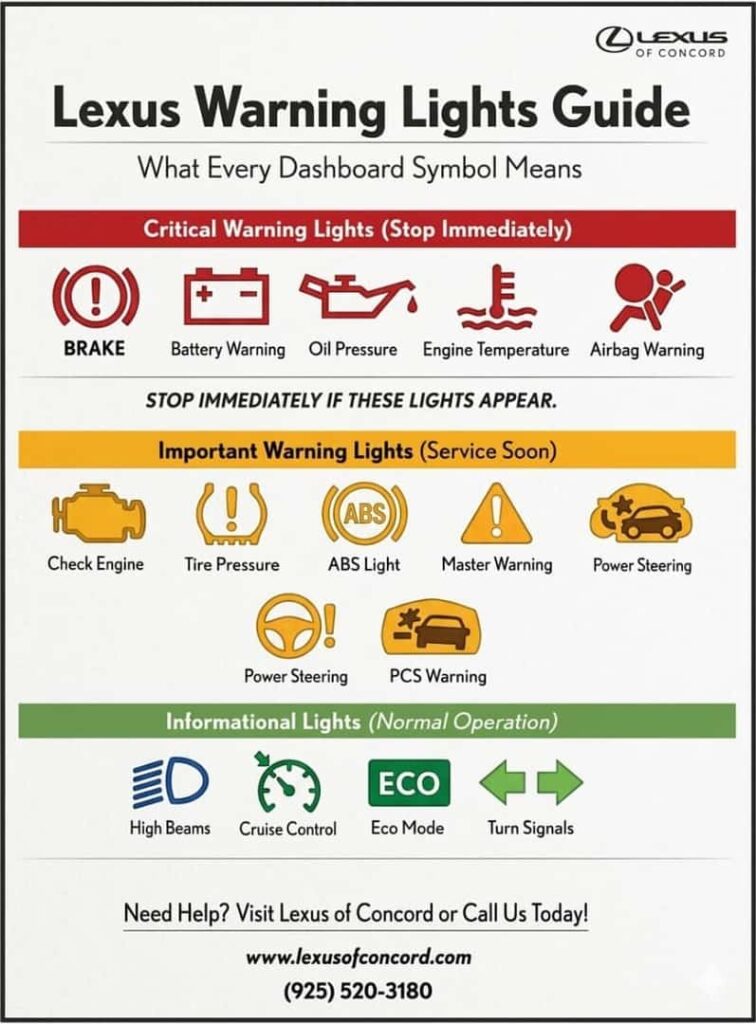
Feature Two: Tire and braking indicators. The tire pressure monitoring system (TPMS) warns of underinflated tires that affect handling and wear. Brake system warnings can indicate low pad thickness or hydraulic issues, while ABS indicators point toward traction control concerns. Address these promptly to maintain grip and stopping power, including inflating tires to spec and inspecting brake components.
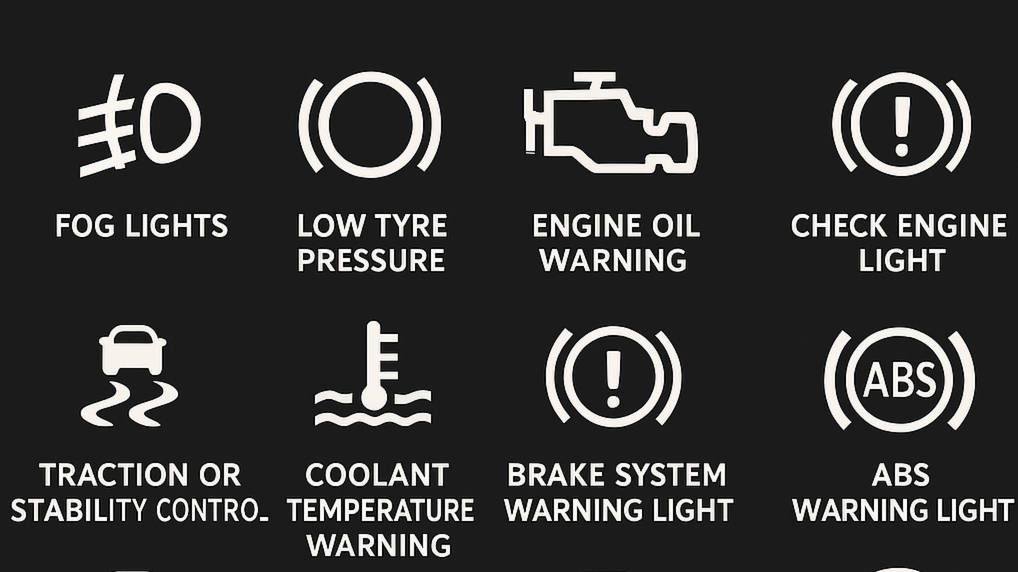
Feature Three: Maintenance reminders and fluid levels. Many dashboards show service intervals, oil life, and coolant or transmission fluid checks. These symbols help you stay on a preventive maintenance calendar, but they rely on correct odometer data and driving style. Follow the recommended service window and verify fluid levels at least once a month, using the correct grade and specification.


