
Choosing the right work van means balancing cargo capacity, reliability, and daily usability. This buyer-focused guide compares top options for practical uptime, comfortable workplaces, and predictable maintenance so you stay productive on jobs big and small.
For buyers, a work van is not a passenger carrier with more cargo space. It prioritizes payload, cargo carry-length, and flooring that handles frequent loading and unloading. Consider your typical load height, the type of equipment you carry, and the ease of access from side and rear doors. The best vans also balance drivability with interior space so crews can stay productive without fatigue.
Beyond initial price, total cost of ownership matters more than sticker value. Reliability and service network affect uptime, which in turn drives hourly earnings. Look for engines with durable parts, simple maintenance schedules, and easy access to common service procedures. Consider payload rating versus actual usable space, and whether optional features such as bulkhead protection, cargo flooring, and shelving systems fit your daily workflow.
Payload and Cargo Space
Payload capacity and cargo dimensions directly shape what you can carry each day. Look for a rating that comfortably supports your average load, plus room for occasional larger items. A flat-load floor, well-placed tie-down anchors, and non-slip flooring simplify daily handling. If you frequently load tall equipment, a van with a lower floor or a extendable step can save back strain and wasted time.
Powertrain and Efficiency
Powertrains shape daily performance and maintenance costs. Gasoline engines are common, easy to service, and generally cheaper upfront, but diesels and some diesel-like turbo setups offer higher torque for heavy loads and constant driving. Choose a transmission that suits your workflow—slippery job sites benefit from smooth shifting and a solid manual or automatic where available. Optional all-wheel drive can improve traction, but adds weight and reduces payload.
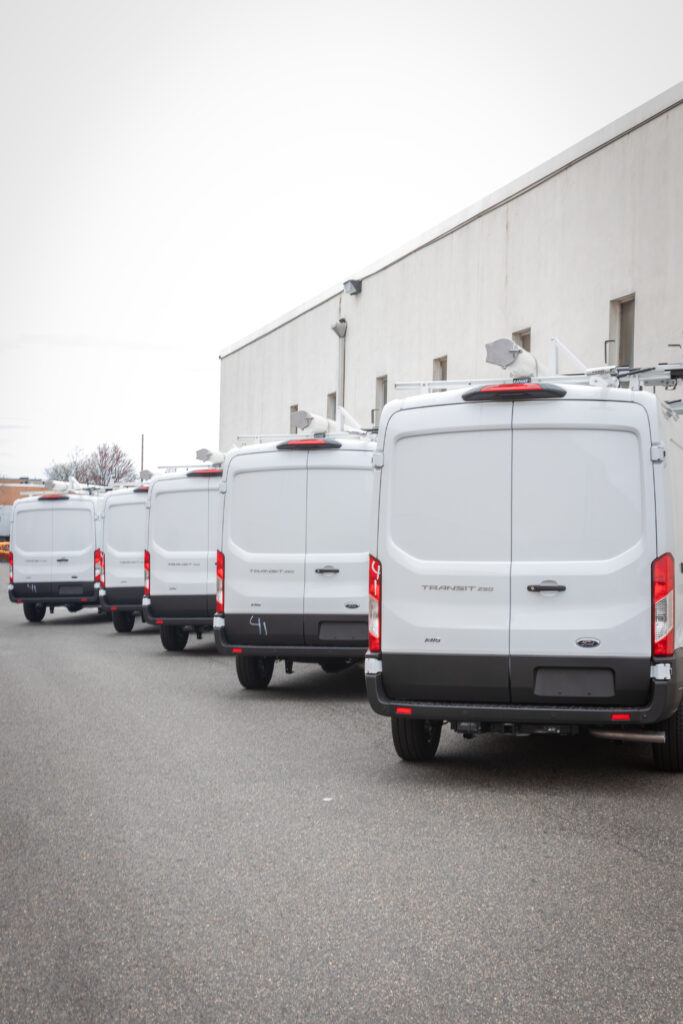
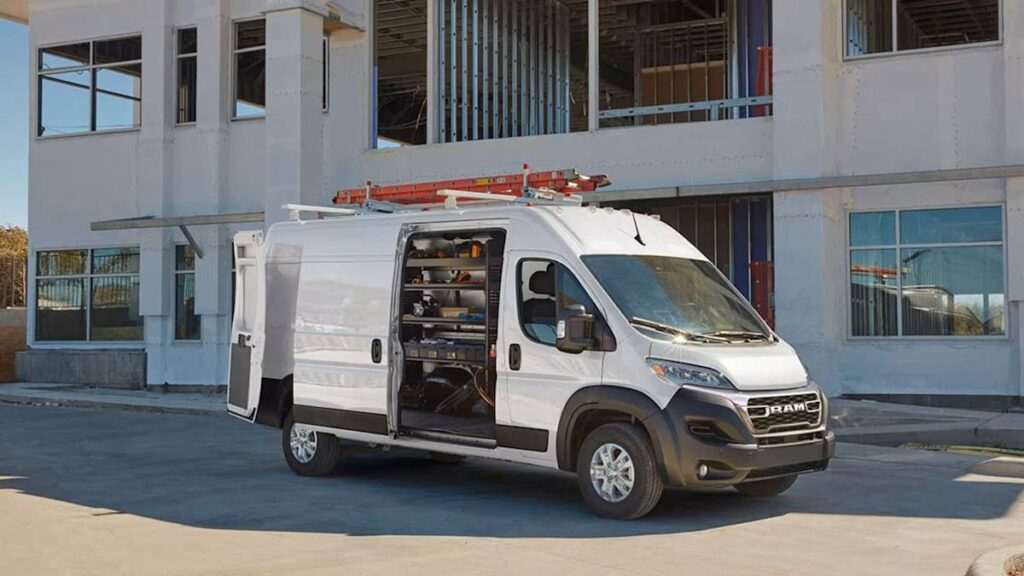
Inside the best work vans, comfort translates to sustained productivity. A supportive driver’s seat, clear visibility, and easy-to-use controls reduce fatigue on long days. Cargo management tools—removable shelves, cargo nets, and modular racks—save time and keep gear organized. Contemporary vans also bring driver-assistance tech, rearview cameras, blind-spot monitoring, and adaptive cruise, which help with delivery routes and urban traffic, though these systems add complexity and maintenance.
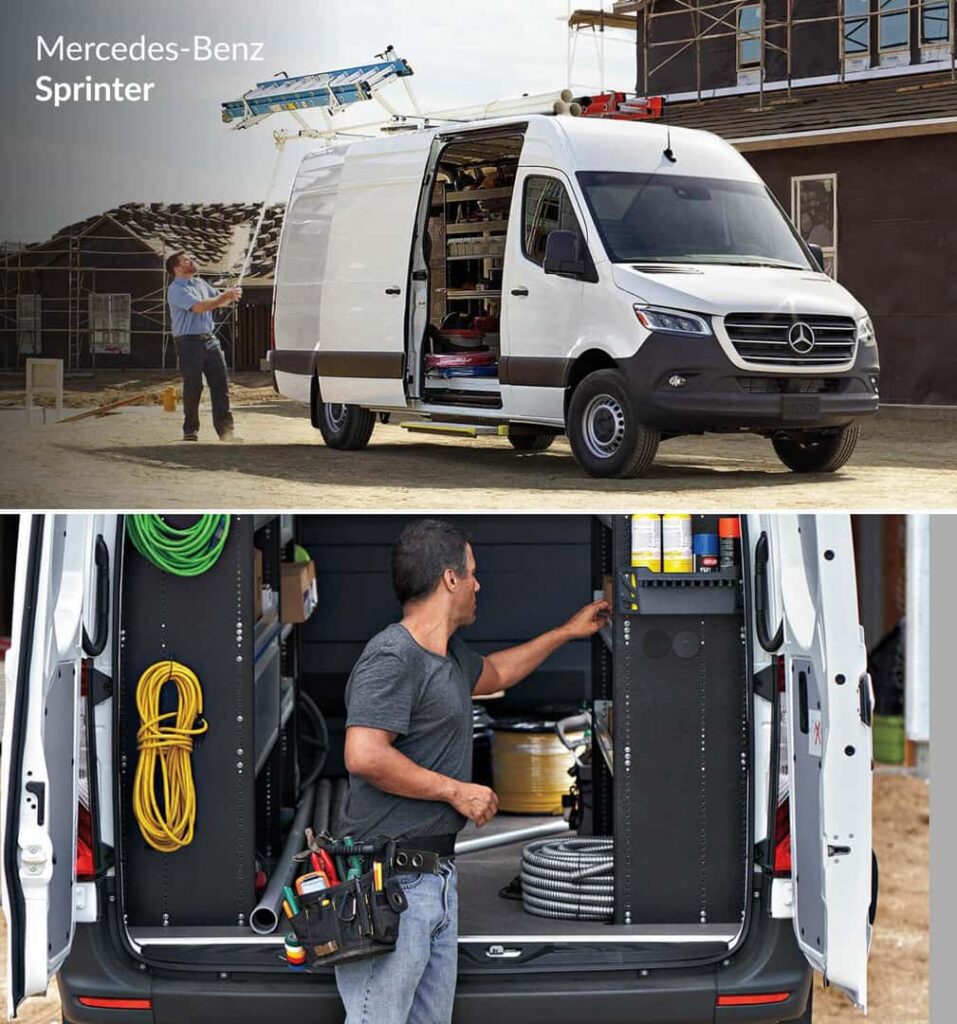
No single work van fits every fleet, so prioritize what matters most: payload for your typical loads, a drivetrain that balances reliability with fuel costs, and a workspace that your teams can use without frustration. Test practicalities like loading height, access doors, and driver comfort, then compare total ownership costs over three to five years. By weighing trade-offs between upfront price, durability, and after-sales support, you’ll pick a van that lasts.


