
Understanding 4 wheel drive vs awd helps you buy with confidence. This primer explains how the systems differ, where they excel, and what to expect in daily use so you choose the right drivetrain for your climate and lifestyle.
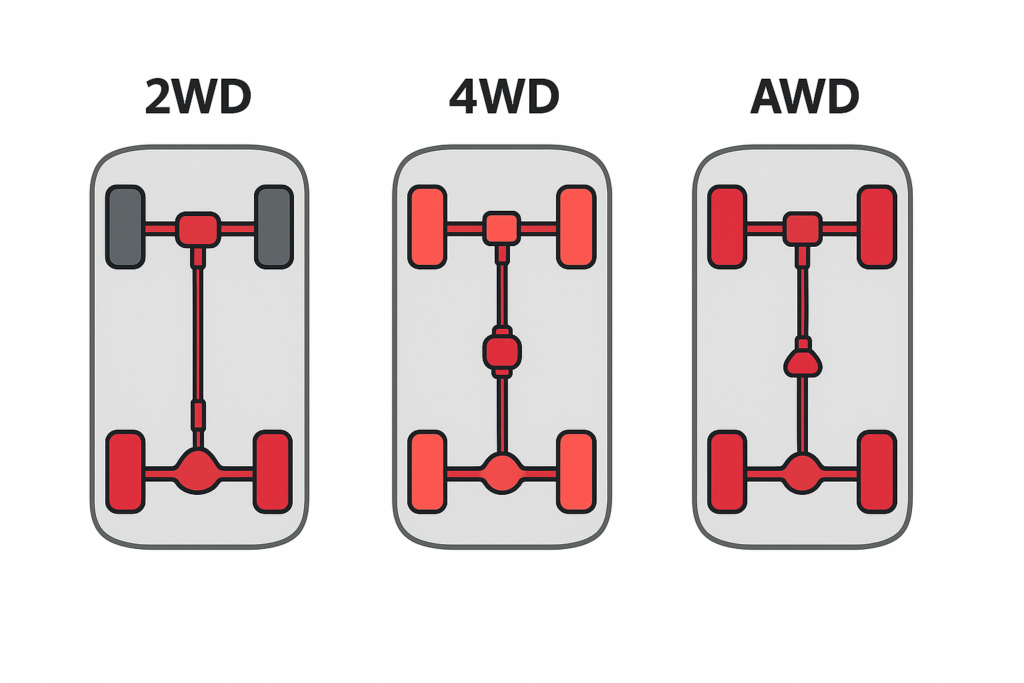
Why this topic matters goes beyond marketing. In daily driving, AWD delivers steadier traction in rain, light snow, and wet highways, creating a reassuring feel. True 4 wheel drive with a transfer case and low-range gearing is the better choice for mud, steep grades, or off road terrain. Understanding the difference helps buyers avoid overpaying for features they will not use.
What You Get
With 4 wheel drive, you typically see a transfer case that can engage front and rear drives simultaneously, plus a low-range option on many trucks and SUVs. AWD, by contrast, generally uses a center differential or clutch pack to modulate power between front and rear axles without a dedicated low-range. The result is more on road refinement and automatic adjustment.
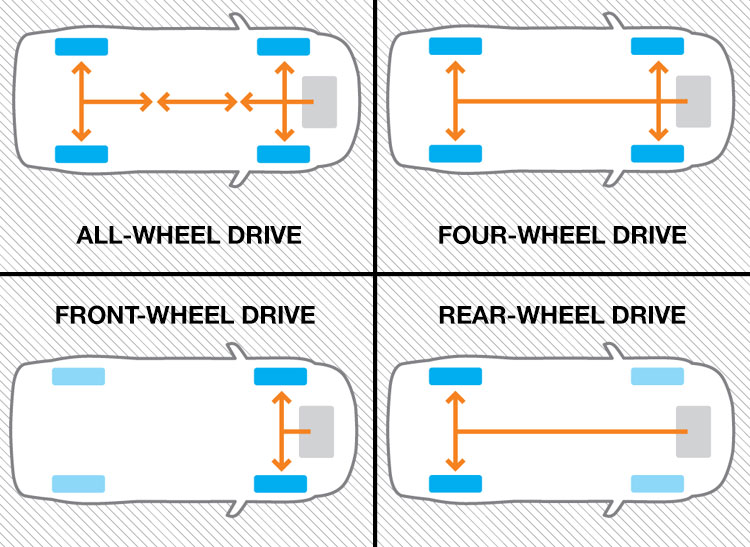
The configuration matters: part time versus full time systems, center differential type, and whether the setup can lock or behave like a mechanical locker. Some AWD platforms are always active and favor smooth traction, while others disengage the rear axle under certain conditions to save fuel. Four wheel drive setups often allow you to select low range for rugged terrain, which changes approach angles and wheel speed.
Performance, Efficiency and Practicality: In real world driving, AWD systems generally offer better grip on wet pavement and light snow, but they can add parasitic losses that reduce fuel economy. A proper 4 wheel drive with a robust transfer case and low range is the better tool for serious off road work or deep snow. Weight, tire choice and maintenance also shape how these systems behave day to day.
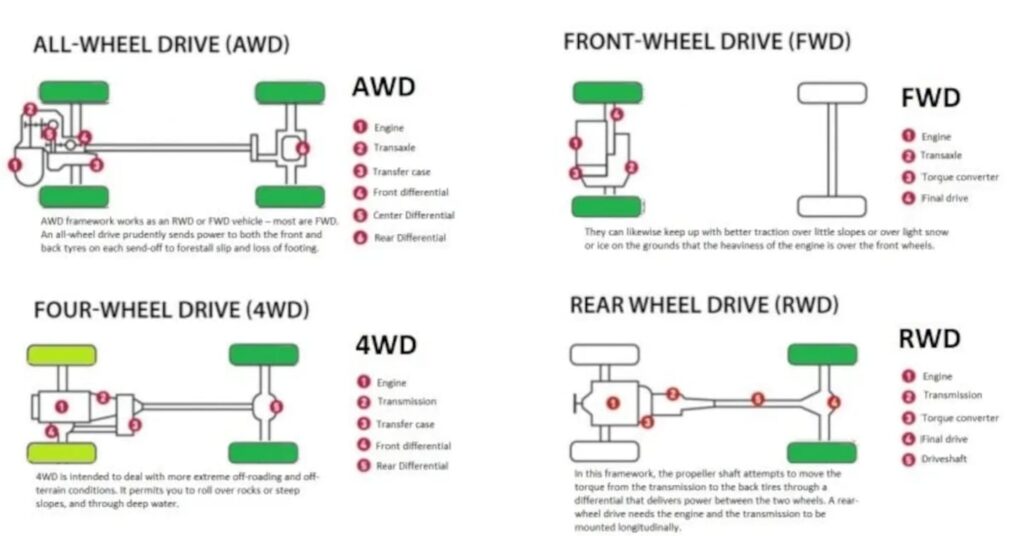
Comparison With Comparable Options: When evaluating options, consider how much you drive on pavement versus challenging terrain. AWD shines for daily driving in mixed weather and light towing, while a traditional 4×4 with a low range suits more demanding trails and work. You will see variations in center differential design, torque distribution, and electronic aids across brands that impact steering, stability and reliability. Align the choice with climate, use case and budget.
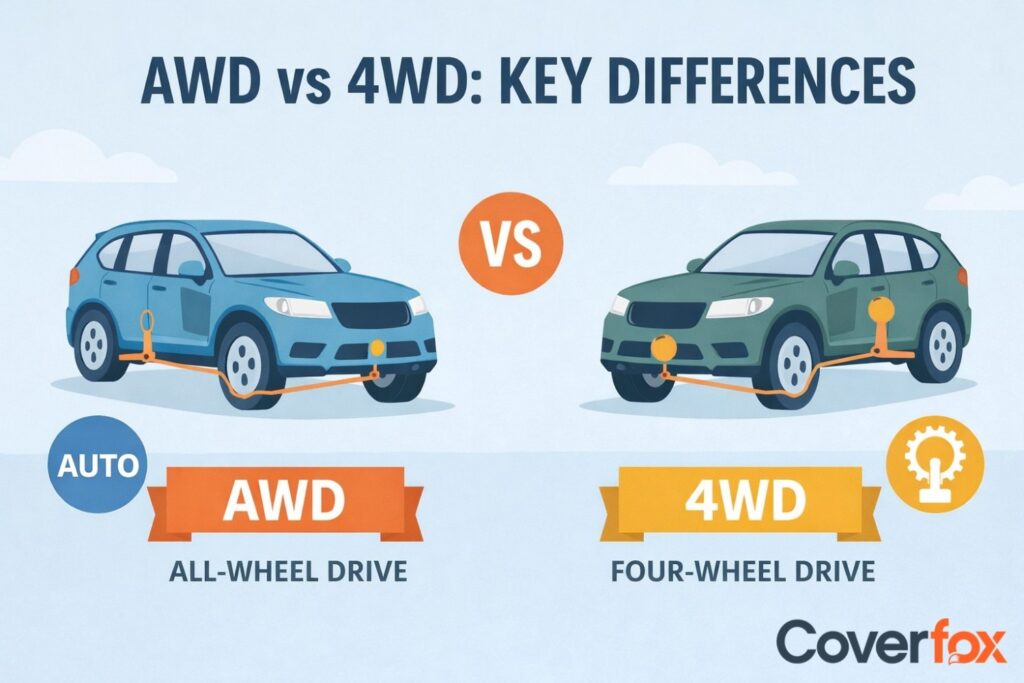
Final Take: There is no universal winner in the 4 wheel drive vs awd debate. AWD excels in everyday weather and light tow scenarios, whereas true 4×4 remains the preferred tool for off road and heavier loads. Consider tires, maintenance, fuel cost and how you actually use the vehicle every day. By matching a system to your climate, cargo needs and budget you can avoid buyer remorse.


