
Rhino car ramps are a practical companion on road trips, delivering a sturdy, portable way to lift a vehicle for quick inspections, tire changes, or routine maintenance during long drives. They blend light handling with solid footing, helping you stay confident on unfamiliar service stops.
For road trips, durability, load rating, and packability matter more than flashy features. Rhino ramps are designed to be light enough to carry in a trailer or SUV cargo area, yet rigid enough to handle common passenger cars. When choosing a ramp for a long drive, you’ll want a non-slip surface, a gradual angle, and a well-anchored base to reduce shifting on uneven pavement. A reliable ramp reduces the risk of tire scuffs and keeps your path clear on busy service roads.
Compared with portable jack stands or floor jacks, ramps offer a quick, stable alternative for level ground stopovers. Rhino ramps typically use aluminum or high-strength composites to balance weight and rigidity, with satin anodized finishes that resist corrosion, which helps them stand up to heat and road spray on multi-day journeys. Plan for storage in varying climates; exposure to rain, mud, or road salt can affect grip and wear over time. A clean, dry ramp stays dependable longer.
Key Takeaways
Key takeaways emphasize portability, solid construction, and clear load guidance. Rhino car ramps strike a balance between light handling and dependable stability, making them suitable for long trips that include quick maintenance checks. Expect easy set-up, resistance to common road grime, and compatibility with standard jack points, as long as you respect weight limits and manufacturer guidelines. For trips with limited space, the modular design of some Rhino ramps makes it easier to pack around gear.
Core Facts
Core facts to consider include rating, length, width, surface texture, and compatibility with tire sizes. Rhino ramps generally target common passenger cars with a conservative incline to minimize pinched undercarriage clearance and avoid contact with painted pinch welds. Look for a non-slip tread, beveled leading edges for smoother wheel entry, anti-slip side ribs, and a broad base to distribute load. Material choices matter: aluminum is lighter but can dent; steel or reinforced composites offer stiffness with more mass and higher impact resistance.
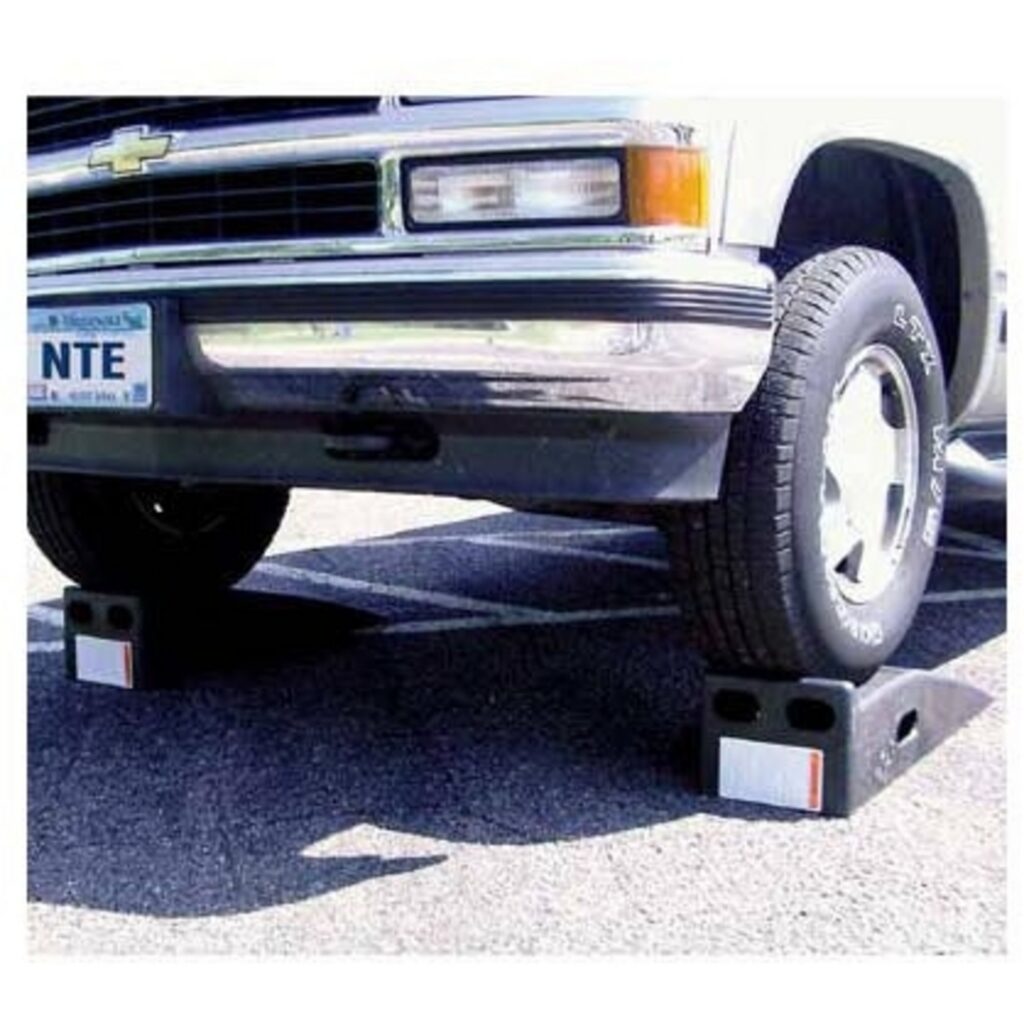
Strengths in real-world use center on practicality. In the field, Rhino ramps deliver predictable engagement on asphalt and light gravel, with consistent bite that minimizes wheel slip. The design supports routine maintenance without crawling underneath, and the materials resist weathering when stored properly. This makes them especially useful for rental cars or shared vehicles on road trips, where quick, repeatable setups save time between stops.
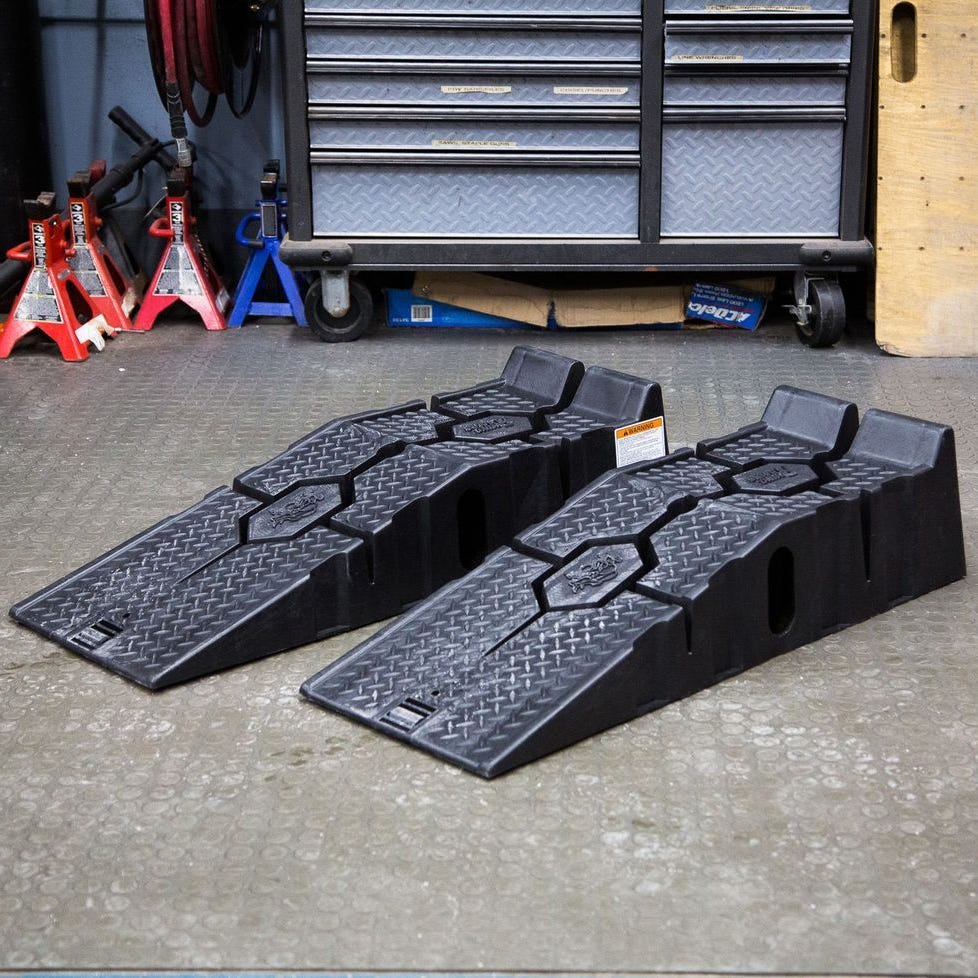
Practical Strength comes from stability, weight distribution, and wheel-friendly interfaces. Rhino ramps typically offer broader tread to reduce edge damage, and beveled ramps help wheel alignment during entry. A robust finish resists road salt and moisture, while clear grip patterns reduce grime buildup that can compromise traction. On uneven surfaces, confirm the ramp's footprint and pressure distribution align with your vehicle's clearance to avoid undercarriage contact.
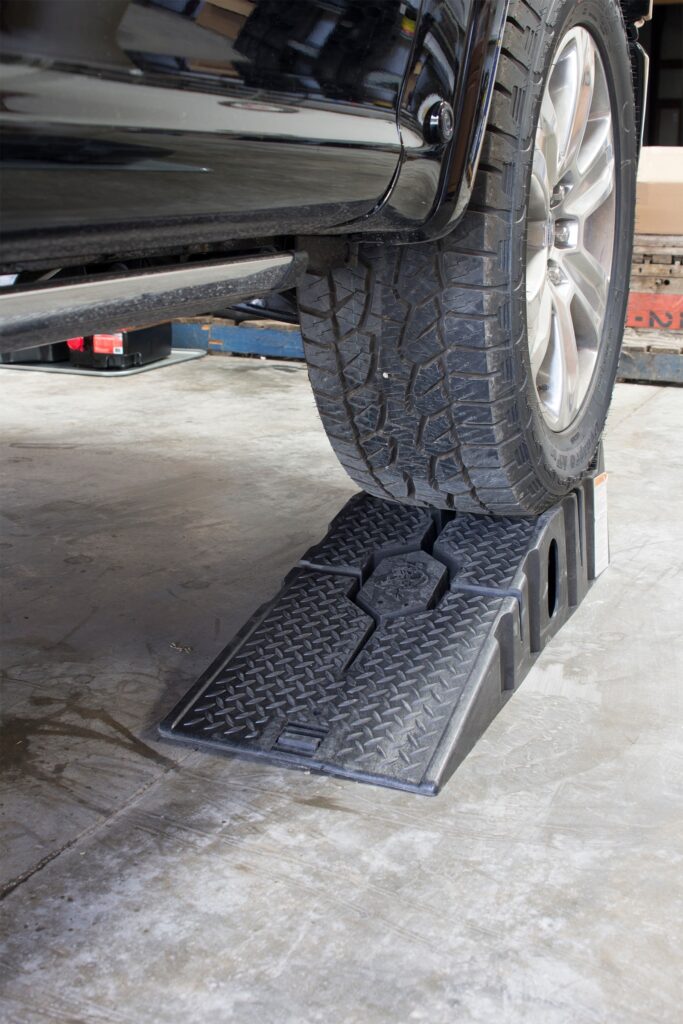
Performance or efficiency strengths come from quick setup, compact storage, and predictable ramping geometry that reduces lift time on the shoulder of a highway stop. On road trips, this translates to less downtime per tire change and more time enjoying the scenery. The trade-offs are modest: lower weight ratings than heavy-duty alternatives, less rigidity on rough surfaces, and a potential need for more careful placement on soft soil or gravel.
Compared with steel ramps, Rhino units weigh less, ship in smaller boxes, and resist corrosion, which helps longevity in varied climates.


