
The mitsubishi outlander 3rd row configuration emphasizes practical family versatility without a stand-alone SUV price tag. This explainer breaks down how the third row performs in daily life, what you gain in cargo flexibility, and where trade-offs become noticeable during regular trips and weekend getaways.
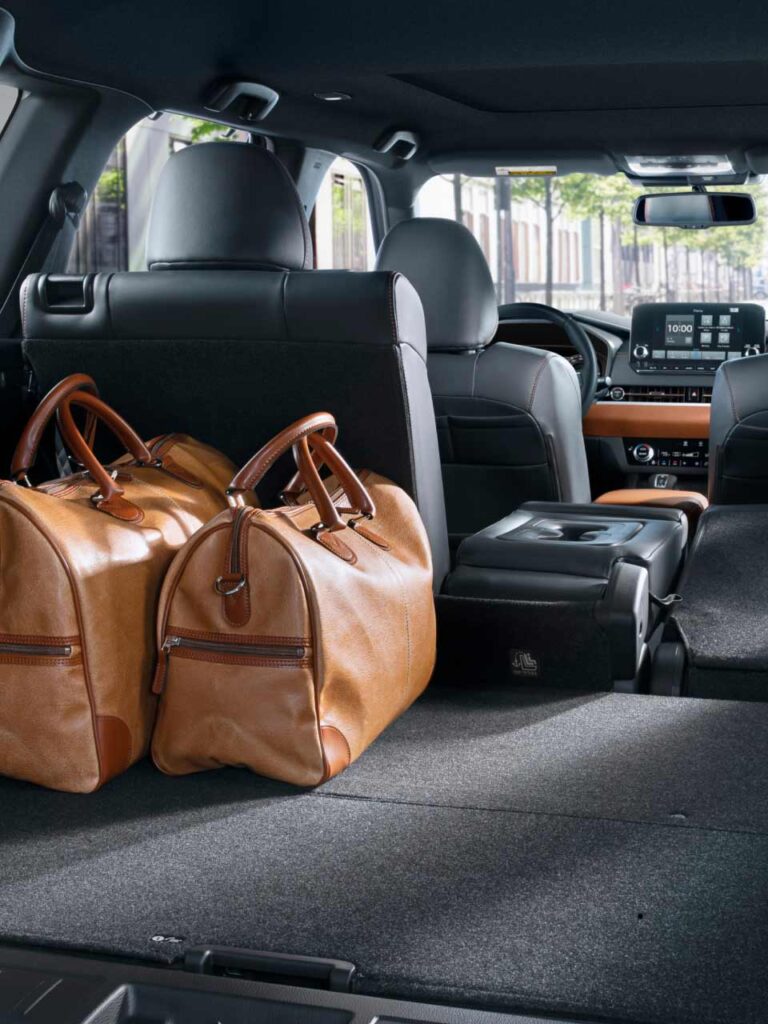
Quick Take: The Outlander’s third row adds seating capacity without a stand-alone SUV price tag, making it a sensible family choice for occasional seven-passenger use. The third row is most comfortable for children or shorter trips; when in use, cargo space shrinks noticeably, and access can feel tight for adults. On the road, ride quality stays composed, with a refined cabin, intuitive infotainment, and a straightforward all-wheel-drive setup. A plug-in hybrid variant adds electric assistance for urban drivers.
Daily Driving or Use
For daily driving, the Outlander feels approachable in town thanks to a relatively compact footprint for a three-row SUV. The standard powertrain offers smooth acceleration for merging or cruising, while the CVT can drone slightly under hard throttle. The real benefit is the packaging: the third row tucks away when not needed, preserving cargo flexibility and easy access through the second row with a wide-opening rear hatch.
Comfort and convenience hinge on seat ergonomics and cabin layout. In typical trims, captain’s chairs or a bench in the second row offer ample legroom for adults, depending on wheelbase and seat position. Third-row passengers may appreciate kid-height headroom and better shoulder room than older compact three-rows. A user-friendly climate system, multiple USB ports and folding controls help keep the cabin adaptable for different trips.

Comfort and Convenience
Access to the third row improves when the second row slides or folds forward with minimal effort, a feature that matters for frequent entry in family life. The outlander’s interior finishes vary by trim, with softer materials on higher grades and durable fabrics on base models. Infotainment navigation generally responds quickly, and smartphone integration supports streaming music and directions on the move.
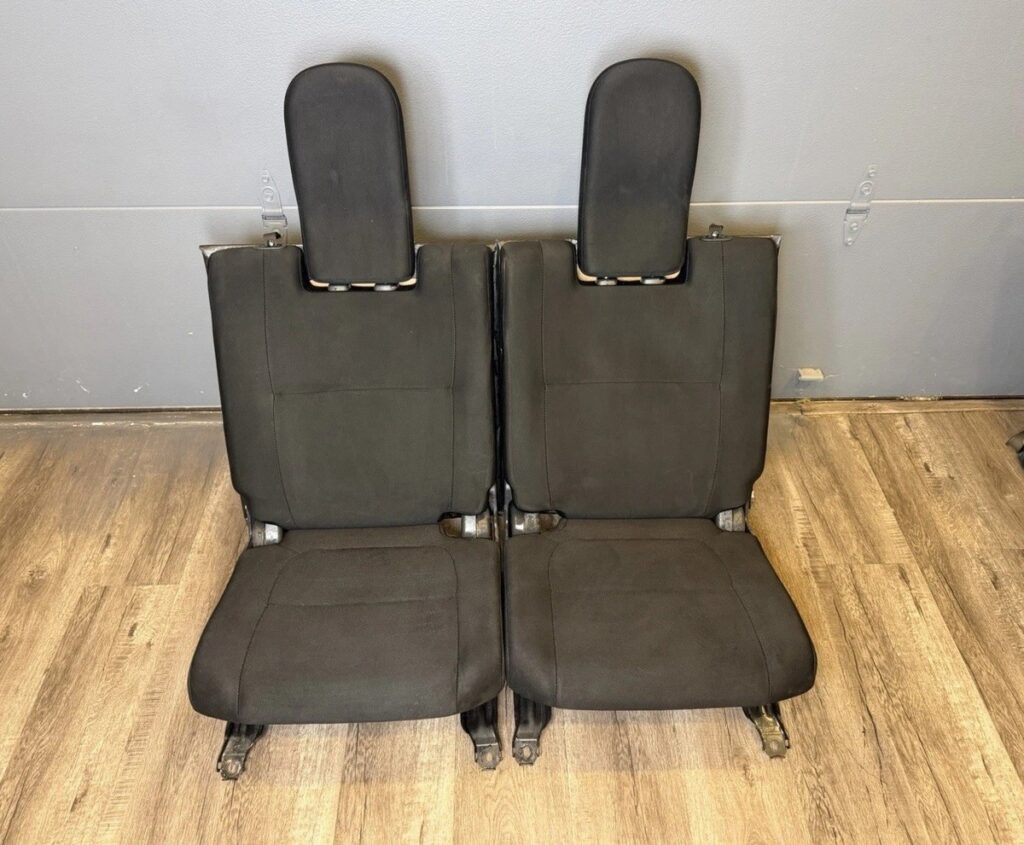
When the third row is folded flat, the cargo floor opens up significantly, enabling everyday hauling or weekend gear. The rear seats split, allowing mixed configurations of passengers and cargo. Exterior measurements stay competitive in its class, helping parking and fueling; however, the trade-off is a smaller freight area when all seven seats are in use, which is common for this segment.
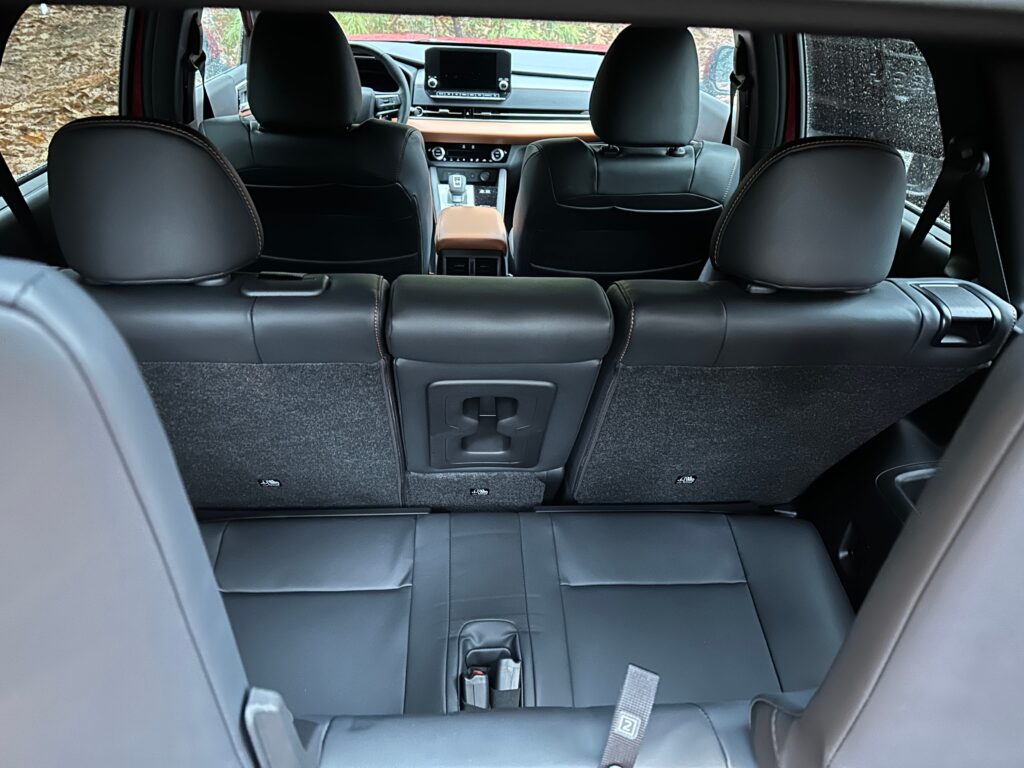
Specifications, features or capabilities in the Outlander 3rd row package emphasize versatility: flexible seating, available all-wheel drive, and a suite of driver aids. The cabin centers on a modern infotainment system with smartphone integration, while cargo space and safety are managed through adaptable seating and multiple airbags. Powertrain choices vary by trim, with a gasoline setup in most markets and a plug-in hybrid in selected regions.


