The 2026 Ford E-Transit aims to cut operating costs with electric power, but shoppers want practical numbers on ownership, charging, and maintenance. This review centers on value, total cost of ownership, and how the van performs in daily routes, fleet use, and resale, not just sticker claims.
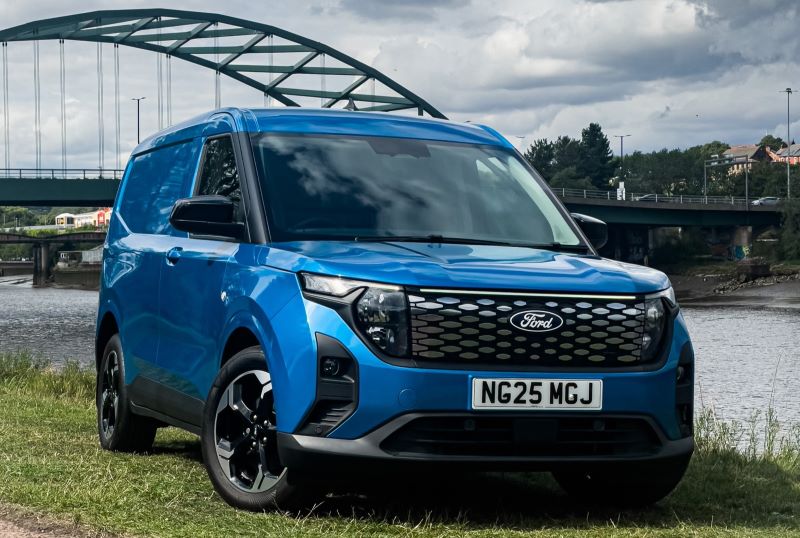
On the daily commute, the E-Transit feels smoother and quieter than many traditional work vans, which helps reduce driver fatigue. The instantaneous torque from the electric motor makes merging and overtaking in urban traffic effortless, especially when you’re not carrying a full load. Heavier cargo does sag performance a bit, but the van remains sufficiently responsive for routine deliveries. Ford aims for a calm cabin, and the design mostly delivers that in real-world use.
Value and ownership costs
Range and charging are the practical pivot points for this van, especially for fleets. Ford’s official figures vary by model, climate, and load, and independent observations often provide a fuller picture. In real life, charge times and the number of stops needed for a typical route can influence daily schedules and downtime. A well-planned charging strategy matters nearly as much as the initial purchase price.
Cost of ownership extends beyond sticker price. Electricity costs per mile are typically lower than gasoline, but charging infrastructure, depreciation estimates, and maintenance pricing for electric components all factor in. If your fleet already uses Ford Pro services, you may gain access to telematics and maintenance planning that can shave downtime. The financial math remains highly route- and depot-dependent.
Technology and safety features
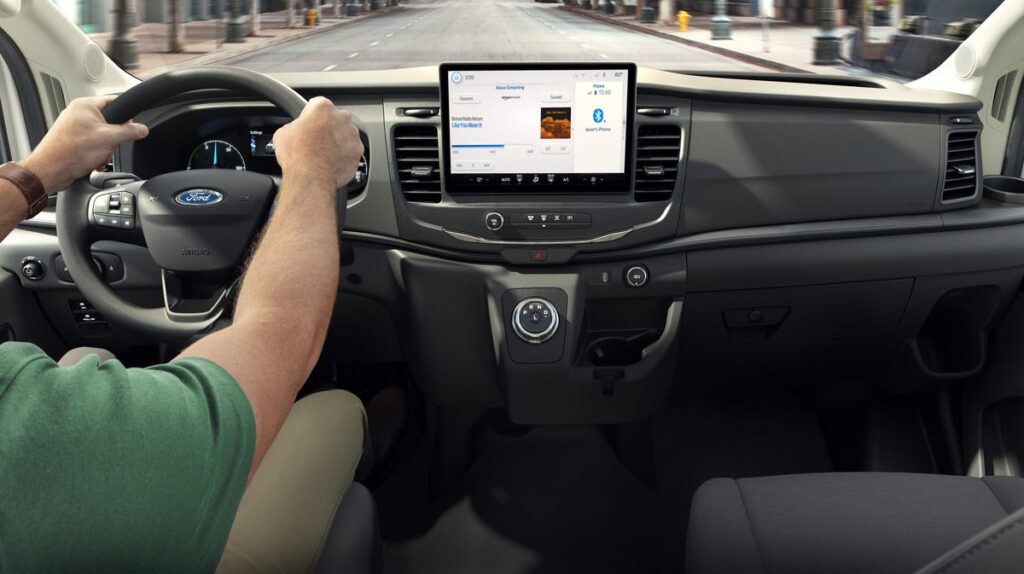
Payload space and cargo flexibility are essential for a work van, and the E-Transit aims to maximize both. The cargo area is adaptable with tie-downs, configurable shelves, and easy access through wide doors, which helps speed up loading and unloading. The cabin itself prioritizes straightforward controls and clear visibility for operators who are moving in and out of tight spaces. Overall, it favors practical usability over luxury.
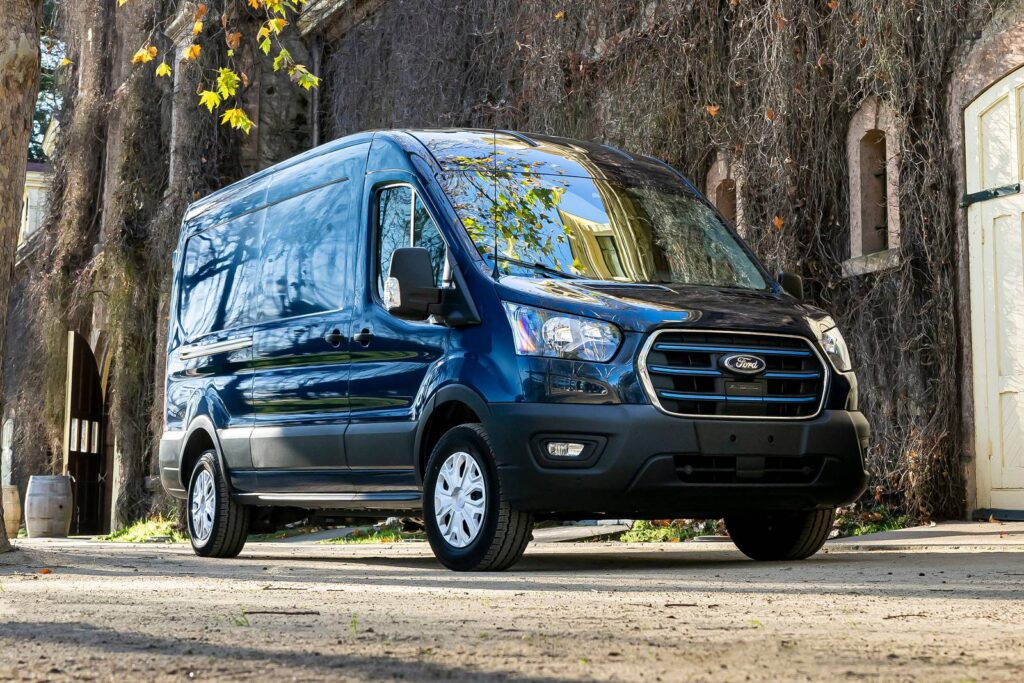
Technology is focused on utility rather than pampering. The Pro grade interfaces with fleet software and telematics to track routes, charging, and service needs, which matters for ownership costs. The infotainment system is straightforward for drivers who need to stay hands-on; voice commands help keep eyes on the road in busy urban scenes. Safety systems provide reminders and warnings, though they are not a substitute for driver attention.
Reliability evidence for the E-Transit in real-world fleets will depend on model year, battery pack, and maintenance practices. Electric vans can reduce routine maintenance but replace some components with battery and software complexity, which may shift costs rather than eliminate them. Warranty coverage and service options vary, so shoppers should compare plans and dealer support, then verify with independent owner feedback or fleet reviews.