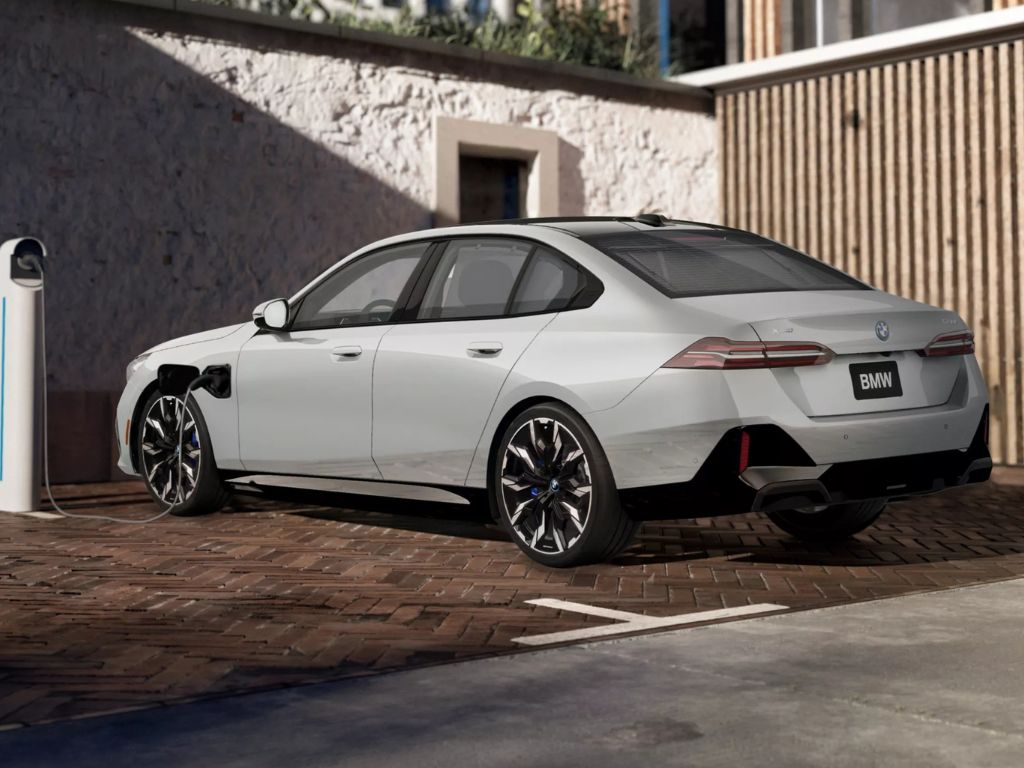
BMW's 2026 5 Series emphasizes safety-forward refinement while preserving balanced handling and a quiet, premium interior. This review prioritizes safety systems, driving dynamics, and ownership considerations, clearly distinguishing BMW claims from independent data and safety assessments.
New for 2026, the 5 Series emphasizes safer driving through updated driver-assist systems, revised chassis tuning, and more efficient powertrains. BMW also refreshed the cabin with larger screens and more intuitive controls, while preserving the balanced ride and confident handling the model line is known for. Many features are now more widely available across trims, though exact configurations can vary by market, so verify locally with a dealer or official brochure.
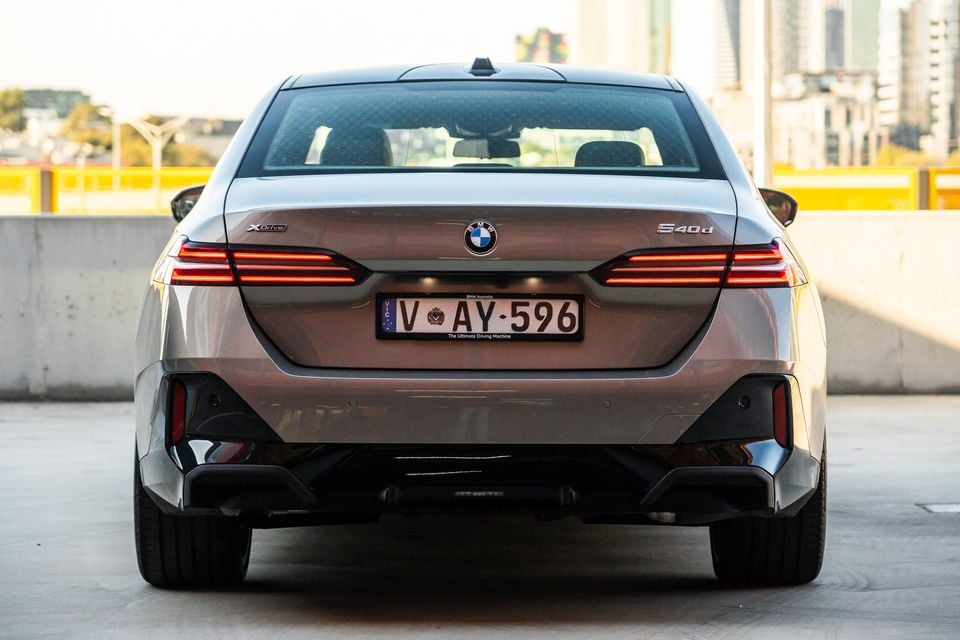
What’s new for 2026
On the road, the 2026 5 Series feels composed with balanced handling and a smooth ride. The adaptive suspension, when equipped, damps bumps without sacrificing control, and the steering is precise enough for confident lane changes. The powertrain offers ample midrange torque for effortless merging, while stability and traction systems intervene subtly rather than intrusively. In rain or light traffic, safety modes prioritize smooth throttle and braking for calmer, more predictable driving.
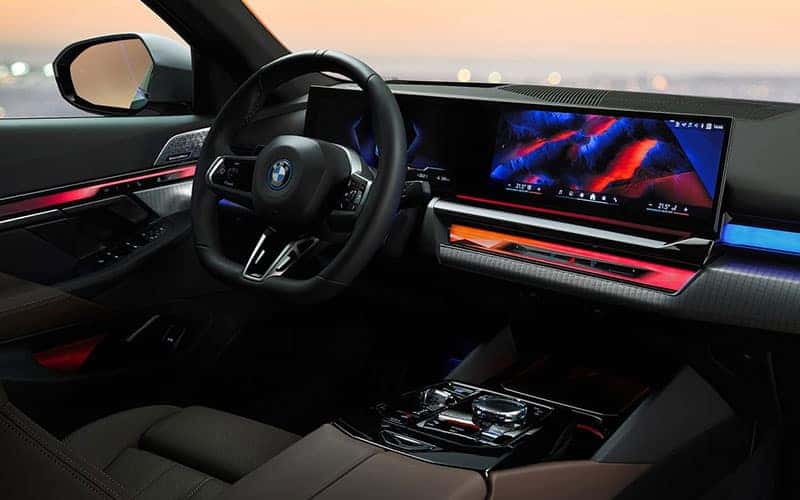
Inside, the 5 Series continues a premium vibe with high-quality materials, supportive seats, and a quiet cabin. Front seats offer adjustable support, and rear legroom remains generous for a midsize sedan. The upgraded infotainment system provides clearer menus and faster response, though some one-handed gestures may take time to learn. Sound insulation helps reduce wind and road noise at speed, contributing to a calm environment that complements safety-centric driving.
Safety tech overview
BMW’s driver-assist package includes collision warning, automatic emergency braking, blind-spot monitoring, and rear cross-traffic alerts as standard across most trims. Optional Driving Assistant Pro adds lane-centering, adaptive cruise with stop-and-go, and steering assistance that can reduce driver workload on long highway journeys. Manufacturer claims emphasize smoother operation and earlier intervention, while independent safety agencies will publish ratings after testing; until then, verify configurations locally and consider how these systems match your typical driving scenarios.
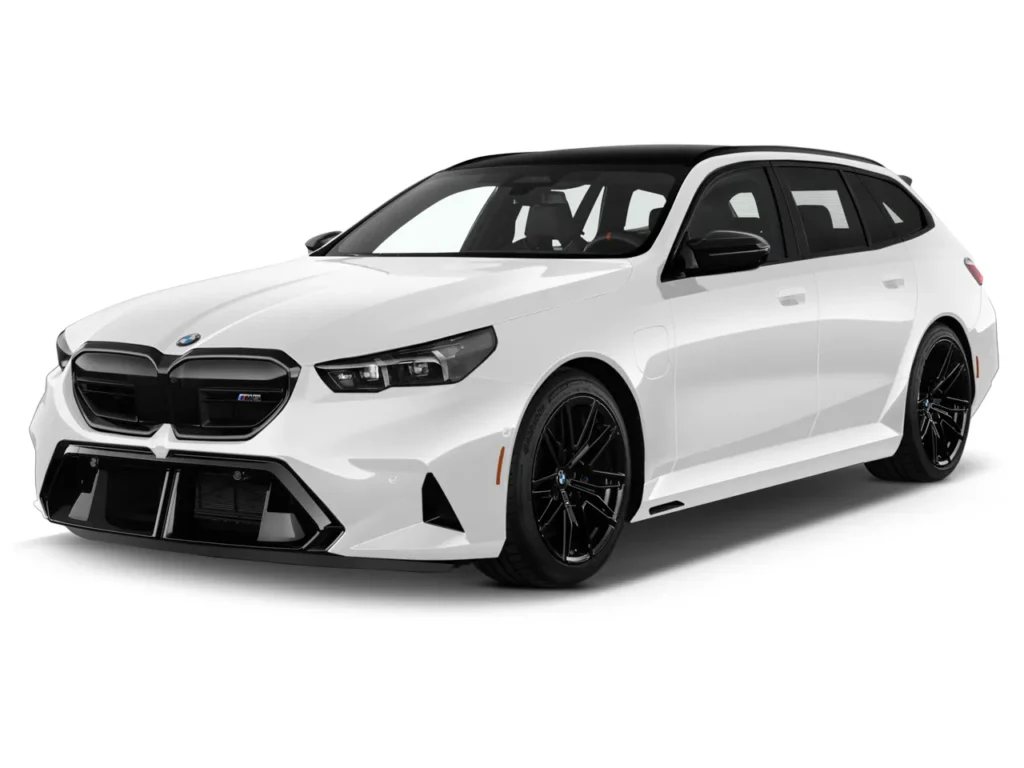
The 5 Series remains a practical choice in its class, with a roomy trunk that accommodates daily cargo and a 40:20:40 split-folding rear seat to expand versatility when needed. USB-C and wireless charging options help keep devices powered during commutes, and rear passengers benefit from generous knee room. The trunk opening is wide for easy loading, and the sedan’s design keeps a relatively low load floor for easier access.
From an ownership perspective, costs hinge on fuel type, maintenance plans, and service intervals, with potential savings from improved efficiency and safety-driven insurance advantages. The 5 Series lineup offers several trims with varying equipment levels, and competitors such as the Audi A6 and Mercedes E-Class remain strong in safety tech and warranty coverage. Because official reliability data for the 2026 model may lag, use independent reviews and owner reports when assessing long-term value and risk.