This road-trip–focused 2026 Toyota Sequoia review analyzes the current generation, annual differences, engines and transmissions, recalls, common problems, reliability signals, maintenance needs, and ownership costs, with practical guidance for long-distance travel and transparent notes on manufacturer claims versus independent observations.
Generational Details
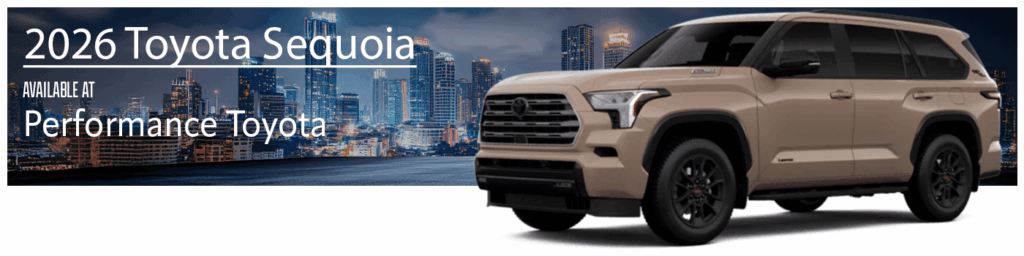
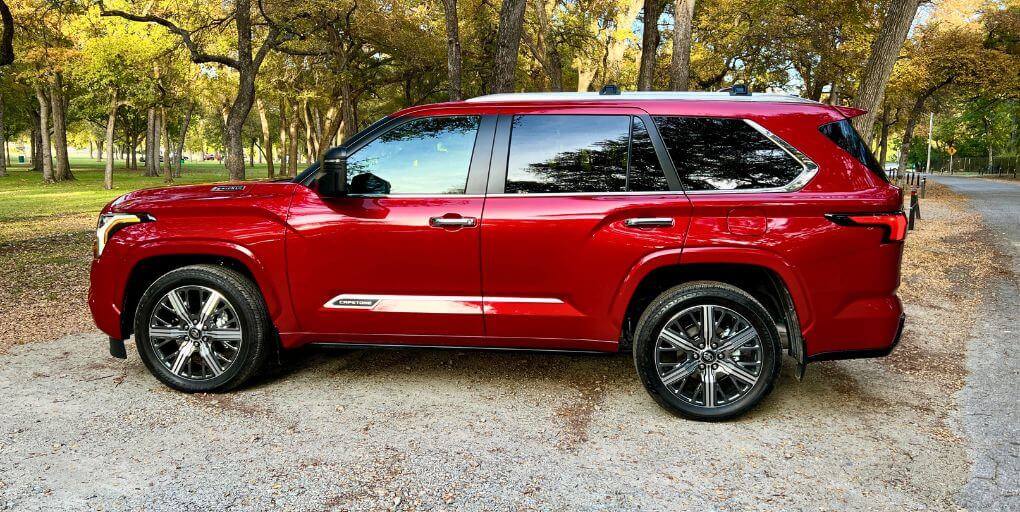
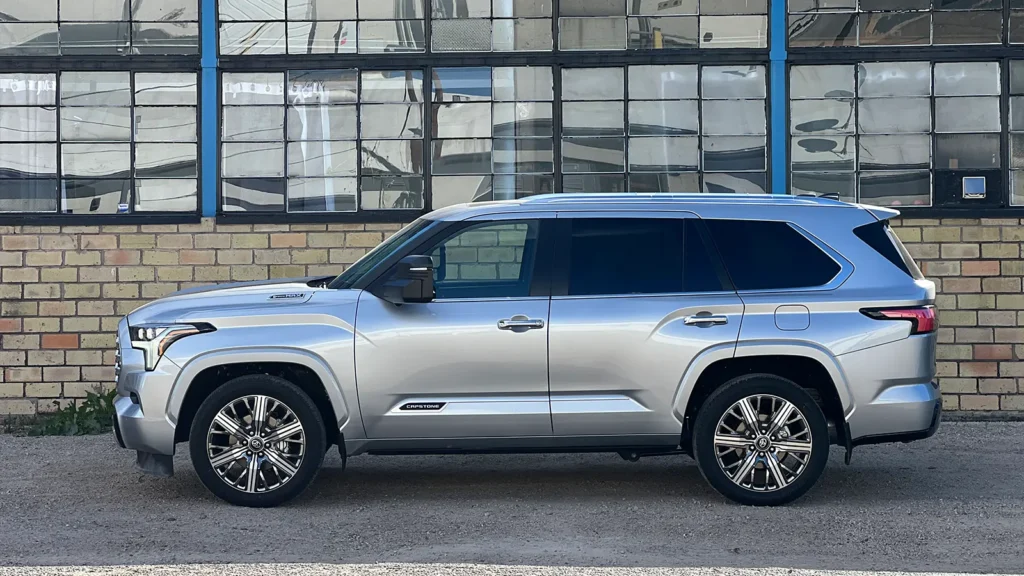
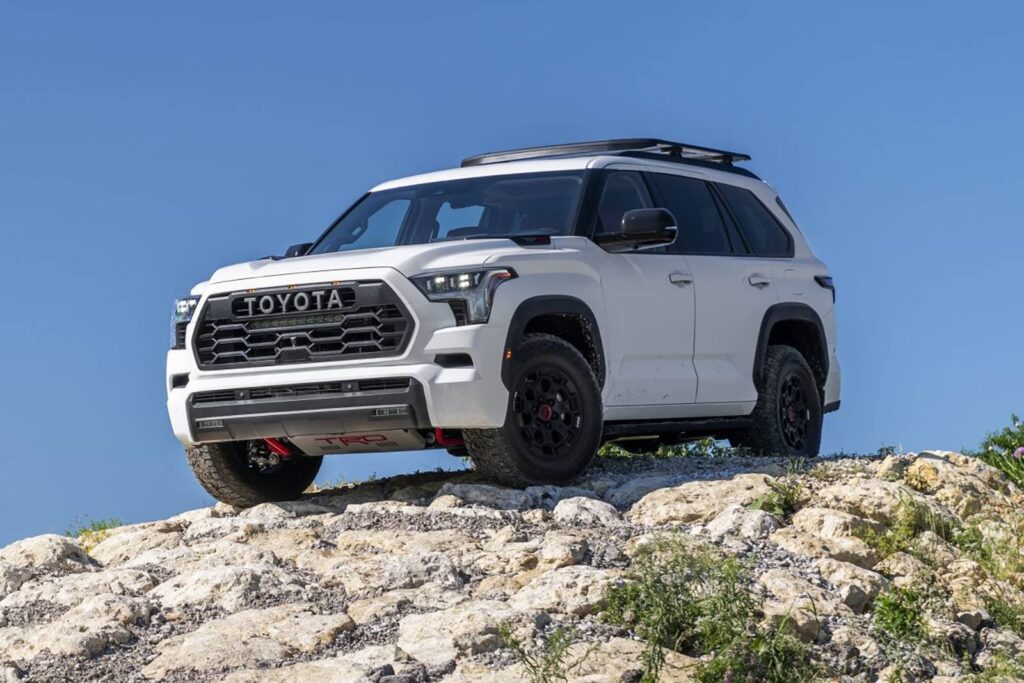
Toyota launched the Sequoia as the current third-generation in 2023, built on the Tundra platform. By 2026 the core design remains, but model-year differences show trim-level changes, updated infotainment, and tweaks to standard equipment. Buyers should compare the exact features for MY 2023, 2024, 2025, and 2026 rather than assuming uniform specs across years.
Power and Drivetrain
The Sequoia uses a 3.5-liter twin-turbo V6 hybrid (i-Force MAX) paired with a 10-speed automatic, delivering strong torque for road trips and towing. All trims with four-wheel drive offer the hybrid setup; a traditional V8 option is unavailable in recent years. The hybrid pairing prioritizes smooth acceleration and steady highway performance, with payload and efficiency depending on configuration.
Recalls have affected Sequoias in this generation; verify your vehicle's VIN against NHTSA and Toyota recall databases. Safety agency notices note potential concerns with airbags, sensors, or software updates, and owners sometimes report infotainment glitches. There isn't a robust long-term reliability dataset for the MY 2023–2026 Sequoia yet, so verification from official sources is essential.
Maintenance follows Toyota's schedule for hybrid SUVs, with synthetic oil changes, fluid checks, and brake service at recommended intervals. For road trips, inspect tires, brakes, cooling system, and the tow hitch wiring. The hybrid system requires attention to high-voltage components, so ensure a documented service history for battery, inverter cooling, and ignition.
Depreciation for late-model Sequoias is influenced by Toyota reputation and the vehicle's utility for road trips; availability and trims drive resale. Safety features span modern driver assists, but verify standard content year-to-year. Ownership costs depend on fuel, maintenance, insurance, and warranty coverage; confirm recall remediation, and plan for tires, brakes, and potential high-load towing equipment.