
The 2026 Toyota Highlander frames road trips around steady highway manners, a roomy interior, and dependable, simple operation. It prioritizes comfort, cargo flexibility, and predictable ownership, while accepting some rear-seat access compromises and ride finesse tradeoffs compared with larger or more premium rivals.
On long highway stints it feels stable and predictable, with a refined ride on smooth pavement. The steering lightens at city speeds but remains confident through curves, aiding maneuvering on scenic routes. Power delivery is smooth for merging and cruising, and the cabin stays quiet enough to keep conversations clear on a full-length road trip.
Road-trip driving balance
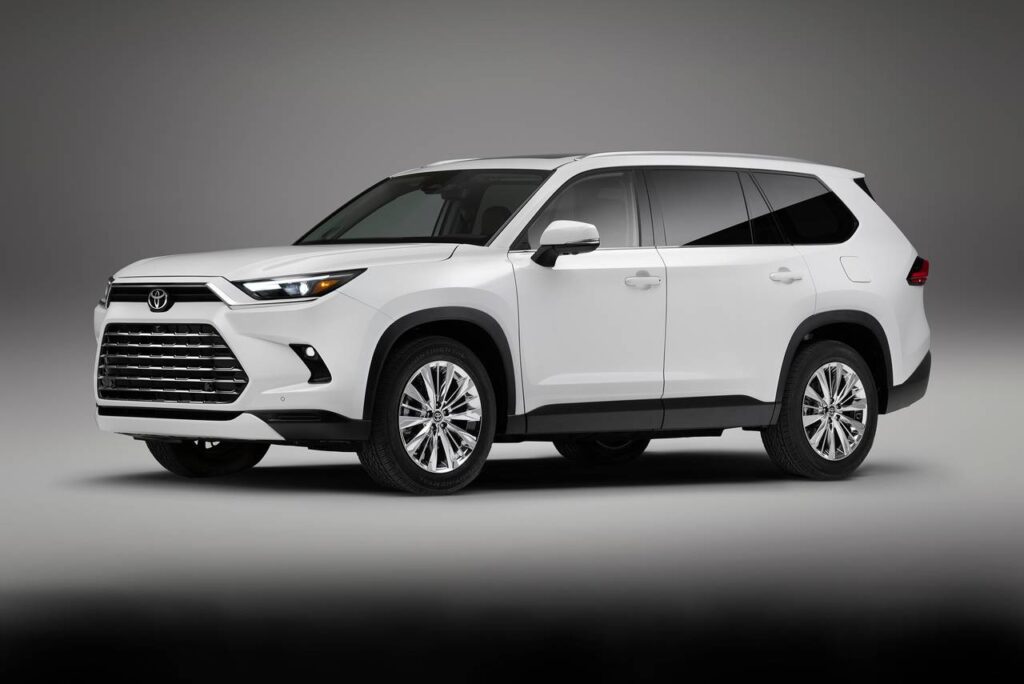
Interior comfort is well-suited to longer trips, with supportive seats and straightforward climate controls. The large cabin design helps with visibility and easy reach to common controls during drives. In the second row, legroom is reasonable for adults on long trips, while the third row remains best for kids or occasional use.
Technology leans toward practicality, with a straightforward infotainment system and common-sense connectivity. A suite of driver-assistance features aims to support highway trips, including adaptive cruise and lane-keeping where offered. For those who value the latest niceties, some advanced features may require higher trims or optional packages. Editorially, it avoids overwhelming interfaces, which helps travelers stay focused.
Safety and reassurance
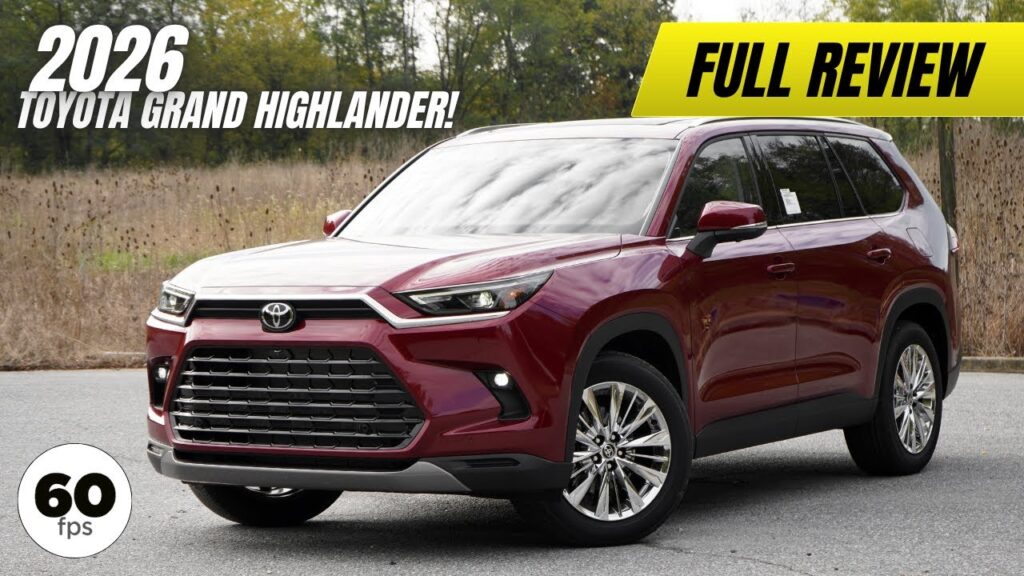
Safety remains a clear focus; official assessments from safety agencies should be consulted for ratings, and independent test data or owner feedback should be weighed against personal driving needs when planning trips with passengers and cargo.
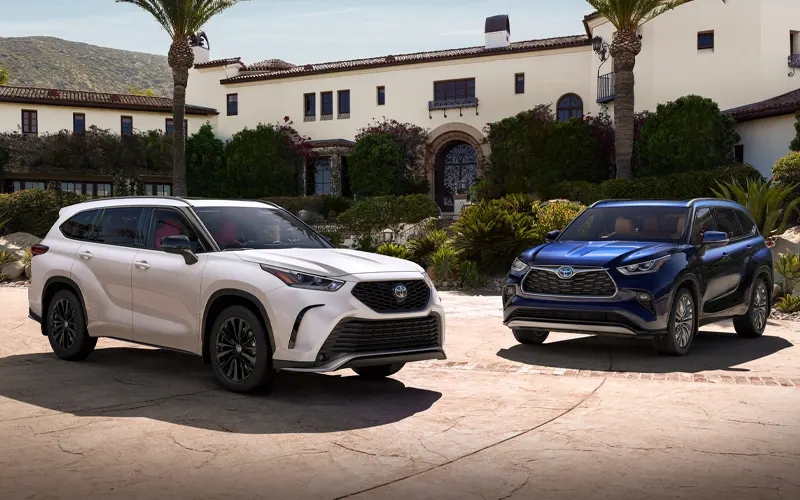
Efficiency varies by powertrain choice, with Toyota emphasizing balanced performance and long-term durability. Real-world numbers depend on load, terrain, and driving style, while owner experiences often highlight low maintenance needs and steady depreciation. For road trips, consider the mix of seating, cargo, and fuel planning alongside official estimates. Verify local costs and any incentives when comparing trims.
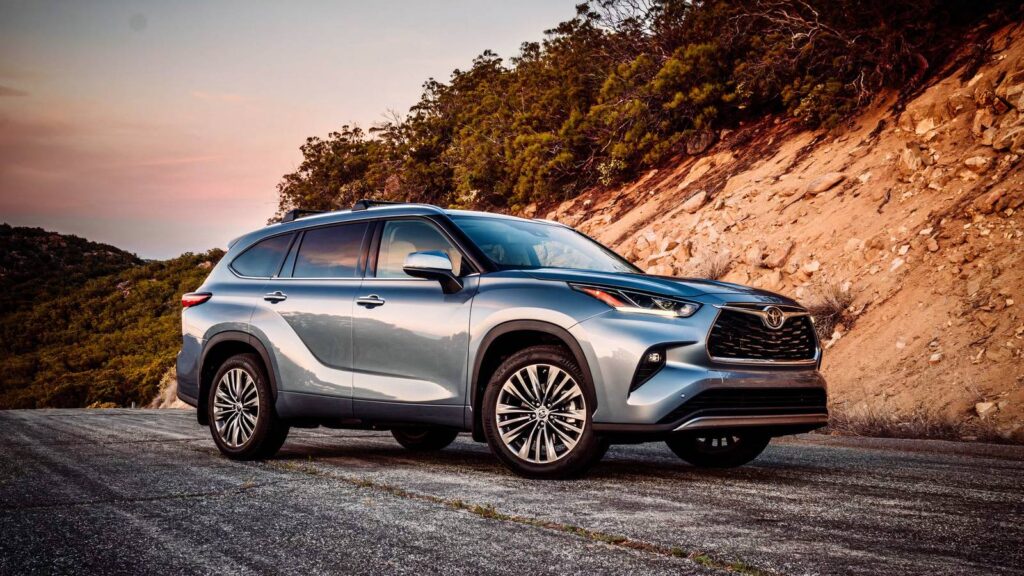
Alternatives to consider for road trips include midsize crossovers with different emphasis, or larger SUVs with greater cargo or seating capacity. Compare Highlander against rivals in interior space, ride refinement, and perceived reliability. The best choice depends on trip-length, passenger count, gear, and how much you value simplicity versus advanced features.


