The New Car Buying Guide is your compass from first question to final key turn, helping you identify needs, set a realistic budget, and evaluate options so you can buy confidently without overspending or compromising safety. This page walks you through every decision point, from needs assessment to delivery day.

Start by mapping your needs and setting a practical budget. List must-haves (five-seat seating, strong safety tech, adequate cargo space) and nice-to-haves (premium audio, heated seats, driver memory). Consider your typical daily use: commute length, cargo volume, passenger count, and whether you drive in challenging weather or on rough roads. A clear plan helps you avoid impulse buys and chase every new feature. Before you look at dealers, decide on a price ceiling you can justify with your finances and real world use. Don’t confuse monthly payment with total cost; a low monthly figure can mask a longer loan or higher interest. Also decide whether your buying goal is the best upfront price or the best long term value. If you are weighing models within the same class, compare core specs: engine performance, transmission, warranty terms, cargo space, back seat comfort, and real world fuel economy rather than marketing numbers. For many buyers, the right path starts with a pragmatic evaluation of how you will use the car daily, followed by a research phase that prioritizes durable reliability and predictable maintenance costs. A practical exercise is to create two simple budgets: one for a brand new vehicle with standard features and another for a slightly older model that still meets your needs, then examine the difference in depreciation and expected maintenance. Finally, decide whether you want the latest model year for newer technology or the best value available, and understand that new car incentives and financing options can move the math, but are time sensitive and region dependent. If you are tempted by dealer add ons or optional packages, keep a running checklist of what is essential versus cosmetic, so you can push back confidently during negotiations. In addition, use reputable sources for initial model research, watch short test drive videos, and note how each car handles daily tasks like highway merging, parking, and quick lane changes. This early stage sets the foundation for a buying plan you can defend with data rather than vibes, and it reduces the temptation to overpay for features you will not use. Finally, consider whether a simple spreadsheet or a budgeting app makes the process smoother, and keep all quotes organized in one place.
Clarify Your Priorities
Research phase deeper: model year, trims, powertrain options and how they align with your needs. For new cars you typically have choice of trim levels; evaluate differences between base, mid and top trims, and assess whether paid options provide meaningful value. Analyze powertrain choices including traditional gasoline, hybrid, plug in hybrid and electric propulsion, and correlate expected fuel consumption and charging needs with your daily routine. Evaluate safety and driver assistance packages such as automatic emergency braking, adaptive cruise control, lane keeping assist, blind spot monitoring, and rear cross traffic alert. While some features carry higher upfront costs, they can impact resale value and insurance costs, as well as user satisfaction. Be mindful of the price delta between trims, target equipment levels, and warranty terms. Distinguish between MSRP and the total price including destination charges, taxes, and any regional incentives or dealer fees. If you plan to lease, compare lease terms, mileage allowances, and end of lease conditions, and consider how mileage and wear could affect long term value. Plan a test drive that mimics your real driving: highway passes, steep hills, freeway merging, and quick accelerations from a standing start, while noting ride comfort, road noise, steering response and brake feel. While dealer finance and manufacturer incentives can alter the bottom line, a careful break even analysis helps you decide whether a higher trim is worth the extra cost or if a more modest package offers similar daily usefulness. Build a short checklist you will reuse across models: reliability history, service intervals, nearby maintenance costs, towing capability if needed, and compatibility with your lifestyle. Finally, hedge your research by checking safety ratings, reliability scores, recall histories, and the predicted depreciation curve over the first several years. By grounding your study in practical use and verifiable data, you reduce the risk of buyer remorse and keep your expectations aligned with what a new car can realistically deliver.
Powertrain choices and ownership costs are often the decisive factors when buying a new car. Start by comparing gasoline engines with hybrid or plug in hybrid variants and consider how your daily miles, charging availability, and climate affect efficiency. Do not assume a more powerful engine always saves money; the extra cost and potential maintenance can offset performance gains in daily use. If you are considering an electric vehicle, estimate charging setup needs at home, the availability of public charging, and the potential impact on your energy bill, as well as residual value and battery warranty terms. For traditional gasoline models, assess maintenance expectations, oil change intervals, required parts, and the manufacturer’s service network for your region. For every option, calculate total ownership costs: depreciation, insurance, taxes, registration, tires and brakes, and expected fuel or electricity usage. Compare the cost delta between trim levels, and question whether advanced safety tech is included as standard or optional. Look beyond sticker price to total cost and consider extended warranty coverage, maintenance plans, and insurance expenses. If you drive in harsh climates, verify cold weather specifications such as battery performance and cabin heating. When evaluating reliability, focus on long term durability rather than initial performance, and give preference to brands with well documented warranty support and scalable service networks. Finally, consider resale value and model year risk, since certain designs depreciate differently depending on market trends and consumer demand. This deeper analysis helps you avoid regret after delivery and ensures you pick a configuration that fits your budget while delivering the features you need in daily life.

Financing and Pricing
Financing options are often the most complex part of buying a new car, but with a systematic approach you can improve outcomes. Start by obtaining pre approval from your bank or credit union to establish a baseline rate and terms, then compare those offers with the dealer financing available for the same model. Focus on the annual percentage rate, loan term, and any fees that affect the total cost of the loan. Remember that a longer loan may lower monthly payments but increases total interest paid over the life of the loan, while a shorter term reduces interest but raises monthly outlay. If you plan to lease, review mileage allowances, disposition options, and any wear or damage charges, and weigh them against the expected usage and driving patterns. When negotiating, separate the price of the car from the financing and from any add ons; negotiate the best possible purchase price first, then discuss financing, and finally review trade in value. For a trade in, obtain independent appraisals, and don’t accept the first offer; use competitive quotes to strengthen your position. Factor in incentives such as manufacturer rebates, loyalty programs, or regional promotions, and ask the dealer to reveal the exact amount attributed to the vehicle price versus any incentives. Run a total cost of ownership calculation that includes depreciation, insurance, maintenance, and expected fuel costs over your planned ownership period. If you have a vehicle to trade in, consider timing to maximize value, such as inventory cycles and seasonal demand, and be wary of last minute price shifts. Before signing, review all documents for accuracy, verify the VIN matches the vehicle, and confirm warranty terms and coverage levels. Keep a file with quotes and approvals, and consider consulting a trusted advisor if you have questions about complex terms. A thorough pre purchase plan helps you avoid common pitfalls and ensures you do not overpay for the car you want while still securing favorable financing. Related topics you may explore include model year considerations, extended warranties, insurance cost factors, maintenance plans, gap coverage, and lease end options. These internal references can help readers compare multiple resources on your site.

Plan your test drive to mimic your real usage and verify the basics while paying attention to comfort and ergonomics. Confirm seating position, visibility from the driver’s seat, and how easy it is to reach controls without taking your eyes off the road. Check the acceleration response, braking feel, steering feedback, and ride quality over a mix of surfaces. Listen for unusual wind, road, or powertrain noises at steady speeds and during acceleration. Inspect the exterior for misalignment, gaps, or paint flaws and ensure doors and trunk close with a solid seal. Verify all electronics work as advertised, including infotainment connectivity, navigation, voice controls, and driver assistance features such as adaptive cruise control and lane departure alerts. For EVs and hybrids, test charging compatibility, battery state of charge, ambient temperature impact on range, and the responsiveness of energy recovery systems. Review the spare wheel, tools, jack, and any run-flat tire indicators. Confirm that floor mats, cargo cover, and other accessories are present and correctly installed. Bring a checklist to verify that the vehicle matches the order sheet and that any dealer-installed options are properly documented. Finally, consider a second test drive with a friend or family member to get a second perspective on comfort and usability. This phase helps you move from theoretical appeal to practical confidence before you commit to the purchase.
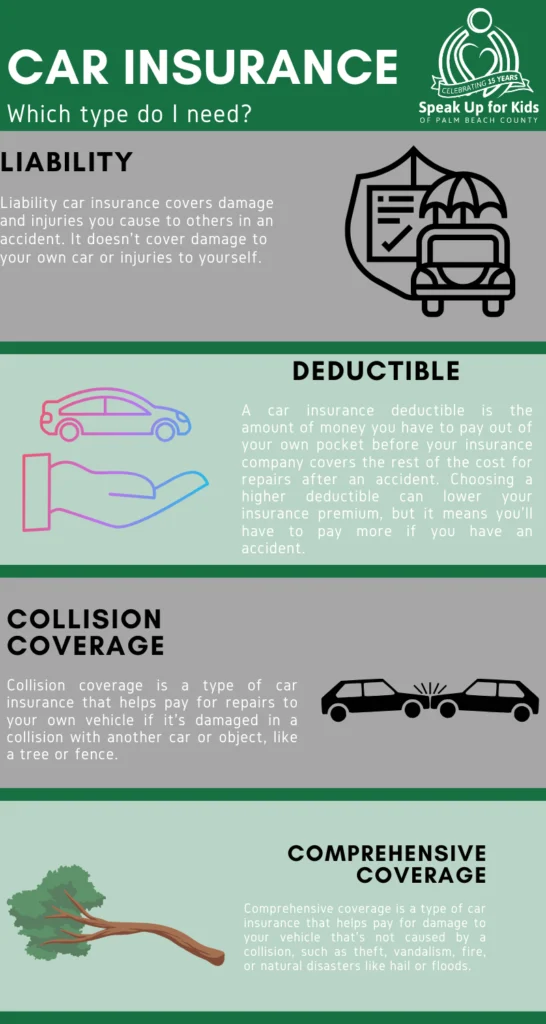
Final purchase decision and delivery is the moment to confirm every detail before signing. Review the purchase contract for accuracy, including the final agreed price, destination charges, taxes, and any added fees or optional packages. Ensure the vehicle identification number on the contract matches the car and that warranty terms, maintenance plans, and roadside assistance are clearly documented. At delivery, verify that all promised features and options are installed and that keys, owner manuals, and any virtual account access are provided. Inspect the exterior and interior one final time for new damages and confirm the tire tread and brakes meet acceptable levels. Schedule any required service appointments and set up your insurance coverage to begin on the day of delivery. Maintain a detailed record of all documents, quotes, and communications, and organize a post-purchase plan for maintenance, tire rotations, and software updates. If you have questions, do not hesitate to pause the process and ask for written explanations or revised quotes. After you take possession, implement the ownership routine: track fuel or energy use, set maintenance reminders, register the vehicle, and establish a regular inspection cadence. If you want to continue learning, explore related guides on model year considerations, extended warranties, insurance cost factors, maintenance plans, gap coverage, and lease end options to strengthen your understanding and comparison framework across future purchases.