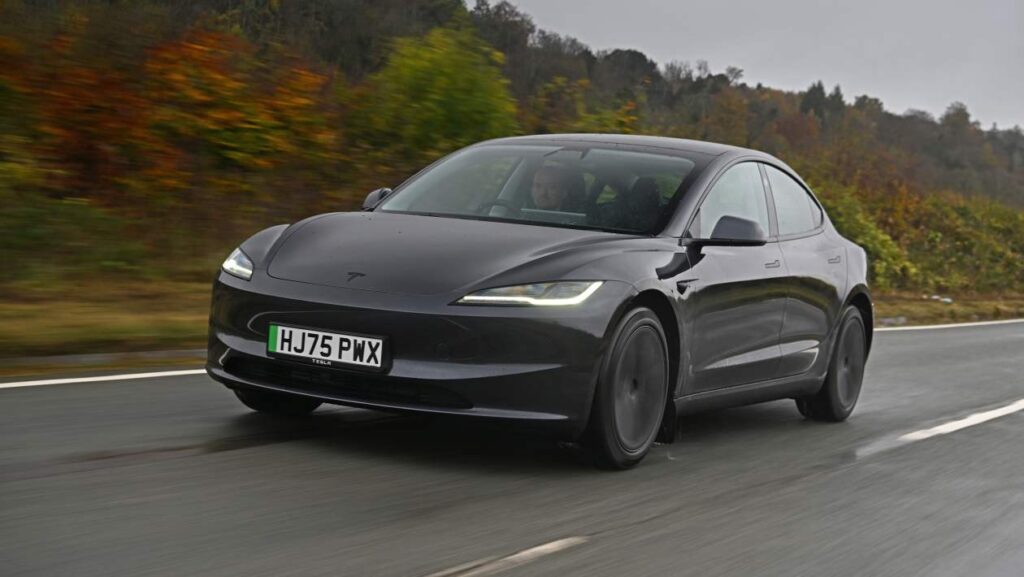
This buyer-research article evaluates the 2026 Tesla Model 3 with a complete, evidence-based lens, examining model-year changes, trims, powertrains, driving feel, interior quality, safety and tech, efficiency, reliability signals, maintenance, warranty, ownership costs, and practical alternatives.
Because year-to-year changes can reshape features, availability, and warranty terms, this review stresses careful verification with official sources. It flags where independent testing and owner feedback diverge from manufacturer claims and notes that safety and efficiency data can vary by trim, software version, and regional specifications. Users should confirm current options, package contents, and applicable incentives before committing.
Model year and trims
Powertrain choices and performance characteristics can vary by year and region, and Tesla often revises incentives and options via software or hardware changes. The Model 3 typically offers different drive configurations and battery packages that affect acceleration, handling, and efficiency. Confirm the exact trim, motor layout, and battery option for your market before purchase.
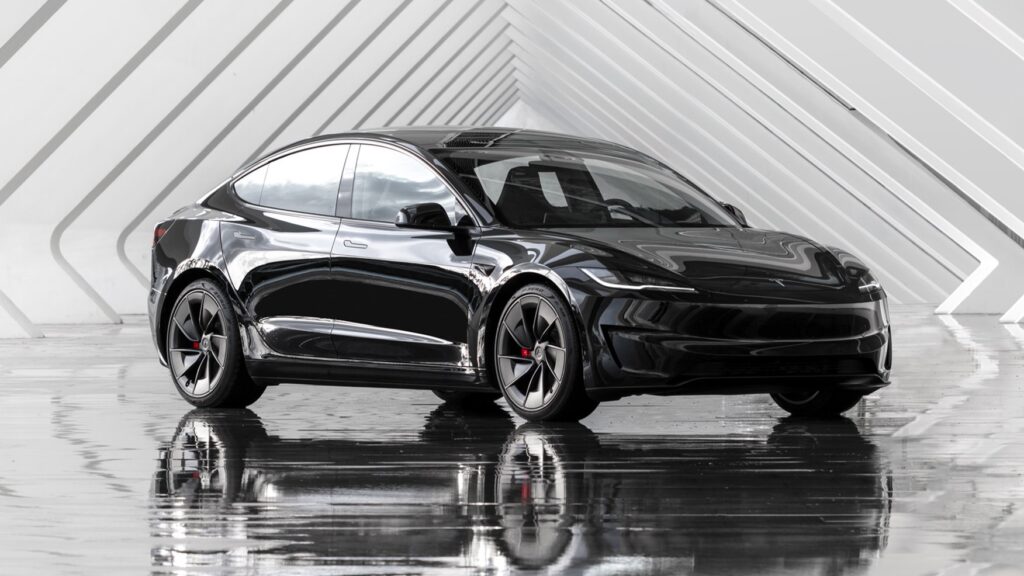
From behind the wheel, the Model 3 emphasizes direct steering feel, linear throttle response, and strong regenerative braking, with ride comfort that varies by wheel size and suspension tuning. Real-world performance hinges on battery state, tire condition, and weather, while Tesla's software updates can modify acceleration feel, efficiency, and driving modes. Expect quiet, predictable handling on urban roads and highways.
Interior and cabin ergonomics
Inside, the Model 3 uses a minimalist layout dominated by a large central touchscreen, with a seating position many riders find comfortable for longer trips. Material quality and finish can vary by trim and build, and cabin noise depends on road texture and tire choice. Front seats typically offer good support, while rear space is adequate for adults on shorter journeys.
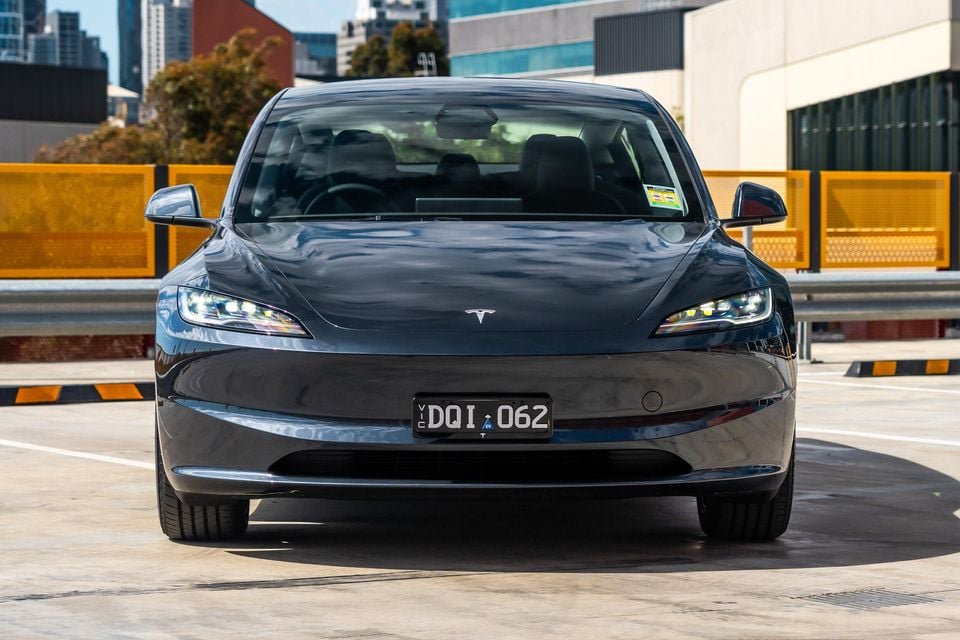
Safety and driver-assistance technologies are a central selling point, with the manufacturer presenting a suite of features designed to aid driving. Independent safety agency results and owner experiences should be consulted for verification, as ratings and performance can differ by trim, software version, and region. Understand the availability and limits of advanced features, and verify regional requirements for updates and monitoring systems. Always confirm the latest software version and hardware configuration before finalizing a purchase.
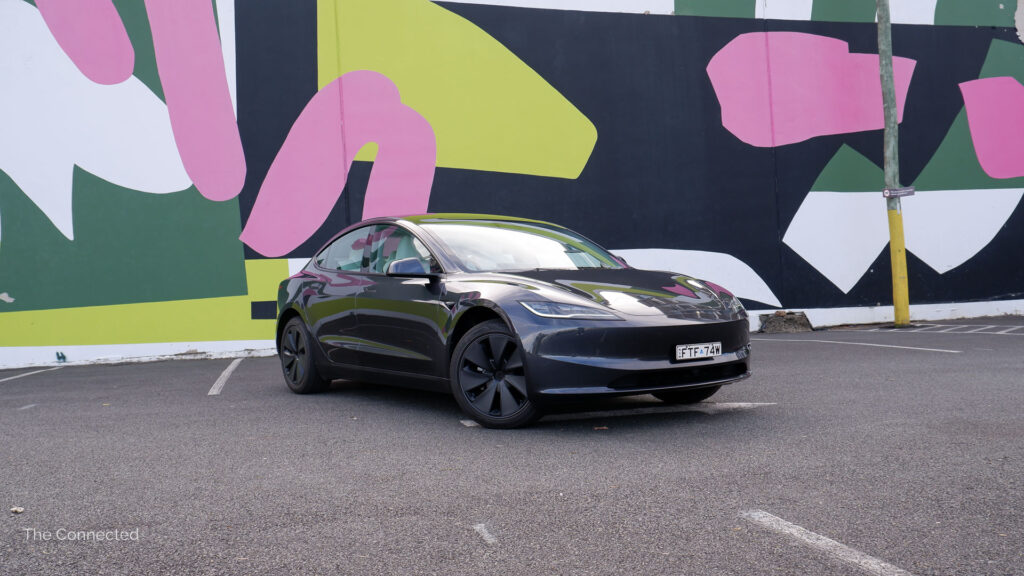
Reliability evidence for the Model 3 is mixed across sources, with owner surveys and third party studies reporting a range of experiences as vehicles age. Maintenance for EVs typically centers on battery health, thermal management, software updates, and service intervals, with costs that vary by usage and local energy rates. Tesla warranty terms and service plans should be reviewed and compared with alternatives; verify coverage length and what is included. In selecting alternatives, consider other compact EVs and mainstream sedans with documented reliability and support networks.