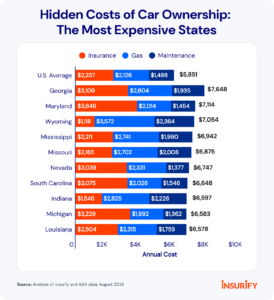
Car Ownership Cost Guide provides a durable reference for the true costs of owning a vehicle, from purchase and financing to insurance, fuel, maintenance, and depreciation. It is written to remain relevant across models and years, helping readers plan confidently.
This pillar resource collects the fundamental cost factors that touch every ownership decision. It explains how upfront expenses, ongoing costs, and depreciation interact over the life of a vehicle. It avoids time sensitive pricing and focuses on enduring decision criteria. Readers can use it to compare vehicles, plan long term, and decide whether buying or leasing makes sense.
Total cost of ownership is more informative than sticker price alone. It includes upfront taxes and fees, financing costs, insurance, fuel or energy, routine maintenance, tires, and occasional repairs. Reliability and resale value also shape how costly a model becomes over time. By separating price from performance and risk, you can see tradeoffs clearly.
Car Ownership Cost Guide
To apply this guide, start by defining how you will use the vehicle and for how long you expect to own it. Build a personal ownership budget that includes an upfront payment, monthly payments, and estimated annual costs for fuel, maintenance, insurance, and registration. Then create a simple comparison model that tracks upfront costs, ongoing expenses, and projected depreciation for each candidate. The model will help you see which combination of price, financing terms, and reliability best fits your situation.
Core Cost Categories
Depreciation, financing, insurance, fuel or electricity, maintenance, tires, taxes and registration, and occasional repairs are the core cost categories. Each category matters for different readers depending on their vehicle choice and usage. Depreciation is often a major expense over time, while insurance can vary widely by location and driving history. When you assess a model, forecast how each category may behave and use that to build a clear decision framework. Related topics you may explore include maintenance schedules, insurance premium basics, depreciation and resale value, financing options, fuel economy comparisons, tire costs, warranty coverage, recall risk considerations, used vs new buying guides, and total cost of ownership calculators.

Before you commit to a vehicle, gather a realistic budget, reflect on your typical monthly mileage, and consider how you will use the car day to day. Decide how long you plan to keep the vehicle and what payment method you prefer, whether cash, loan, or lease. This context will help you choose models, trims, and financing terms with the right balance of upfront cost and long term affordability.

When comparing candidates, use a total cost of ownership approach rather than sticker price alone. Include upfront costs (down payment, taxes, fees), ongoing costs (fuel, maintenance, insurance), and depreciation on resale. Consider reliability, recalls, and maintenance predictability; factor in regional differences in taxes or insurance.
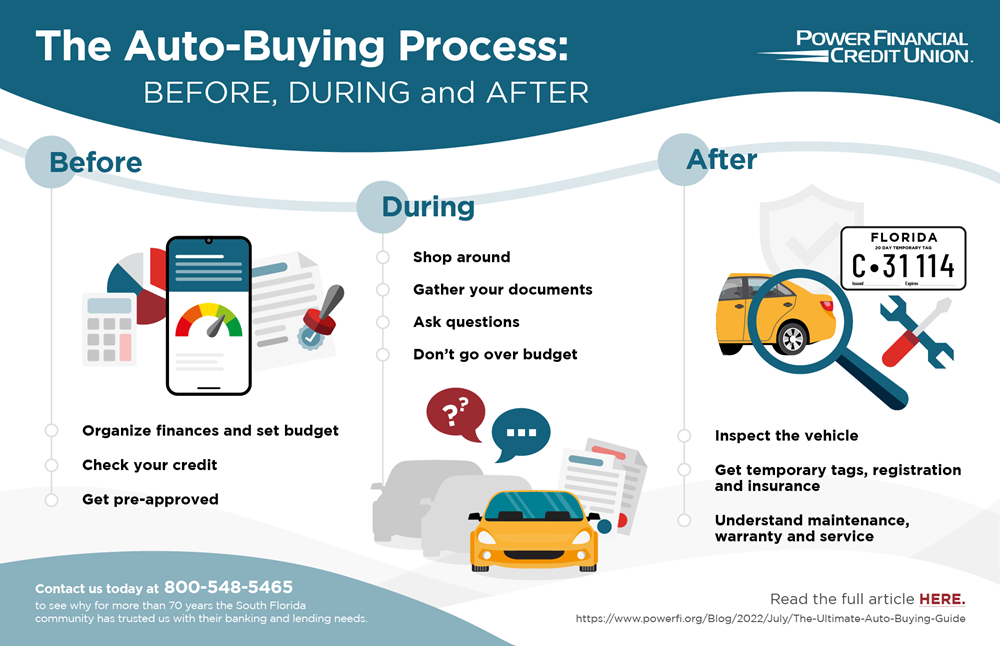
Car Ownership Cost Guide summarises the main buying considerations and provides a practical framework you can reuse for any vehicle decision. By focusing on the full cost of ownership, shoppers reduce risk and avoid surprising expenses down the road. This evergreen resource remains useful across model years and can be revisited anytime you compare new, used, or leased options.