How to Inspect a Used Car should guide every shopper. A thorough pre-purchase review reduces risk, avoids costly surprises, and improves negotiating leverage. This article explains what to research and how to evaluate essential factors before you buy.
Key research factors
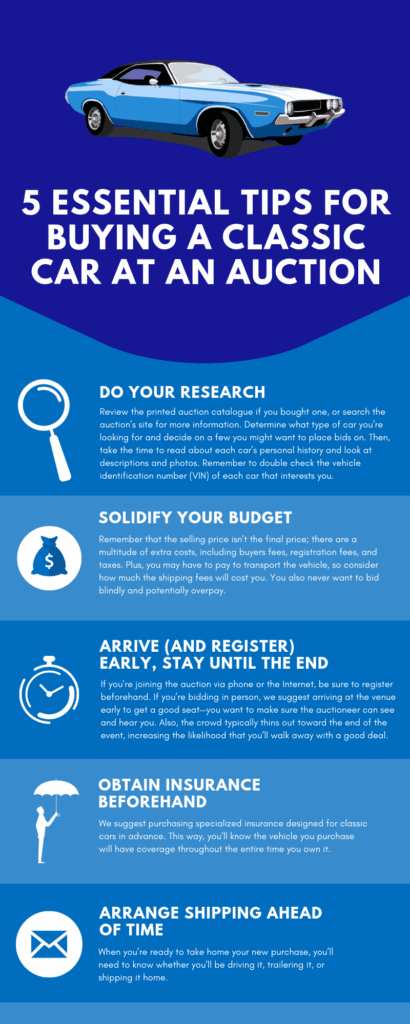
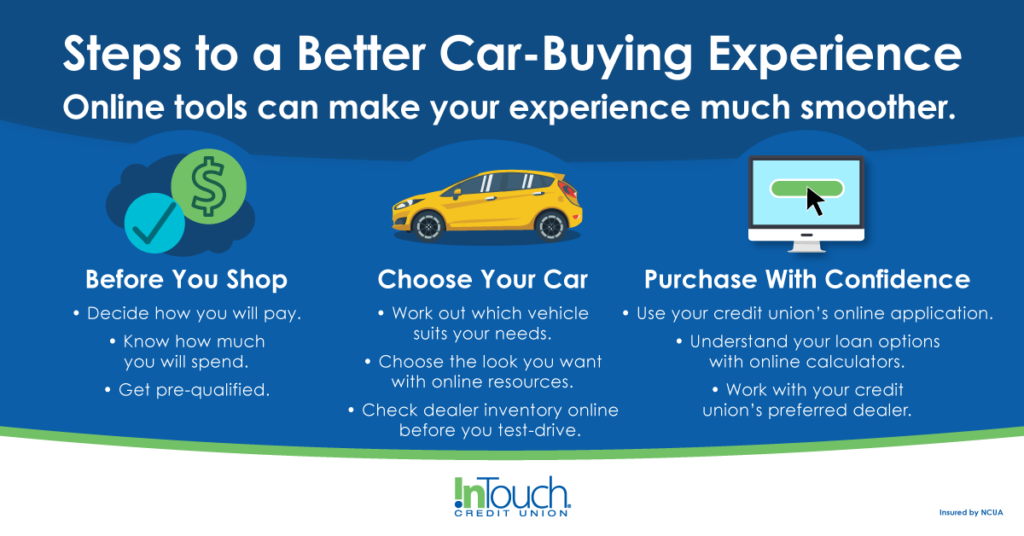
Research-driven comparison is the backbone of a solid used-car purchase. Start with your needs: vehicle type, budget, mileage tolerance, and must-have features. Then build a research plan: identify reliable model years, trim levels, and powertrains; review known reliability issues and common failure points for the chosen models; check owner-satisfaction data and warranty coverage. Gather data from multiple sources: manufacturer sites, consumer publications, owner forums, and third-party history reports that reveal title status, number of owners, service history, accidents, and recalls. Remember that a vehicle history report is a starting point, not a guarantee; it should be cross-checked with service receipts, inspection notes, and the vehicle itself. If you are trading in a vehicle, understand its actual trade-in value and how selling price interacts with your financing. The goal is to compare apples to apples: same trim, similar miles, similar equipment, and similar condition. With the research foundation in place, your inspection becomes a targeted verification exercise rather than a random walk around the car. Also, map out alternatives to avoid mental bias; consider certified pre-owned programs, newer used examples with extended warranties, and even different brands that meet your daily needs. Finally, prepare a list of questions for the seller and a simple scoring rubric to rate each candidate on critical factors such as structural integrity, maintenance history, and total cost of ownership. To reinforce the framework, keep a running document noting discrepancies, receipts, and test-drive impressions. This approach helps you prioritize issues that matter most to you, rather than chasing every minor cosmetic flaw. For readers who want to go deeper, our related guides cover how to read a vehicle history report, what a professional pre-purchase inspection includes, and how to interpret maintenance records for reliability.
What to compare
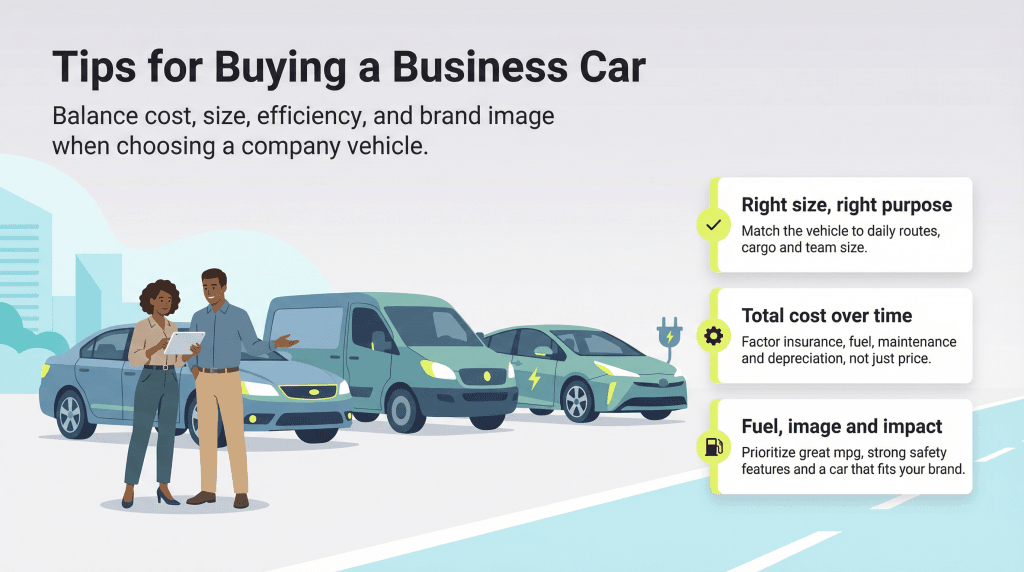
How to compare vehicles, offers, financing terms, insurance, and ownership costs hinges on consistency and clarity. Start by listing the top candidates and ensuring you compare the same criteria for each: model year, trim, miles, overall condition, and equipment levels. Then analyze the asking price or advertised price in relation to the market value, holding costs, and the vehicle’s history. When evaluating offers, consider the total price, not just the sticker or monthly payment; request a full breakdown that includes taxes, title, registration, and any dealer fees. For financing, gather quotes from banks, credit unions, and the dealer, and compare APRs, loan terms, down payments, and penalties for early payoff. Insurance costs vary by driver profile and the vehicle, so obtain quotes before committing to a specific model and confirm what coverage is needed. Ownership costs go beyond the purchase price: expected maintenance intervals, tires, brakes, battery life, expected repair costs, fuel or electricity efficiency, and depreciation. Create a simple five-year ownership model for each option, projecting annual costs and the residual value. Consider alternatives such as certified pre-owned programs, extended warranties, or leasing if appropriate for your budget and usage. Weigh the trade-offs between immediate affordability and long-term reliability, factoring in risk tolerance and time horizon. If a model line has known maintenance quirks, estimate potential repair costs and the availability of service in your area. Also, look at the seller's incentives and how they affect total cost of ownership, and remember that some deals rely on optional add-ons that may not be essential. For a thorough comparison, document your findings in a side-by-side rubric and revisit it after a test drive, when you can assess how the car feels in real-world conditions. Readers should use this framework across dealer inventories, independent sellers, and certified pre-owned programs to avoid narrow conclusions and to keep options open.
Inspection steps and checklists. A careful inspection has defined stages: around the car, under the hood, inside the cabin, and during a test drive. Begin with a walkaround: look for mismatched paint, uneven gaps, or signs of body repair; check the frame rails, bumper alignment, and door hinges; inspect tread depth and spare tire condition; verify the VIN on the dash, door jamb, and engine. Move to the engine bay: check fluid levels, hoses for cracks, belts for wear, radiator condition, and leaks at the oil pan, valve cover, or transmission lines. Look for signs of prior overheating, such as warped components or discolored fluid. In the interior, test all electronics, HVAC, infotainment, power seats, windows, and mirrors; inspect for water stains or odors that suggest leaks. On the road, listen for unusual noises, evaluate braking feel, acceleration, transmission shifts, and steering response; note any pulling or vibrations; test the suspension over imperfections. Bring basic tools: a flashlight, a magnet to detect filler, a torque wrench to check lug nut tightness, and a scanner to read check-engine codes if you have access. If you encounter rust, soft spots, or fluid leaks, document them and seek professional assessment. After the test drive, request service records and dealer invoices; ask for any unresolved recalls and whether they were remedied. Finally, arrange a professional pre-purchase inspection with a trusted mechanic; a third-party inspection can confirm or dispute your findings and often costs less than the unexpected repairs that can arise after purchase. If you plan to buy from a private seller, factor in potential additional costs such as a new registration, minor repairs, and the lack of factory warranty. Our checklist can be adapted to any price range and vehicle type; the core idea is to verify condition before money changes hands.

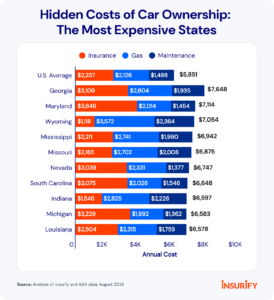
Ownership costs and alternatives. Ownership costs extend far beyond the purchase price. Depreciation is the largest cost of many vehicles; some brands hold value better than others, so consider resale prospects when evaluating a car. Maintenance costs vary with age and design complexity, so price in expected service intervals, typical parts replacement, and labor rates in your region. Fuel economy or energy efficiency directly affects monthly costs, especially if you drive a lot. Insurance premiums reflect the car's safety record, theft risk, and repair costs, so get multiple quotes for the models you are considering. Taxes, registration fees, and potential incentives or rebates influence the up-front cost but may not impact long-term affordability. If you are weighing alternatives, consider certified pre-owned programs that offer inspection standards, limited warranties, and roadside assistance, versus non-certified used cars that may have lower upfront prices but higher risk. Extended warranty options can provide peace of mind, but read the fine print for coverage limits, exclusions, and transferability. Leasing a newer model could be attractive if you prefer lower payments and always having the latest tech, but may include mileage restrictions. For each candidate, build a five- to seven-year ownership framework that captures depreciation, maintenance, insurance, fuel, and financing, then compare the totals. In practice, you might favor a slightly higher upfront price for a car with a longer warranty or lower expected repair costs, depending on your risk tolerance. Ask sellers about maintenance gaps and whether wear items have been replaced; confirm tire thickness and brake life, since these major components can dramatically affect ownership costs. This stage is designed to produce a clear, numbers-based comparison rather than a subjective impression, helping you decide which path aligns with your budget and risk tolerance.
Conclusion and decision framework. To summarize how to approach inspecting a used car, follow these steps: define needs and budget; collect model data and verify history; create a side-by-side cost model; perform a thorough inspection with a checklist; take a structured test drive and note performance; negotiate with a clear target price and a walk-away threshold; review all documents, including title, service records, and any recalls; and decide between alternatives that best fit your situation. Use a buyer checklist that includes verifying the VIN matches on all documents, requesting a professional pre-purchase inspection if possible, obtaining a vehicle history report, and cross-checking maintenance records for reliability. Inspect for leaks, rust, accident damage, frame issues, and wear; test drive in different conditions; confirm maintenance and reliability for the specific model; compare total cost of ownership across all options; and ensure financing terms and insurance quotes align with your budget. A disciplined decision rubric helps maintain objectivity and avoid impulse buys. With the inspection and cost analysis complete, you can move forward with confidence, knowing you made an informed choice balancing risk, reliability, and value. For further depth, explore our guides on pre-purchase inspections, test-drive checklists, and ownership-cost calculators.