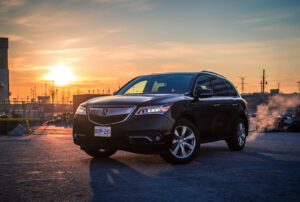
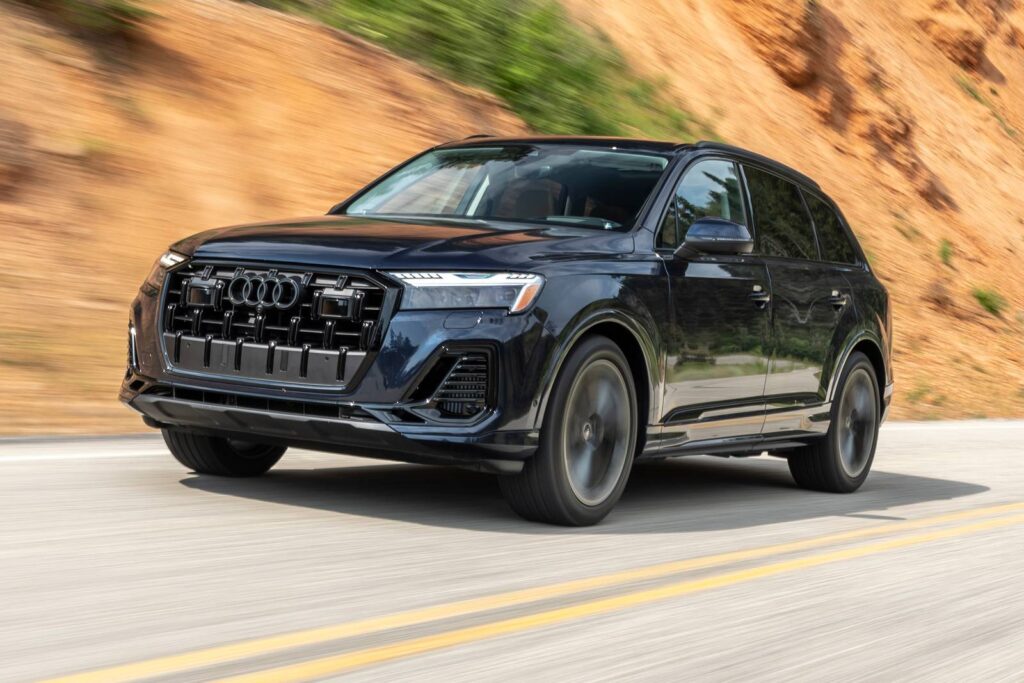
The 2026 Audi Q7 refines the brand's midsize SUV formula with calmer on-street dynamics, a quiet cabin, and a broader tech suite. For city driving, adaptive suspension and precise steering matter most, while the price ladder and ownership costs should be weighed against flexible seating and cargo versatility.
New for 2026, Audi touts updates aimed at urban use, including richer driver-assistance features, a more intuitive infotainment flow, and subtle chassis tweaks for smoother city ride. These claims are worth confirming with local trim specs and a test drive, since availability can vary by market and trim. In practice, the Q7 remains comfortable in stop-and-go and offers predictable throttle delivery, enabling confident merging and lane changes in dense traffic.
City-focused updates
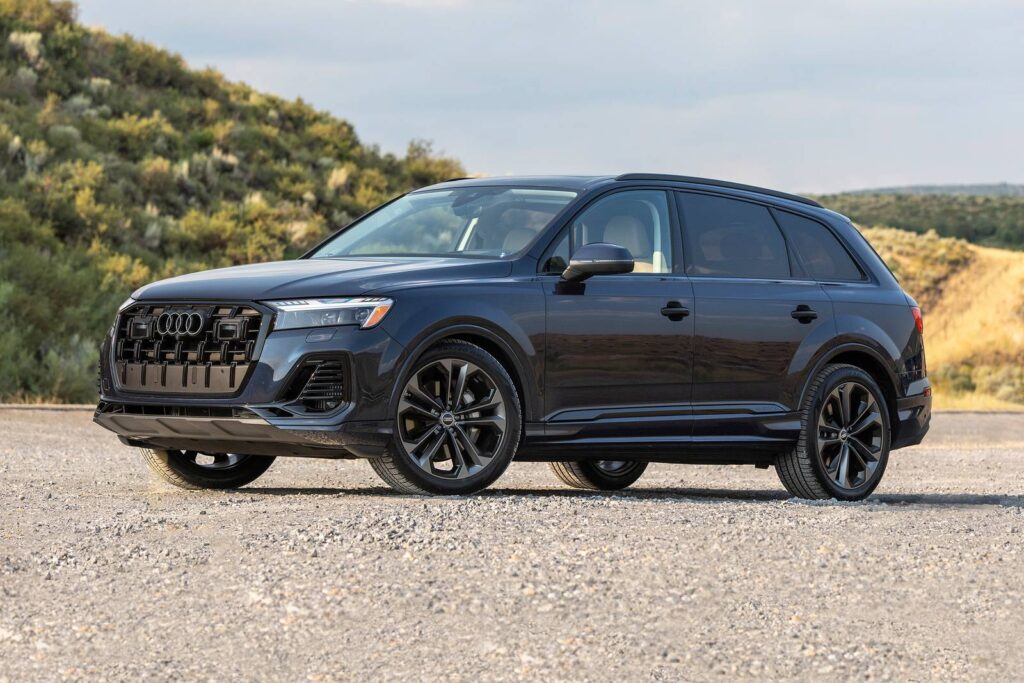
In daily urban use, the Q7 prioritizes ride comfort and controllability. The adaptive suspension dampens ripples from rough pavement, while steering offers crisp, manageable feel at typical city speeds. Transmission behavior is smooth in traffic and predictable when accelerating from a stop. The overall result is confidence behind the wheel during parking maneuvers and quick lane changes in congested streets.
Inside, comfort centers on quiet ambience, supportive seating, and practical layouts. Front chairs support long stints without fatigue, and the tri-zone climate control keeps passengers comfortable in varying conditions. While rear headroom is adequate for most adults, very tall travelers may feel a pinch on longer trips. Noise insulation helps the Q7 feel more upscale at urban speeds than some rivals in the segment.
Interior and tech
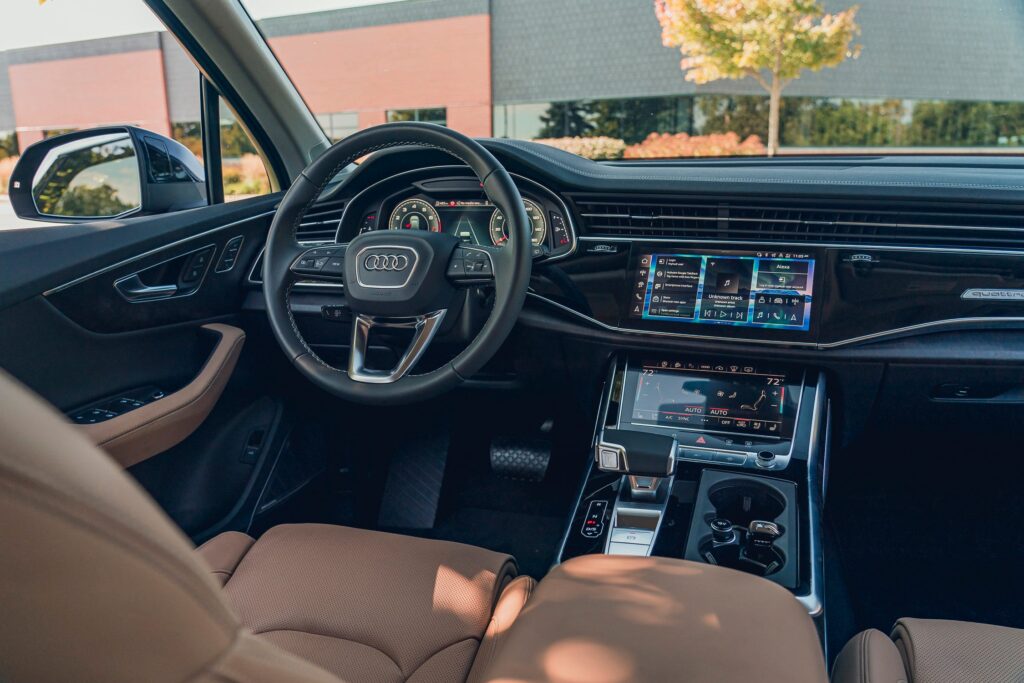
Tech offerings in 2026 are oriented to ease of use and integration with city routines. A large touchscreen, digital gauge cluster, and wireless charging aim to minimize clutter, while voice controls help keep eyes on the road. Audi’s driver assistance and safety systems are typically extensive, but availability depends on trim and region. For city dwellers, features like parking assist and camera views are particularly helpful.
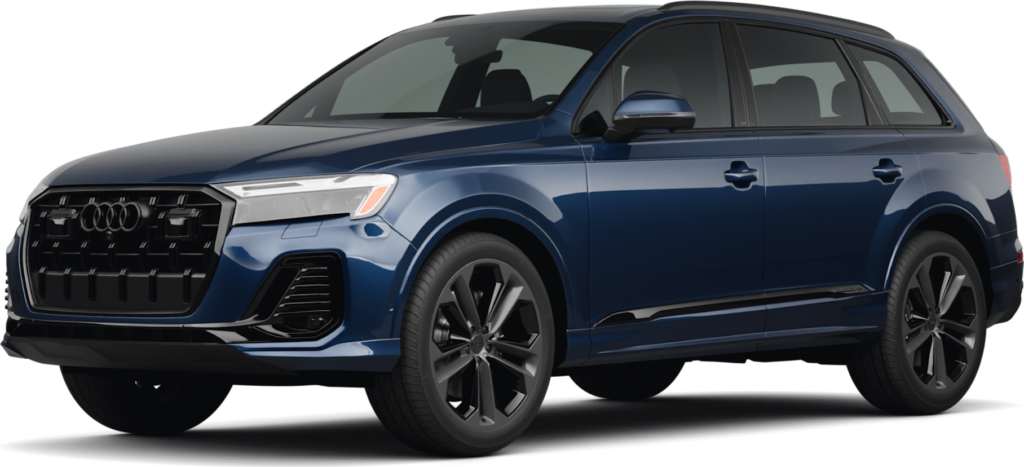
Utility remains a strong point, with flexible seating layouts and a practical cargo area that expands with the third row folded. In many configurations the third row is usable by adults for short trips, while cargo capacity quickly increases with seating removed. Power-folding seats and a hands-free liftgate add convenience in city garages and launching errands with shopping bags.
Safety, efficiency, and ownership implications form a practical triad for decision-making. Audi positions the Q7 as a family-friendly luxury SUV with a suite of active safety tech and configurable trims that affect running costs. Independent reliability data and owner feedback vary by year and market, so verification is essential. When comparing trims against rivals, the Q7 often balances interior quality and tech with moderate maintenance expectations, making it suitable for urban families and business users who value refinement and versatility.