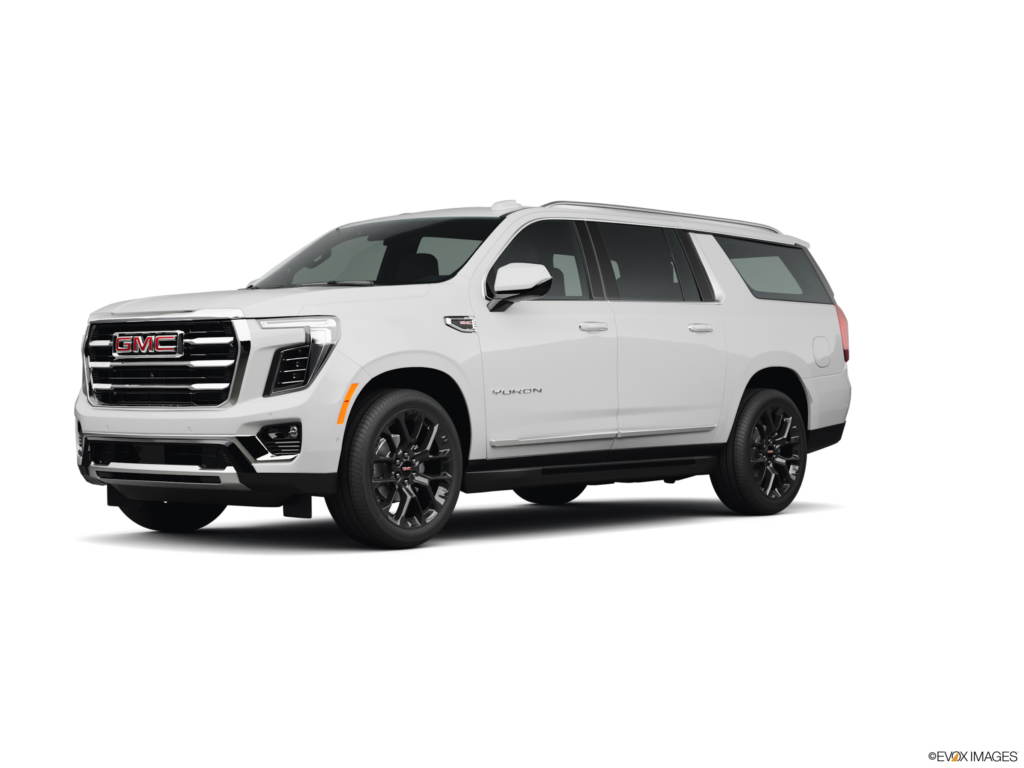
For shoppers who need three-row seating, a cavernous cargo area, and confident highway performance, the 2026 GMC Yukon XL stands out. It delivers on interior space and tech, but practical trade-offs in city driving and fuel use are real. This review blends GM's claims, independent tests, and owner input to offer a balanced, real-world view.
On daily commutes the Yukon XL feels more like a rolling living room than a compact sedan. The long wheelbase smooths potholes into small hums rather than jarring bumps, and the front seats offer all-day support. The engine can feel eager in open lanes, but you’ll notice the crawl through dense traffic tests the SUV’s size and timing.
Key strengths
Highway driving is where the Yukon XL shows its size as an advantage and a trade-off. On open stretches it tracks steadily with light steering effort and a quiet cabin, making long trips fatigue-free. The trade-off is fuel usage; GM publishes estimates, but real-world results depend on load, trim, and terrain, so expect consumption to drift from the official numbers.
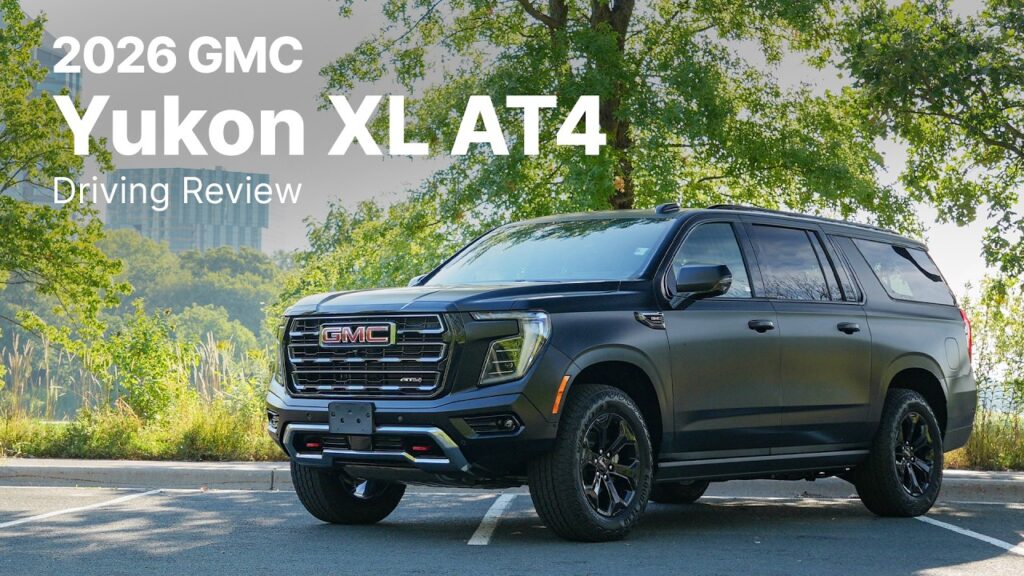
Parking is the Yukon XL's most awkward task in urban environments. The turning circle is large, and blind spots are sizable due to the long tail. Helpful technology like surround-view cameras, sensors, and automated parking aids can reduce stress, but you still need planning, a patient approach, and a willingness to use a two-step parking maneuver.
Space and practicality
Inside, the Yukon XL delivers generous passenger space and flexible cargo options. Second-row captain’s chairs are comfortable for long trips, and third-row access is straightforward with power folding seats. When you fold the seats flat, the cargo floor becomes nearly level, making it easier to load bulky gear or boxes without a fight.
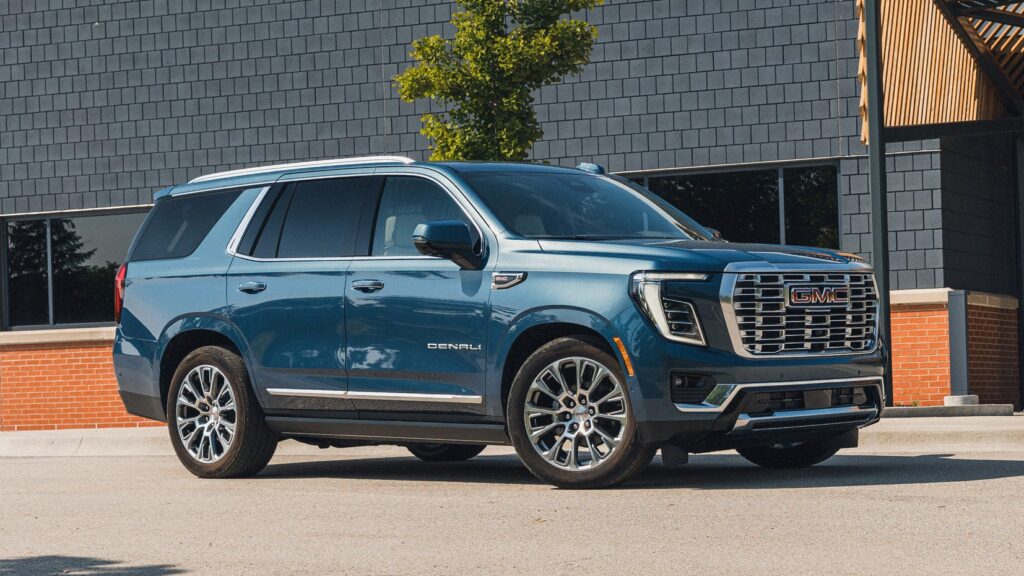
Technology and safety features are a big part of ownership. The Yukon XL offers large screens, smartphone integration, and a suite of driver-assist options. Some features depend on trim level or packages, and independent safety agencies note the importance of ongoing software updates. Owner feedback tends to praise the cabin's usability but sometimes flags calibration of lane-keeping or adaptive cruise.
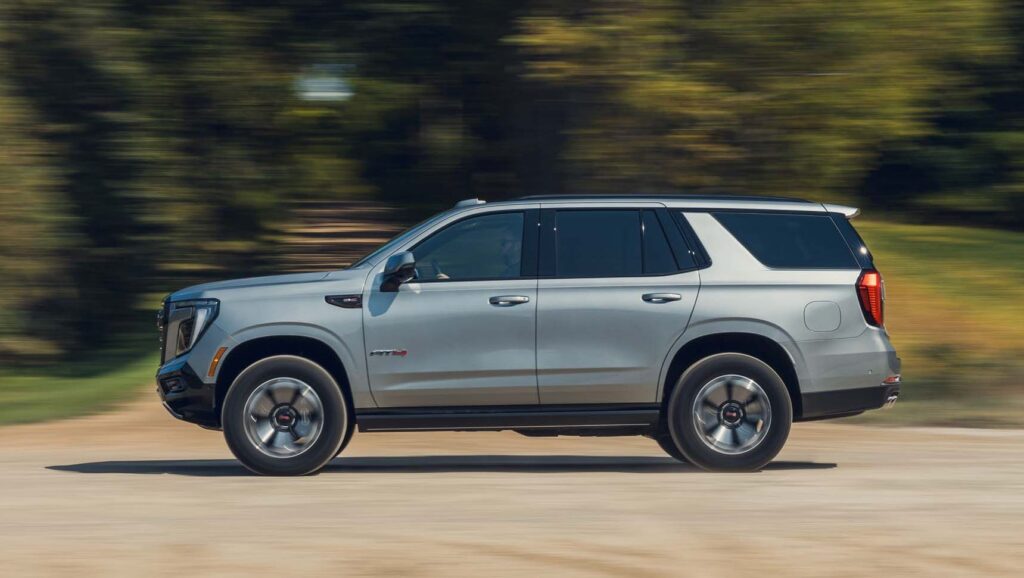
Ownership and reliability context emphasizes maintenance and reliability. From a maintenance and reliability perspective, owners should track routine service, tire wear, and software updates. GM's warranties and a broad dealer network provide coverage, but independent sources vary in reliability reports for large SUVs. Because the Yukon XL is a heavy, high-demand vehicle, verify maintenance history and review owner forums for recurring concerns before committing.