
Complete review of the 2026 Tesla Model Y, focused on its strongest traits, trade-offs, and real use cases. This analysis emphasizes driving feel, comfort, interior practicality, technology, safety, efficiency, and ownership while noting credible alternatives and what should be verified with authoritative sources.
Tesla’s Model Y delivers strong acceleration, predictable steering, and a quiet highway ride for its class. The driving feel is augmented by precise pedal response and strong regenerative braking, though it can be sensitive in low-speed conditions. The interior revolves around a large touchscreen and streamlined controls, which helps the cabin feel simple yet efficient. Overall, these traits anchor its strongest value while inviting practical trade-offs.
Interior space is flexible but not class-leading; second-row legroom can feel tight for taller adults, and cargo space is reasonable but not outstanding when rear seats are up. Cabin materials and fit are generally solid for a mass-market EV, though some owners report occasional rattles or seals that require adjustment. The minimalist design can feel spare to some buyers, especially if they want traditional knobs or more tactile controls.
Strongest traits
Technology and software define the Model Y’s user experience. The large central screen is the focus for vehicle settings, navigation, and media, while over-the-air updates can add features over time. Driver assistance features are present, but buyers should understand their limitations and review the latest safety agency notes. The ecosystem encourages a connected ownership model, albeit with ongoing software reliability questions that may affect day-to-day use.
Practical trade-offs
Efficiency and ownership costs are practical considerations. Real-world range varies with climate, speed, and load, and charging infrastructure can influence trip planning. Battery degradation should be tracked over time, and maintenance intervals differ from gasoline vehicles. Tesla’s service model and warranty offerings are part of ownership decisions, and potential buyers should verify coverage in their region and compare with other brands.
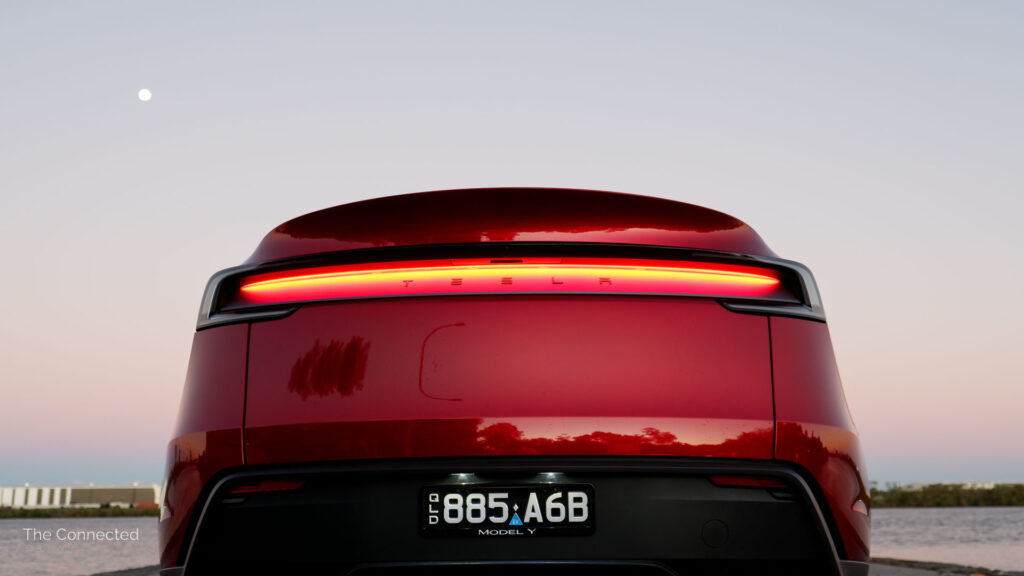
Safety features and agency notes are a central part of the Model Y discussion. The vehicle offers active safety systems, automated braking, and lane-keeping assists, reported by owners and observed in some tests. Independent data and safety agencies may vary by region and trim. It’s important to distinguish manufacturer-promoted capabilities from verified performance and to consult the latest official tallies.
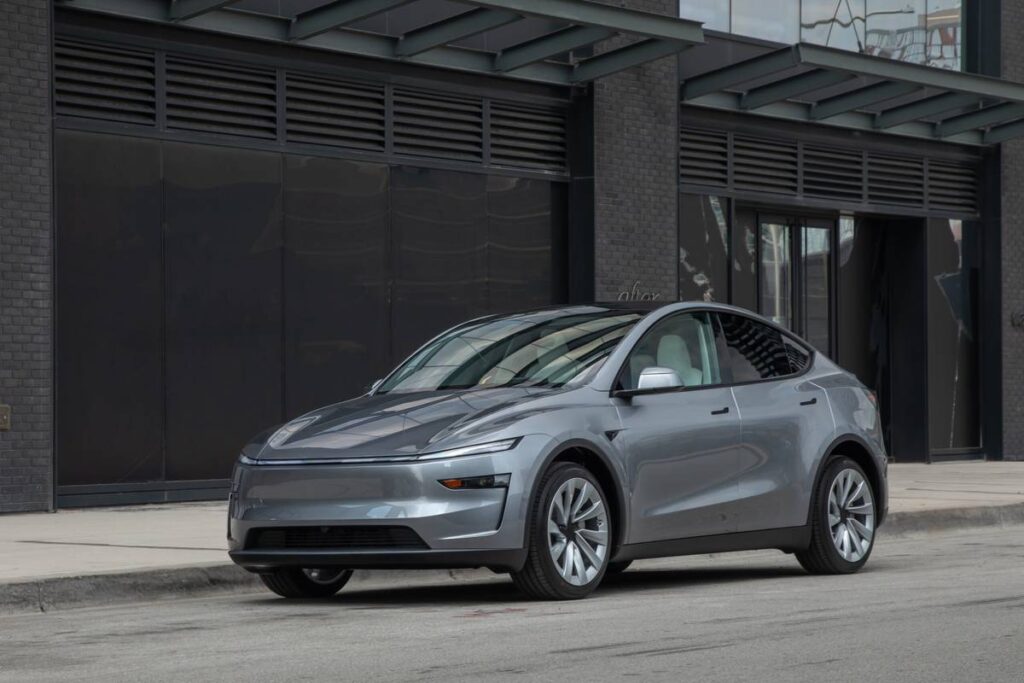
Comfort and interior quality are mixed signals. The ride is typically smooth, with low wind and road noise for the category, yet some supplies of plastics or door seals can appear less refined than premium rivals. The seats are supportive for many trips, and the rear seats fold flat for utility. The interior layout favors practicality over traditional luxury cues, which suits some buyers but not others.
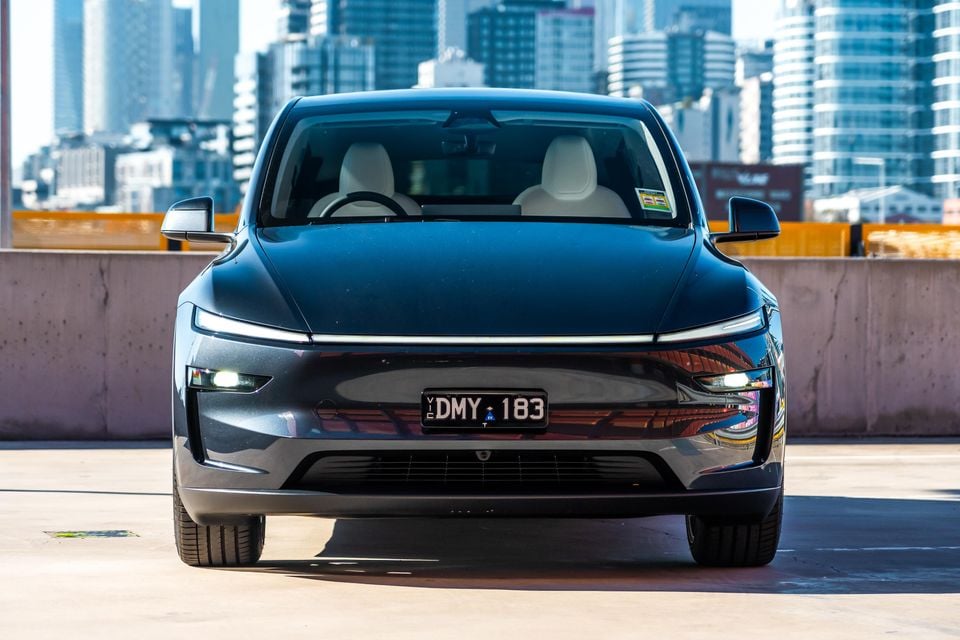
Alternatives to the Model Y include compact SUVs and other EV crossovers from mainstream brands. For buyers who want more traditional interior cues, more refined ride, or a larger charging network depending on region, there are non-Tesla options to compare. The Model Y remains a practical, technology-forward choice for those who value efficiency and software-driven updates, yet it is wise to verify fit with real-world needs.


